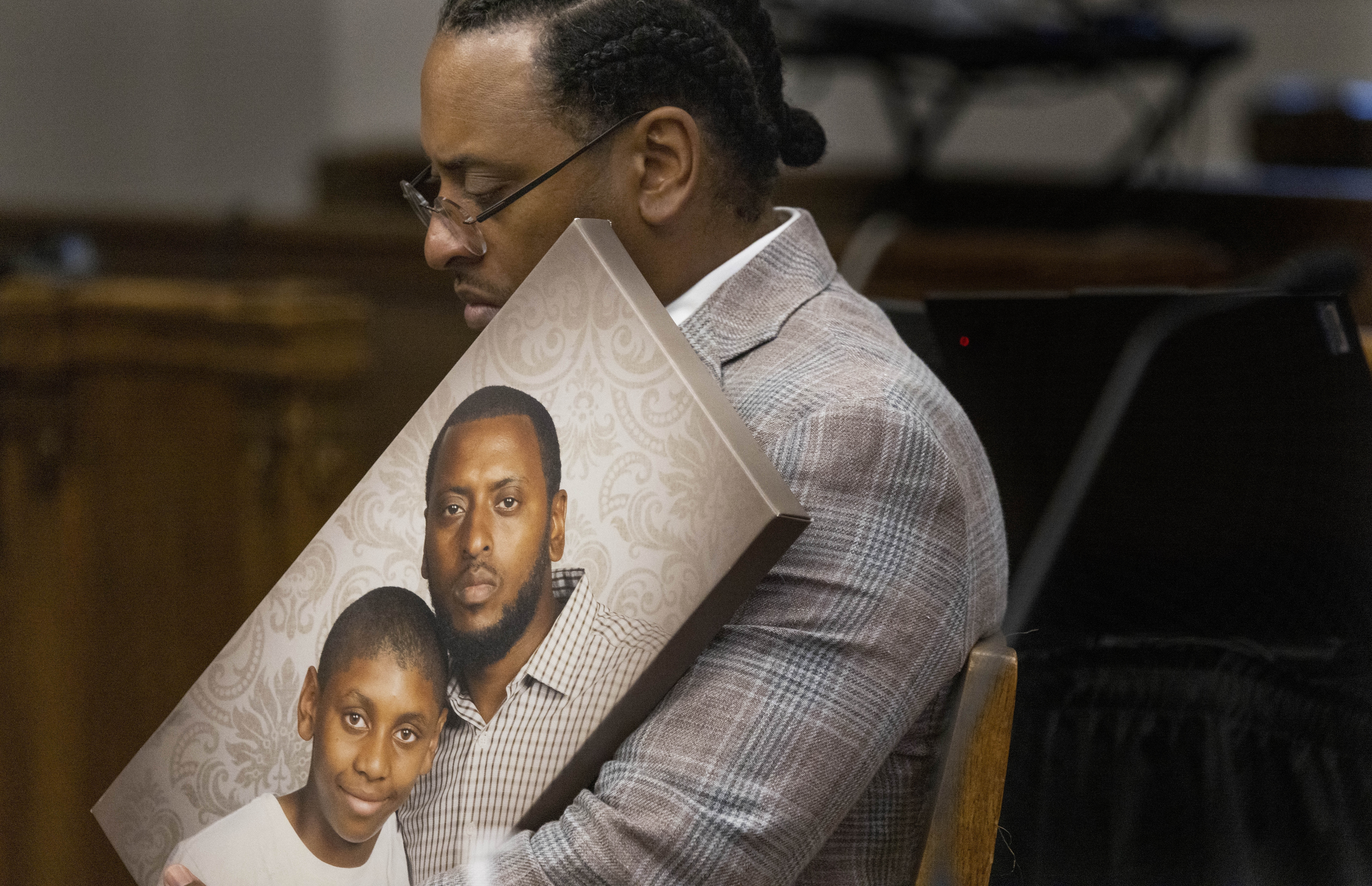
A suburban American city is grappling with renewed calls for police transparency after an officer-involved shooting claimed the life of a 38-year-old Black man. The incident in Madison, Wisconsin, has put the spotlight squarely back on the contentious issue of police body cameras, a technology not widely adopted by the local force.
The shooting, which occurred last week, has prompted community outrage and demands for immediate policy changes, with many questioning why a modern police department in a major US city still operates without universal body camera use. Critics argue that the absence of footage hinders investigations, erodes public trust, and deprives communities of a vital tool for accountability.
The Catalytic Event in Madison
The details surrounding the shooting remain under investigation, but what is clear is the profound impact it has had on the Madison community. The victim, whose identity has not yet been fully released by authorities pending family notification, was fatally shot during an encounter with police officers. As is often the case in such incidents, conflicting accounts have emerged from witnesses and law enforcement, underscoring the critical need for objective evidence that body cameras can provide. NPR National reported that the incident has led to protests and vigils, with community leaders expressing deep frustration over the lack of progress on police reform in their city.
A Patchwork of Policies Across the US
While many Australian police forces, including those in New South Wales and Victoria, have made significant strides in body camera implementation, the situation in the United States remains a fragmented landscape. Some major cities and states have embraced the technology, often after high-profile incidents sparked public outcry. However, countless smaller departments and even some larger ones, like Madison, have resisted, citing a range of concerns from privacy issues and data storage costs to officer apprehension. The cost of a comprehensive body camera program can be substantial, with initial outlays for cameras, data storage, and personnel potentially running into millions of Australian dollars, depending on the size of the force.
Arguments For and Against Universal Adoption
Proponents of body cameras argue that they offer unparalleled benefits, including increased transparency, improved officer accountability, and a reduction in both citizen complaints and the use of force. They contend that footage can protect both officers from false accusations and citizens from misconduct. Furthermore, bodycam evidence can be crucial in court proceedings, providing an objective record of events. Conversely, opponents raise concerns about privacy – both for officers and the public – the potential for footage to be selectively released, and the significant financial burden of implementation and ongoing data management. There are also debates about when cameras should be activated and what protocols should govern their use and the release of footage to the public.
Renewed Push for Transparency
In the wake of the Madison shooting, local advocacy groups and civil rights organisations have intensified their lobbying efforts for universal body camera adoption. They are urging city officials and the police department to prioritise the issue, arguing that the social cost of not having cameras far outweighs any financial or logistical challenges. The incident serves as a stark reminder that despite years of national dialogue surrounding police reform, many communities are still waiting for tangible changes that foster greater trust and accountability between law enforcement and the public they serve. The pressure on Madison authorities to act swiftly and decisively is now immense, as the community demands answers and tangible steps towards preventing similar tragedies in the future.