Newly analysed video evidence has dramatically reshaped the understanding of what transpired the night Antonio Mays Jr., a 16-year-old Black teen, was fatally shot at a Seattle protest, revealing how he was tragically mistaken for a threat by those he sought to engage with.
An extensive 18-month investigation by US public broadcaster NPR National, meticulously poring over hours of previously unseen footage, has reconstructed the final moments of Mays Jr.'s life. The findings challenge the prevailing narrative, suggesting a confluence of panic, misinterpretation, and the chaotic environment of the Capitol Hill Occupied Protest (CHOP) zone contributed to the boy's untimely death.
Unravelling the Night's Chaos
The Capitol Hill Occupied Protest, or CHOP, emerged in June 2020 as a significant focal point for racial justice demonstrations in the wake of George Floyd's murder. Protesters established an autonomous zone in Seattle's Capitol Hill neighbourhood, creating a space for activism, community, and, at times, considerable tension. It was into this charged atmosphere that Antonio Mays Jr., a young man from California, arrived.
According to NPR National's investigation, Mays Jr. had travelled to Seattle with aspirations of joining the movement and contributing to the cause. However, the report indicates a series of misunderstandings began almost immediately upon his arrival at the protest zone on June 29, 2020. The teenager, unfamiliar with the internal dynamics and unspoken rules of CHOP, was seen by some as an outsider, his actions misconstrued in the high-stakes environment.
The Fatal Misinterpretation
The core of the NPR National report reveals how Mays Jr.'s attempts to engage with protesters were tragically misread. Eyewitness accounts and initial reports had been fragmented and often contradictory, making it difficult for investigators and the public to piece together a clear picture. However, the newly analysed video footage, stitched together from multiple sources, provides a minute-by-minute account.
Footage shows Mays Jr. in an altercation with a man inside the protest zone. This confrontation, initially appearing aggressive, was reportedly an attempt by Mays Jr. to de-escalate another situation or to recover property. Critically, during this scuffle, a gun Mays Jr. was carrying became visible. In the charged atmosphere of CHOP, where internal security and vigilance against external threats were paramount, the sight of a weapon sparked immediate alarm among other protesters.
NPR National reported that rather than being perceived as a victim or someone in distress, Mays Jr. was almost instantly branded a threat. The investigation highlights how the collective anxiety and heightened state of alert within the occupied zone led to a rapid escalation of fear, culminating in the belief that Mays Jr. was an aggressor posing a danger to the community. This perception proved to be a fatal miscalculation.
The Unfolding Tragedy and Aftermath
The video evidence indicates that following the sighting of his weapon, Mays Jr. was pursued and confronted by several individuals. It was during this chaotic chase that he was shot and killed. The investigation suggests that the shooting was not a premeditated act but rather the result of a panicked response by individuals who genuinely believed they were defending themselves and their community from a perceived assailant.
Seattle police initially struggled with their investigation due to a lack of cooperation from witnesses within CHOP and the complex nature of the autonomous zone. The absence of comprehensive video evidence at the time further hampered their efforts to establish a definitive timeline and motive. The new findings from NPR National cast the police's initial challenges in a new light, underscoring the difficulties of investigating within such a volatile and self-policing environment.
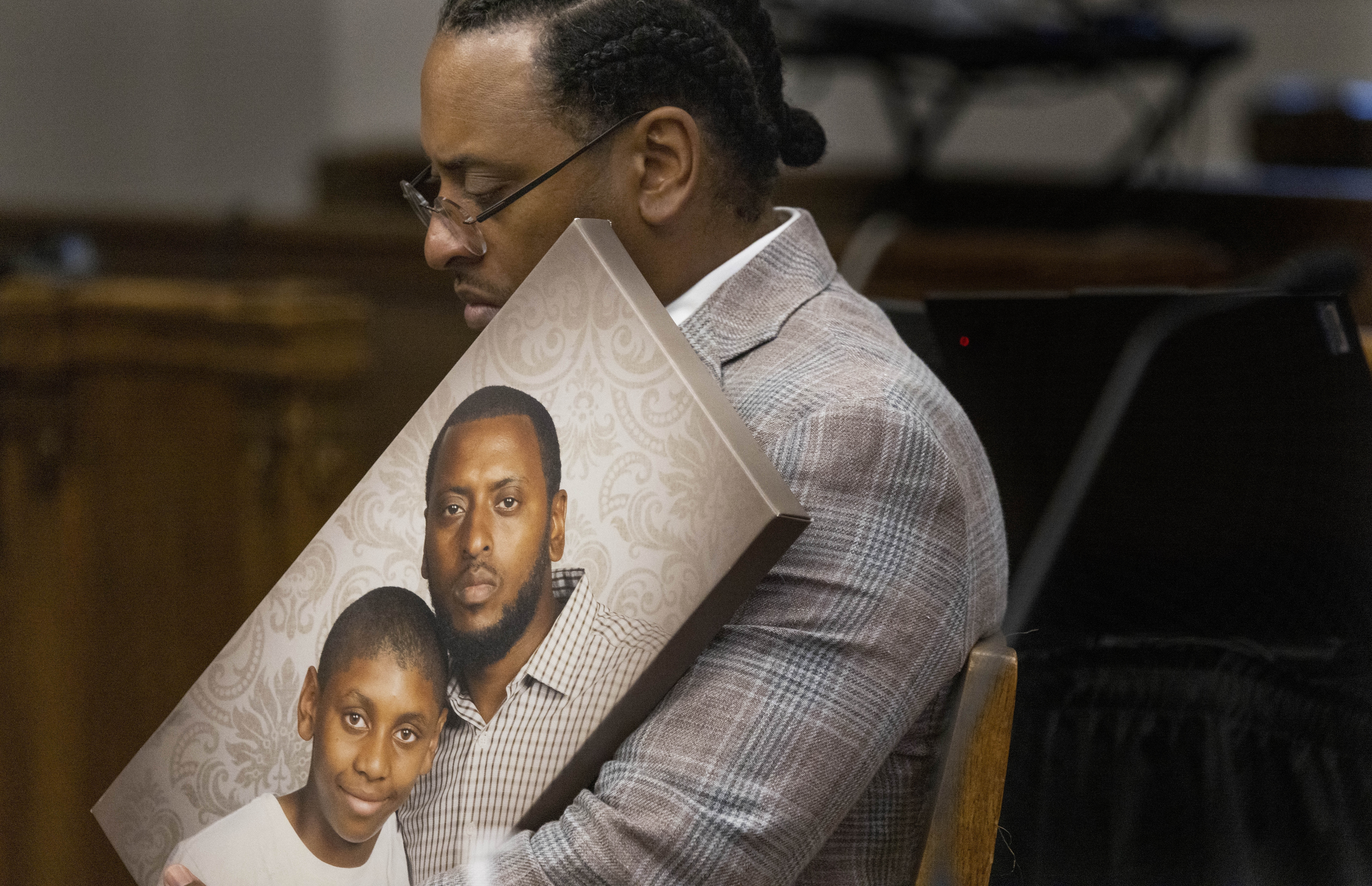
The findings serve as a stark reminder of the dangers inherent in highly charged protest environments, where fear can override reason and misinterpretations can have devastating consequences. The family of Antonio Mays Jr. has been grappling with unanswered questions for over a year, and while the new evidence may not bring closure, it offers a clearer, albeit heartbreaking, understanding of the circumstances surrounding their son's death. It also prompts broader questions about accountability and the narratives that emerge from moments of social upheaval.