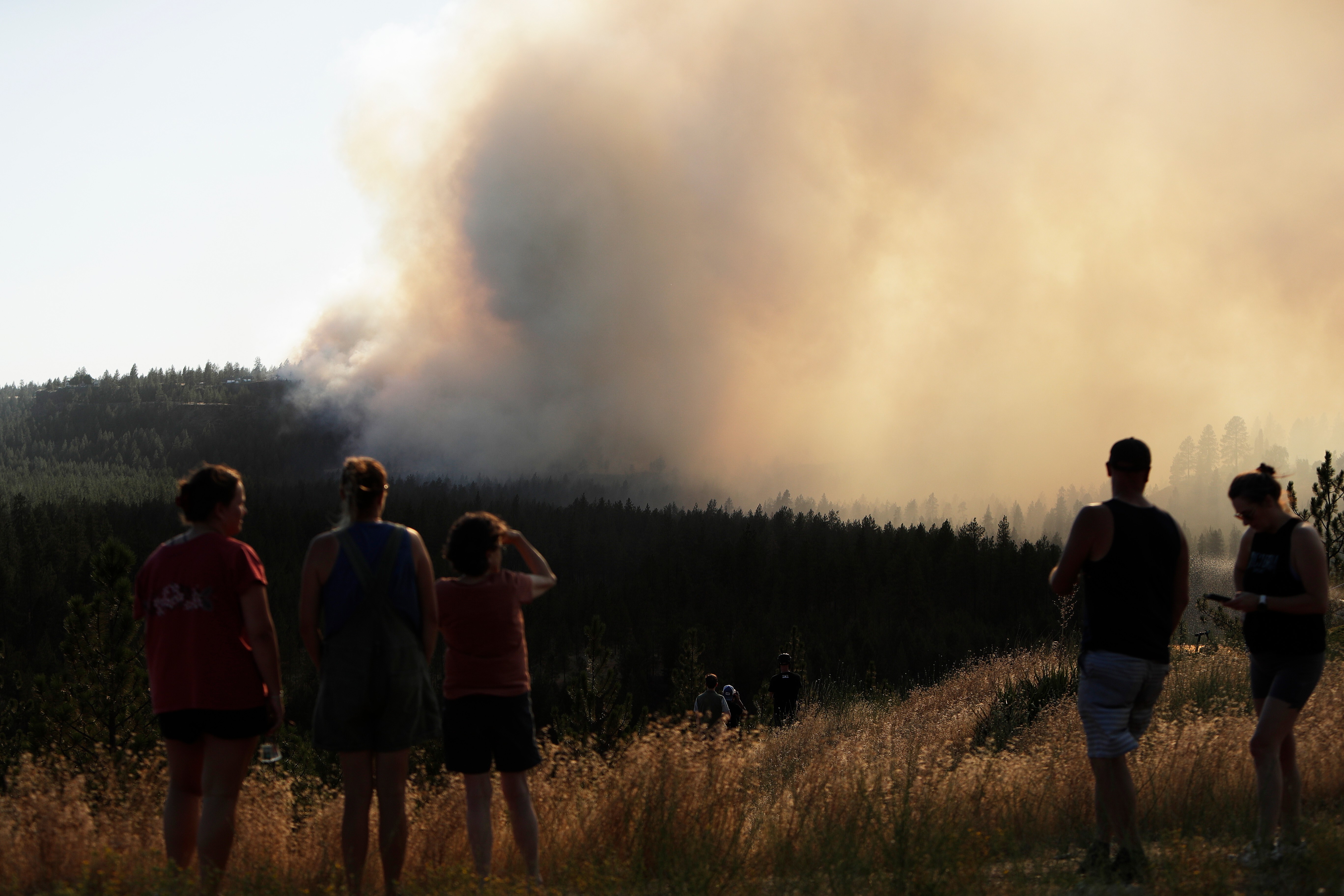
Spokane, a major city in the US Pacific Northwest, is grappling with a rapidly escalating wildfire crisis, forcing thousands of its residents to abandon their homes under immediate threat. At least three significant blazes are raging in and around the city, prompting authorities to issue Level 3 evacuation orders – the most severe warning, instructing residents to "Leave NOW! This may be your only notice."
The infernos have cast a pall of smoke over the urban landscape, creating apocalyptic scenes as fire crews battle relentlessly to contain the conflagration. NPR National reported on Sunday that large swathes of Spokane have been plunged into chaos, with emergency services overwhelmed by the scale and speed of the fires' spread.
Unprecedented Danger to Urban Fringe
The fires' proximity to a major population centre distinguishes this event, elevating concerns beyond typical seasonal blazes. While the exact cause of the fires is still under investigation, the region has been experiencing a period of hot, dry weather, creating tinderbox conditions ripe for rapid ignition and spread. Experts suggest that climate change is exacerbating these conditions, leading to more frequent and intense wildfire seasons across the Western United States.
Evacuation routes have been choked with traffic as families flee with what little they can carry. The emotional toll is immense, with residents facing the terrifying prospect of losing everything. Local news channels have broadcast harrowing footage of homes engulfed in flames, underscoring the urgency of the evacuation directives. The local emergency management agency has established temporary shelters, though capacity is quickly being tested as more residents seek refuge.
Economic Fallout and Community Resilience
The economic impact on Spokane is expected to be substantial. Beyond the immediate destruction of homes and infrastructure, local businesses are likely to suffer from forced closures and a depleted customer base. Insurance claims are anticipated to soar into the hundreds of millions of Australian dollars, placing significant strain on the recovery process. However, the community spirit is evident, with countless volunteers offering assistance, food, and shelter to those displaced.
Authorities are warning against non-essential travel into affected areas, urging the public to stay clear to allow emergency services unhindered access. The immediate priority remains the safety of human life, with search and rescue operations underway in areas where the fires have already encroached. The air quality has also deteriorated significantly, prompting health warnings for residents, particularly those with respiratory conditions.
Firefighters Face Relentless Conditions
Firefighters, many of whom have been battling blazes across the broader region for weeks, are working tirelessly in extremely challenging conditions. High winds and erratic fire behaviour are complicating containment efforts, making it difficult to predict the fires' trajectory. Reinforcements from neighbouring counties and states are being mobilised to bolster the fatigued crews on the ground. The sheer scale of the operation requires a coordinated multi-agency response, with resources stretched thin.
The long-term outlook for Spokane remains uncertain. Even once the immediate threat subsides, the city will face a monumental task of recovery and rebuilding. The psychological impact on residents, particularly children, is also a significant concern, with trauma counselling likely to be a critical component of the post-disaster response. As the sun sets on another day, the glow of distant fires serves as a stark reminder of the ongoing peril facing Spokane.