New video evidence has dramatically reshaped the understanding of how a Black teenager, who joined a civil rights protest in Seattle, met his death in a zone abandoned by police. An 18-month investigation by The Seattle Times, KUOW, and NPR's Embedded podcast, meticulously reviewing more than a dozen videos from the night of the shooting, paints the most comprehensive picture yet of the tragic events.
The CHOP Zone: An Experiment in Anarchy
The incident unfolded in June 2020 within the Capitol Hill Organised Protest (CHOP) zone, an area in Seattle's Capitol Hill precinct that saw protestors establish an autonomous territory following weeks of demonstrations against racial injustice and police brutality. Police had withdrawn from their East Precinct building, leaving a vacuum that protestors initially filled with community initiatives, art, and political discussion. However, as days turned into weeks, the zone became increasingly lawless, plagued by internal power struggles, reports of assault, and a growing sense of insecurity. This environment, initially envisioned as a safe space for dissent, ultimately became a perilous one.
A Quest for Justice Ends in Violence
Marcelis Stinnette, 19, had travelled to the CHOP zone from his home, drawn by the burgeoning civil rights movement of his generation. Like many young Black men, he felt a profound connection to the calls for racial justice and police accountability that reverberated across the United States. However, his aspirations to be part of this historic moment were tragically cut short. The comprehensive review of video evidence by the US media outlets indicates that Stinnette became entangled in a series of rapidly escalating confrontations within the CHOP zone. The investigation highlights how a volatile mix of paranoia, misinformation, and the absence of established law enforcement protocols created a dangerous climate.
Misinformation and Mistaken Identity
NPR National reported that the new video analysis suggests Stinnette was mistakenly perceived as a threat by elements within the protest movement itself. In the absence of police and clear lines of authority, self-appointed security groups emerged, sometimes operating with little coordination or training. The investigation reveals moments of intense confusion where shouts and accusations quickly escalated into physical altercations. The videos indicate a cascade of misunderstandings, where Stinnette, an aspiring participant in the civil rights movement, was tragically misidentified in the chaotic melee. This tragic misidentification underscores the inherent dangers of unregulated environments where fear can quickly override reason.
The Aftermath and Lingering Questions
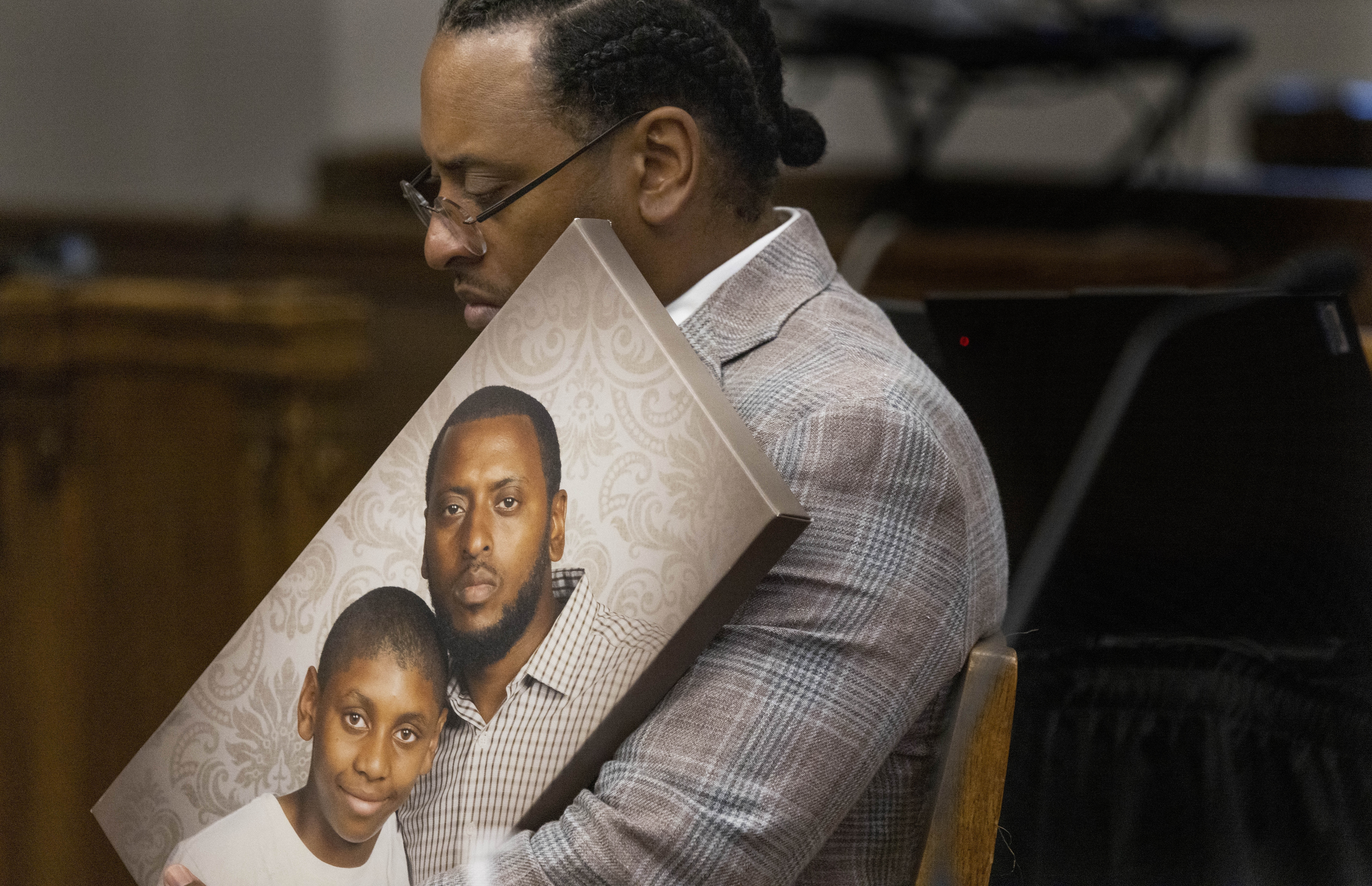
Stinnette’s death sent shockwaves through Seattle and beyond, further complicating the narrative of the CHOP zone. While initial reports were often conflicting and driven by rumour, the exhaustive forensic analysis by The Seattle Times, KUOW, and NPR’s Embedded podcast offers a clearer, albeit heartbreaking, account. The investigation does not simply present a timeline of events; it delves into the psychological landscape of the CHOP zone, illustrating how an environment intended to foster justice and community ultimately consumed one of its own. Stinnette's family, still grappling with their loss, now have a more complete picture of the circumstances that led to his death, though it offers little solace. His story serves as a stark reminder of the complexities and unforeseen dangers that can emerge in even the most well-intentioned movements when order collapses and fear takes hold.