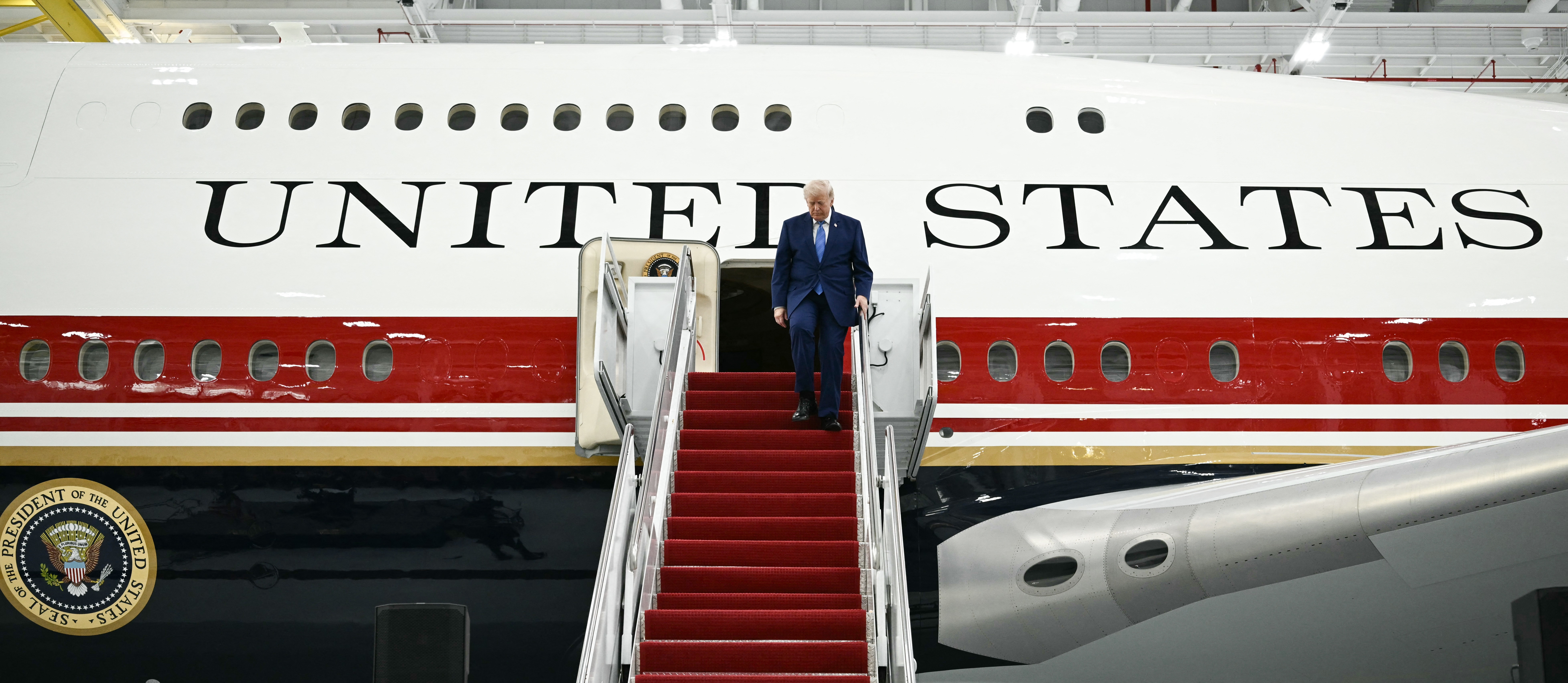
Former US President Donald Trump has re-entered the economic debate with characteristic vigour, delivering a speech that squarely addressed the cost-of-living crisis gripping American households. His rhetoric, centred on inflation and affordability, resonates far beyond US borders, touching on themes familiar to Australians currently battling their own financial pressures.
NPR Business recently delved into Trump's pronouncements, with Michel Martin speaking to Heather Long, chief economist at Navy Federal Credit Union, to unpack the substance behind the former President’s economic narrative. The discussion highlights a growing global concern: how to balance economic growth with the everyday realities of household budgets.
Trump's Blueprint for Economic Relief
During his recent address, Donald Trump reportedly outlined a vision for revitalising the American economy, heavily featuring a critique of the current administration's policies. While details remain somewhat broad, his focus was unequivocally on reducing the financial burden on everyday Americans. This includes, as NPR Business reported, pledges to curb inflation and make essential goods and services more accessible. The former President's approach often links current economic woes to excessive government spending and regulatory policies, promising a return to what he describes as sounder fiscal management. Such promises, though lacking granular detail, are designed to appeal to a populace fatigued by persistent price hikes, from groceries to petrol, a sentiment undoubtedly mirrored in Australia where the average family budget is under similar strain.
The Economist's View: Beyond the Slogans
Heather Long, a respected voice in economic circles, offered a nuanced perspective on Trump's proposals. While acknowledging the genuine pain caused by inflation, Long's analysis, as detailed by NPR Business, aimed to separate political rhetoric from economic reality. She reportedly emphasised that many factors influencing inflation are complex and global, extending beyond the direct control of any single administration. The current inflationary environment, for instance, has roots in pandemic-era supply chain disruptions, shifts in consumer demand, and geopolitical events – challenges that impact economies like Australia's as much as America's. Long's insights suggest that while Trump's diagnosis of an affordability crisis is accurate, the proposed solutions might require a more comprehensive understanding of these intricate economic forces.
Australian Households Feel the Pinch Too
The issues raised in Trump's speech and further explored by Long are remarkably pertinent to the Australian context. Australian households have been contending with surging inflation, leading to significant increases in the cost of living. Data from the Australian Bureau of Statistics consistently shows substantial rises in areas such as housing, food, and energy. Like their American counterparts, many Australians are finding their disposable income shrinking as wages struggle to keep pace with rising prices. The Reserve Bank of Australia has been aggressively raising interest rates to combat inflation, adding another layer of financial pressure on mortgage holders. The discourse around affordability is not merely an abstract economic concept but a daily struggle for millions of Australians watching their supermarket bills climb and petrol prices soar.
Potential Ripple Effects for Australia
Should Donald Trump return to the White House and implement his proposed economic policies, there could be significant flow-on effects for Australia. Any major shifts in US trade policy, particularly a move towards increased protectionism, could disrupt global supply chains and impact Australian exporters. Furthermore, changes to US fiscal and monetary policy would undoubtedly influence global financial markets, potentially affecting the Australian dollar and investor confidence. While direct policy comparisons are difficult, the emphasis on domestic manufacturing and reduced spending could signal a more inward-looking American economy, prompting Australia to further diversify its trade relationships and bolster its own economic resilience. The global interconnectedness of economies means that even rhetoric from a major player like the US can send ripples across the Pacific.