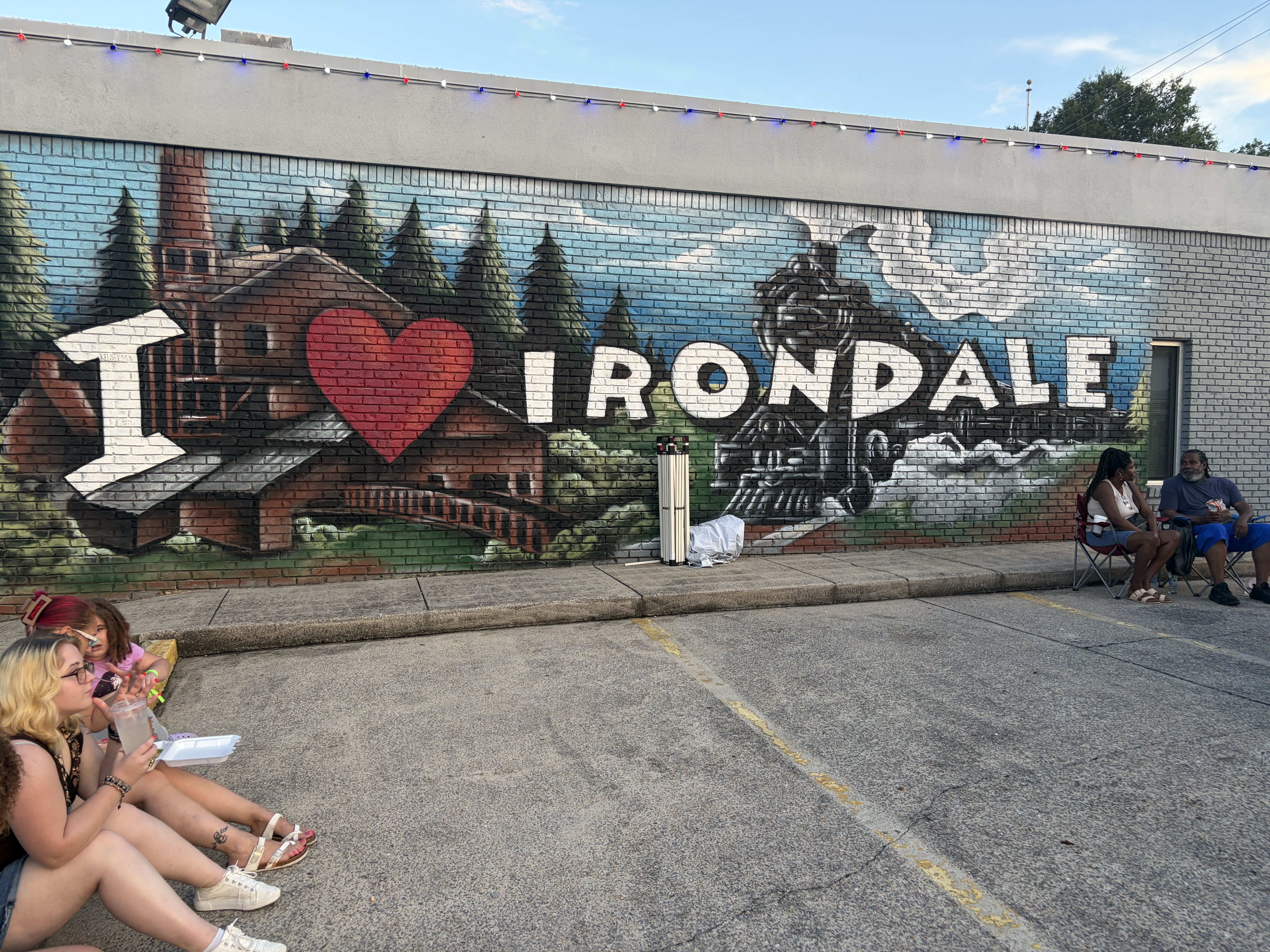
What began as a quirky rebranding effort in a small American town quickly devolved into a cautionary tale about the perils of chasing trends, particularly in the ever-evolving, often contentious, world of artificial intelligence. The city of Irondale, Alabama, in a bid to inject a contemporary flavour into its much-loved annual community festival, opted to rechristen it 'AI Love Irondale Day.' The move, intended to celebrate innovation, instead unleashed a torrent of online ridicule and local unease, forcing a rapid retreat to the event's traditional name.
The Rebranding Blunder
The initial announcement of 'AI Love Irondale Day' was met with a mix of confusion and incredulity across social media platforms. NPR Business reported that the city council's decision, meant to position Irondale as forward-thinking, instead drew widespread mockery for what many perceived as an awkward and ill-conceived embrace of artificial intelligence. Critics questioned the relevance of AI to a local community festival, highlighting the disconnect between cutting-edge technology and a celebration typically focused on local artisans, food trucks, and family entertainment.
While the specific motivations behind the name change weren't explicitly detailed, the move appears to have been an attempt to align Irondale with the broader national conversation around technological advancement. However, the execution missed the mark, turning what should have been a source of local pride into an object of internet jest. Within days, the city council, facing a backlash more intense than anticipated, reverted the festival's name to the more familiar 'Irondale Whistle Stop Festival,' a nod to the town's railroad heritage and a clear admission of misjudgment.
Local Echoes of Global Concerns
The online derision, while swift, was only one layer of the controversy. Beneath the surface, local residents of Irondale began to voice deeper anxieties that reflect a growing global unease about the rapid proliferation of AI and the infrastructure required to power it. The discussion around 'AI Love Irondale Day' quickly morphed into a broader conversation about data centres – massive facilities that house the servers vital for AI operations and cloud computing.
Several Irondale residents, speaking to local media outlets, expressed concerns that the festival’s ill-fated rebrand might signal a future where their quiet community is transformed by the industrial footprint of data centres. These facilities, while bringing potential jobs and investment, also raise questions about substantial energy consumption, water usage, and the changing aesthetics of a town. For many, the idea of AI taking over their community festival tapped into a nascent worry about losing local identity and control to large tech interests. The cost of running these centres globally is already enormous, with estimates suggesting billions of Australian dollars are poured into their operation annually.
A Return to Tradition and Trust
By swiftly reverting to the 'Irondale Whistle Stop Festival' name, the city council not only quelled the immediate online storm but also sent a clear signal to its residents. It acknowledged that, for many, community festivals are about heritage, familiarity, and a sense of belonging, not about being a billboard for the latest technological buzzword. The experience serves as a stark reminder that while innovation is often lauded, its integration into local culture must be handled with sensitivity and a keen understanding of community values.
The festival's short-lived 'AI' branding period highlighted a valuable lesson for municipalities worldwide: engaging with new technologies requires more than just a catchy name. It demands active community consultation, transparent communication about potential impacts, and a genuine understanding of local sentiment. As AI continues its march into everyday life, the Irondale saga underscores the importance of fostering trust and ensuring that technological advancement genuinely serves the community, rather than alienating it. The festival has now returned to its beloved traditional format, a testament to the enduring power of local pride over fleeting digital fads.