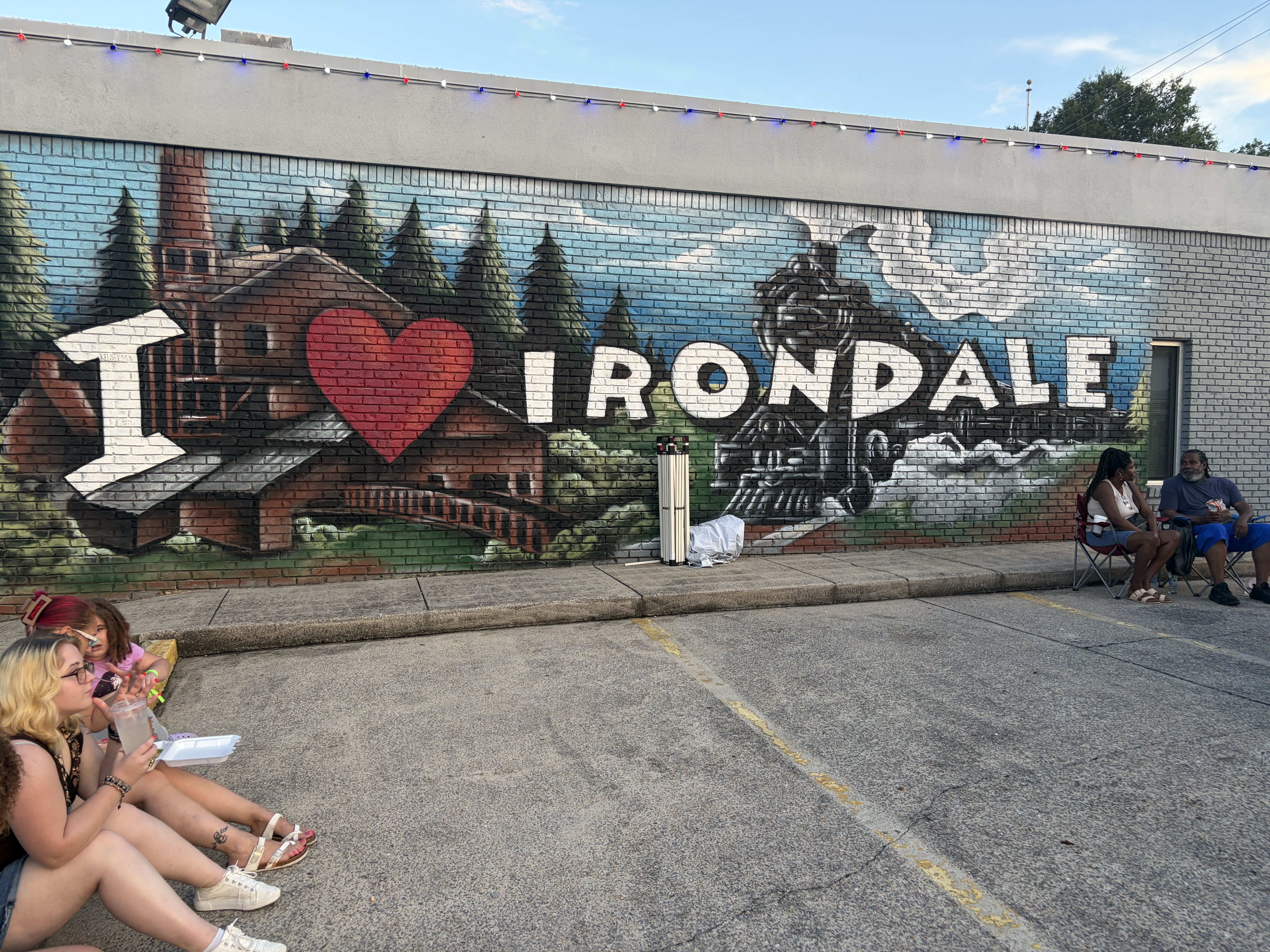
IRONDALE, Alabama – A quiet American town’s attempt to embrace the future has inadvertently thrust it into the spotlight of a contentious debate, after its annual summer festival was controversially rebranded “AI Love Irondale Day.” The seemingly innocuous name change, intended to celebrate a burgeoning technological presence, instead triggered a fierce online backlash that underscores growing unease over the rapid proliferation of artificial intelligence data centres across the US South.
Traditionally known as the “WhistleStop Festival,” a nod to the town’s railway heritage and a local film, the Irondale event’s new moniker has been widely decried as a marketing misstep. The outcry, extensively reported by NPR Business, highlights a broader tension between economic development championed by tech giants and the preservation of local identity and environmental concerns.
The AI Embrace Backfires
Irondale, a suburb of Birmingham, Alabama, has recently become home to a substantial new Google data centre, a development local authorities hoped would usher in an era of prosperity. In a bid to acknowledge this significant investment and what they perceived as a progressive step for the community, organisers opted to rename their popular festival to “AI Love Irondale Day.” The move was framed as a forward-thinking gesture, aligning the town with the cutting edge of technological advancement.
However, the public reaction was swift and overwhelmingly negative. Social media platforms were inundated with critical comments, lambasting the new name as impersonal, corporate, and a betrayal of the festival’s authentic community spirit. Many residents and observers felt the change prioritised corporate branding over the town's unique character, with some likening it to a forced corporate takeover of a cherished community event. The digital dissent quickly spiralled, capturing national attention and transforming a local festival’s rebranding into a case study of tech’s divisive impact.
A Region in the Crosshairs of Development
The controversy in Irondale is not an isolated incident. Across the US South, states like Alabama, Georgia, North Carolina, and South Carolina are experiencing an unprecedented boom in data centre construction. Drawn by affordable land, ample electricity (often from fossil fuel sources), and attractive tax incentives, technology behemoths like Google, Amazon, and Microsoft are investing billions of Australian dollars into these regions. This influx promises jobs and infrastructural development, yet it also brings significant challenges.
Local communities are grappling with increased demands on power grids, potential environmental impacts from energy consumption and cooling systems, and concerns about the aesthetic and cultural integration of these massive, often windowless, facilities. The transformation of rural landscapes into industrial tech hubs is generating a complex mix of hope for economic uplift and apprehension over irreversible change.
Digital Backlash and Identity Crisis
The “AI Love Irondale Day” debacle serves as a potent symbol of this regional identity crisis. Critics articulated fears that the relentless march of AI infrastructure threatens to homogenise local culture and history, replacing quaint traditions with generic tech-centric branding. For many, the festival’s renaming was seen as a cringeworthy attempt to curry favour with a corporate entity, sacrificing decades of community heritage on the altar of technological progress.
The widespread commentary also touched on broader societal anxieties surrounding AI itself – its job displacement potential, ethical implications, and perceived dehumanising effects. By directly associating their town’s celebration with AI, Irondale inadvertently tapped into a wellspring of public scepticism and distrust, amplifying the local critique into a national conversation about technology’s role in modern life.
Re-evaluating Progress and Preservation
As the dust settles in Irondale, the episode offers a valuable lesson for other communities navigating similar development pressures. It highlights the critical importance of public consultation and sensitive branding when integrating major industries into local life. The desire for economic growth must be carefully balanced with the preservation of cultural identity and genuine community engagement.
NPR Business's reporting suggests that while the economic benefits of data centres are undeniable for many Southern towns, the social and cultural costs, as evidenced by Irondale’s experience, are only just beginning to be understood. The incident underscores that for technology to be truly embraced, it must first be perceived as an enhancement to, rather than an erosion of, a community's soul.