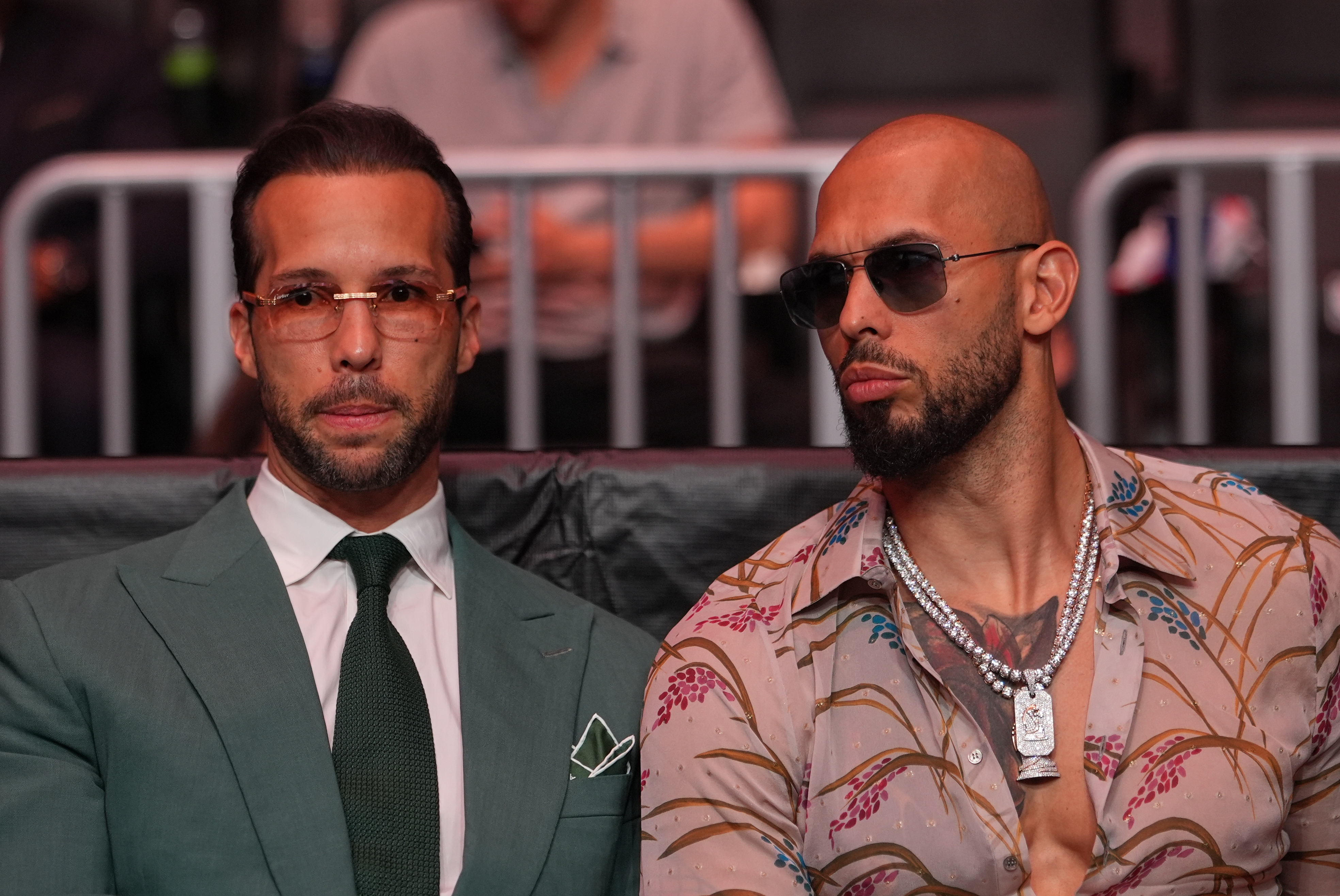
Andrew and Tristan Tate, the high-profile and divisive social media influencers, were apprehended in Miami yesterday on a sealed warrant, the U.S. Marshals Service confirmed to the Associated Press. The dramatic development signals a significant escalation in the legal troubles for the brothers, who are now the subject of an extradition request from British prosecutors seeking their return to the United Kingdom to face charges of rape and human trafficking.
NPR National, which broke the news, reported that the arrests occurred without incident, though details surrounding the sealed warrant remain undisclosed. This latest legal action follows a tumultuous period for the Tates, who have faced various criminal investigations and widely publicised allegations across multiple jurisdictions.
Long History of Legal Scrutiny
The Tate brothers, both British-American citizens, have long been figures of intense controversy, primarily known for their online personas promoting a hyper-masculine, often misogynistic, lifestyle. Their content has garnered millions of followers but has also led to bans from numerous social media platforms due to violations of hate speech and misogynistic content policies. Their legal woes are not new; they were previously detained in Romania in late 2022 on suspicion of human trafficking, rape, and forming an organised crime group. They vehemently denied those charges, with the case still ongoing in the Romanian justice system, albeit with recent periods of release under judicial control.
The specific nature of the current British charges under the extradition request has not yet been fully detailed by authorities, but the mention of both rape and human trafficking points to extremely serious offences. Extradition proceedings between the United States and the United Kingdom are typically complex and can be protracted, involving legal challenges and appeals from the individuals sought.
Cross-Border Justice Pursuit
Experts suggest that the U.S. Marshals Service’s involvement underscores the seriousness with which international law enforcement agencies are pursuing these allegations. "An arrest on a sealed warrant, especially for an extradition request of this magnitude, indicates considerable preparatory work by law enforcement and a strong evidentiary basis presented by the requesting nation," commented a Sydney-based legal analyst specializing in international law, who preferred anonymity due to ongoing sensitive cases. "The next steps will involve hearings in U.S. courts to determine the legality of the extradition, where the Tates' legal team will undoubtedly mount a robust defence."
The timing of the arrest in Miami raises questions about the brothers' travel patterns and why the U.S. became the location for their apprehension. While they have significant followings globally, their primary residences and business operations have often been linked to Romania.
What Comes Next for the Tates?
Following their arrest, the Tate brothers will face an initial court appearance in the U.S. to be formally advised of the charges and the extradition request. Their legal team is expected to challenge the extradition, which could involve arguing against the validity of the British warrant, the sufficiency of the evidence, or potential abuses of process. Such proceedings can often take months, if not years, to resolve, depending on the complexity of the case and the number of appeals filed.
Should the U.S. courts ultimately approve the extradition, the brothers would then be transferred into British custody to face trial on the alleged offences. If convicted in the UK, the penalties for rape and human trafficking are severe, often involving lengthy custodial sentences. The ongoing situation continues to attract significant global media attention, given the Tates' controversial public profiles and the gravity of the charges against them.