
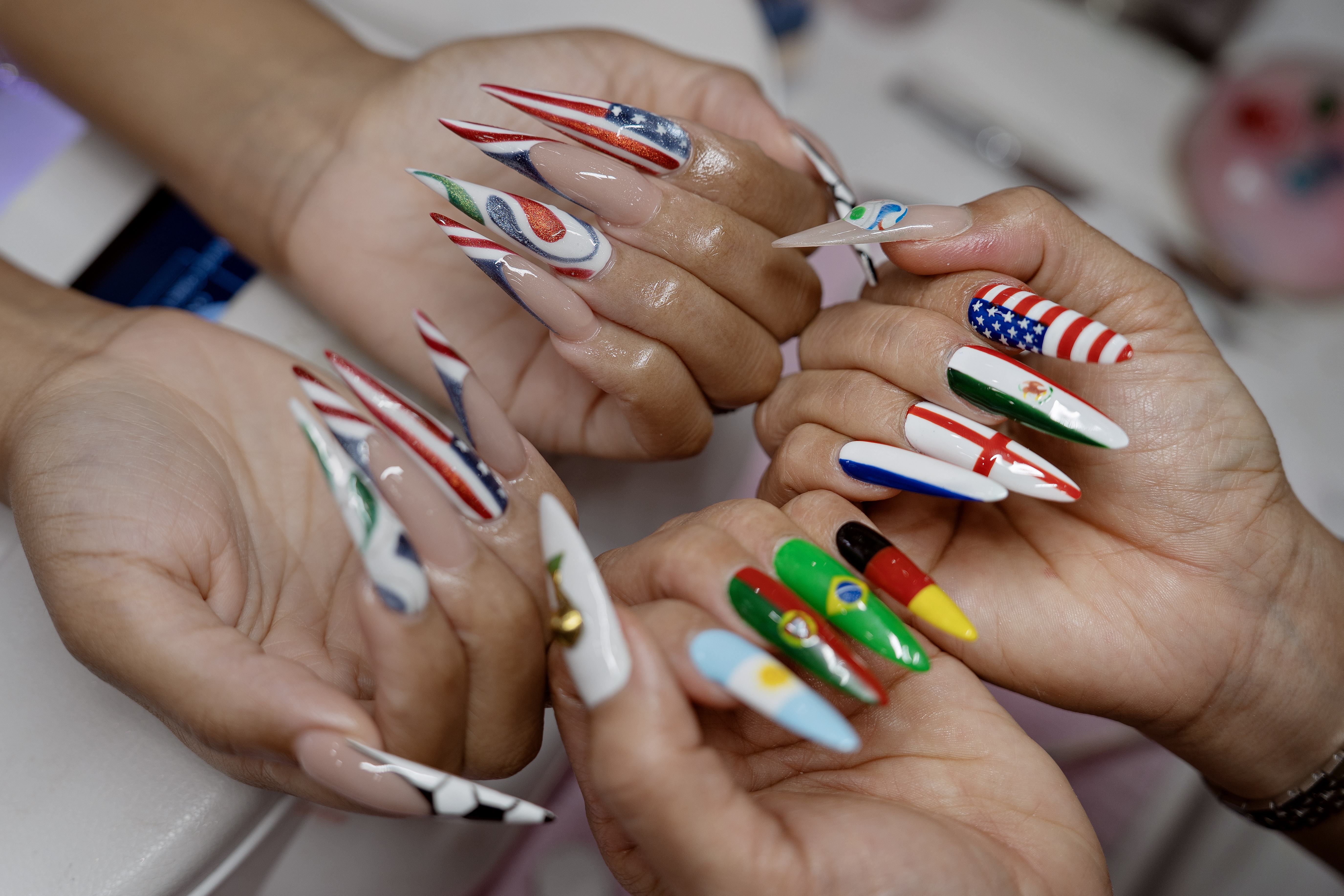
As the FIFA Women's World Cup electrifies stadiums across Australia and New Zealand, a familiar image often dominates television screens: seas of predominantly male fans, faces contorted in shouts of triumph or despair, sweat beading on their brows. This enduring stereotype of the male football fanatic, while undeniably a significant part of the sport's global fabric, is increasingly being challenged by a powerful, growing and perhaps more nuanced narrative.
NPR National recently highlighted a refreshing shift in perspective for reporters covering this year’s tournament. Amidst the usual flurry of on-field action and strategic analyses, one of the unexpected delights has been the opportunity to engage with the legions of women who passionately adore soccer. These interactions are painting a richer, more inclusive picture of the sport's global fanbase, moving beyond the traditional, often male-centric, lens.
A Sea Change in Stadium Stands
Walk through any stadium hosting a Women’s World Cup match, and the demographic swiftly broadens. While male fans are certainly present, the sheer number of women and girls, often in family groups, friendship circles, or even solo, is striking. They aren't just polite observers; they are fully invested, roaring with the crowd, meticulously tracking every play, and donning their team colours with pride. This visible shift is a potent symbol of how women’s football is not only gaining traction but also actively cultivating a new generation of devoted supporters.
Anecdotal evidence from reporters suggests these women offer a unique insight into the sport's appeal. Their conversations often delve deeper than just tactics or player performance, touching upon themes of empowerment, community, and the sheer joy of athletic excellence. The atmosphere at these games feels, to many, distinctly different – perhaps more celebratory, less aggressive, and undeniably inclusive.
Dispelling Old Narratives
For decades, the mainstream media's portrayal of football fandom has largely been skewed towards men. The image of the 'barracker' or the 'fanatic' was almost exclusively male, leaving little room for the millions of women who have always followed the sport, albeit often from the sidelines of public perception. This World Cup, however, is providing a robust rebuttal to such narrow viewpoints. The energy and knowledge displayed by female fans in stadiums and viewing parties are undeniable, proving that passion for football transcends gender.
NPR National reporters, in their dispatches from the tournament, have actively sought out these often-unheard voices, discovering a wealth of stories that underscore the deep connection many women have with the game. From mothers introducing their daughters to the Matildas, to lifelong fans who have waited years for this moment, their narratives are integral to understanding the true breadth of football's reach.
The Economic and Cultural Impact
The burgeoning female fanbase isn’t just a feel-good story; it holds significant economic and cultural weight. Increased attendance figures, merchandise sales – an authentic Matildas jersey can set you back around $120 AUD – and heightened media engagement all contribute to the sport's burgeoning economy. This financial backing, driven in part by female supporters, is crucial for the continued growth and professionalisation of women's football globally. Culturally, it's about normalising female enthusiasm for sport, dismantling lingering stereotypes, and providing powerful role models for young girls aspiring to both play and follow the game.
The Women's World Cup in Australia and New Zealand is proving to be a landmark event, not only for the quality of football on display but also for its profound impact on how we perceive and celebrate football fandom. It's a joyous, loud, and undeniably female-infused celebration of the beautiful game, challenging old norms and establishing a more diverse, equitable future for the sport.


