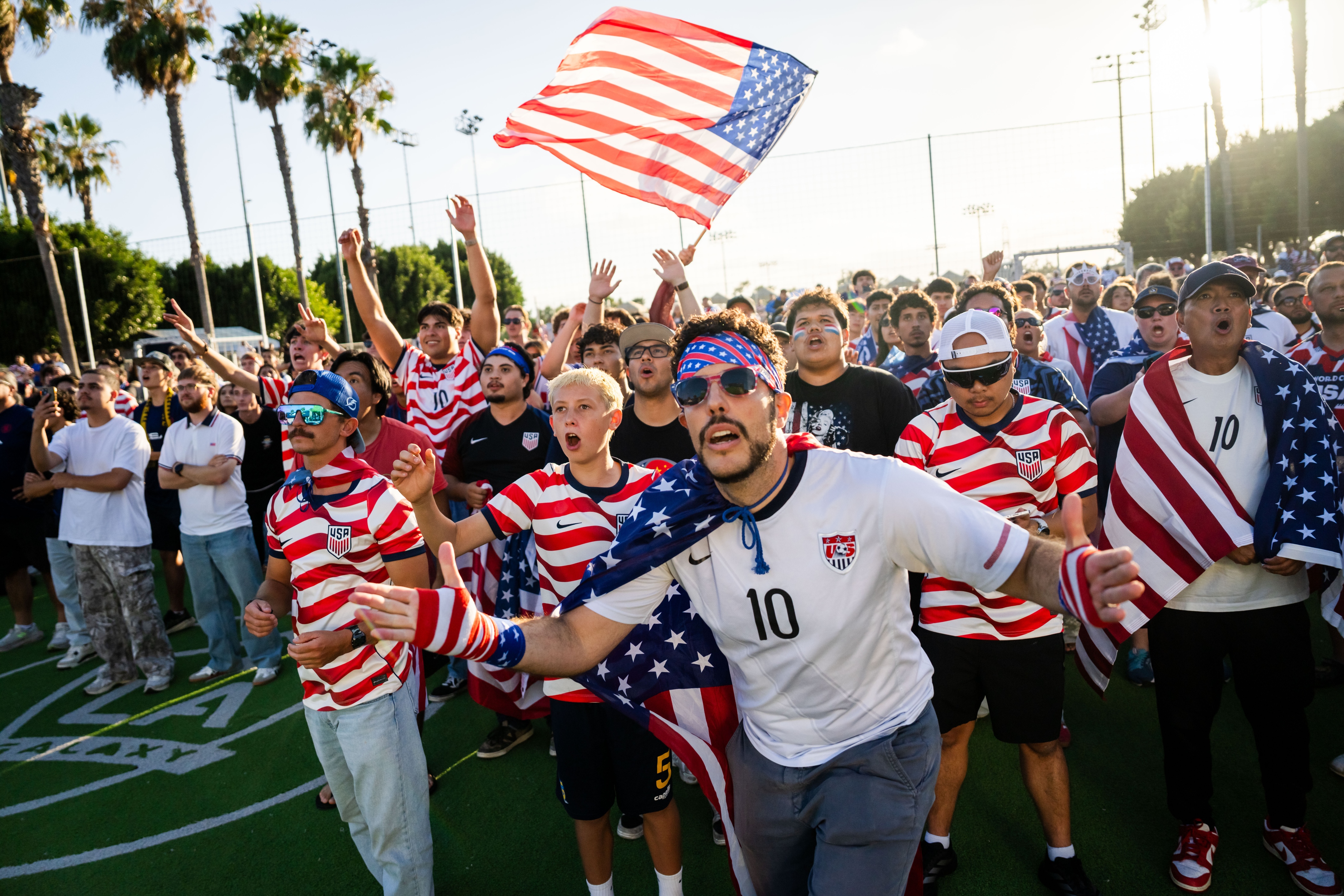
More than a quarter-century after the US last hosted the men’s FIFA World Cup, igniting a national 'soccer fever' and birthing Major League Soccer (MLS), the league once again finds itself at a pivotal juncture, keen to harness the ripple effect of the recent global tournament.
The Lingering Legacy of '94
The 1994 World Cup was a watershed moment for football in the United States. NPR National reported that the tournament sparked an unprecedented surge in interest, from the proliferation of youth leagues across the nation to the burgeoning presence of matches on television. Crucially, it directly led to the formation of MLS in 1996, providing a professional domestic league for a sport that had long struggled to find a foothold against the dominant quartet of American football, basketball, baseball, and ice hockey. For years, MLS existed somewhat on the periphery, a niche interest often overshadowed by European giants or the nation's entrenched sporting passions. Yet, its steady growth, strategic expansions, and increasing viewership have laid a robust foundation for what it hopes will be its breakout moment.
Converting Spectators to Supporters
The challenge for MLS now, as the curtain falls on the latest World Cup, is to convert the millions who tuned in to watch the global spectacle into dedicated followers of their domestic competition. This isn't merely about attracting eyeballs; it's about fostering a deeper cultural connection to the game. Historically, American sports fans have demonstrated a strong allegiance to their local teams, a phenomenon MLS is desperately trying to cultivate. The league has invested heavily in community engagement, state-of-the-art stadiums, and signing high-profile international players, often referred to as 'Designated Players,' to raise the standard and appeal of the competition. The hope is that the excitement generated by the World Cup will lead casual viewers to explore the professional football played in their own backyard, rather than simply reverting to European leagues or other American sports.
A Generational Opportunity
This latest World Cup presents a generational opportunity for MLS. There's a significant demographic shift occurring in the US, with younger generations demonstrating a far greater affinity for football than their predecessors. This is partly due to increased multiculturalism and greater global exposure through digital media. MLS is acutely aware that these younger fans, who grew up with easy access to global football, might be more receptive to adopting a local team. The league's digital strategy, including partnerships with streaming platforms and a strong social media presence, is designed to engage this tech-savvy demographic. Furthermore, the prospect of the US co-hosting the 2026 World Cup alongside Canada and Mexico looms large, offering another, even more significant, catalyst for long-term growth and national embrace of the sport. The investments being made now are not just for immediate gains but are part of a long-term strategy to cement football's status as a top-tier sport.
Ultimately, whether MLS can truly harness this World Cup momentum depends on a multi-faceted approach: continued investment in player development, aggressive marketing, and, crucially, consistent delivery of an exciting, high-quality product that can compete for attention in a crowded sporting landscape. The dream of football becoming a truly dominant sport in America, rivalling the established giants, rests heavily on the success of this post-World Cup push.