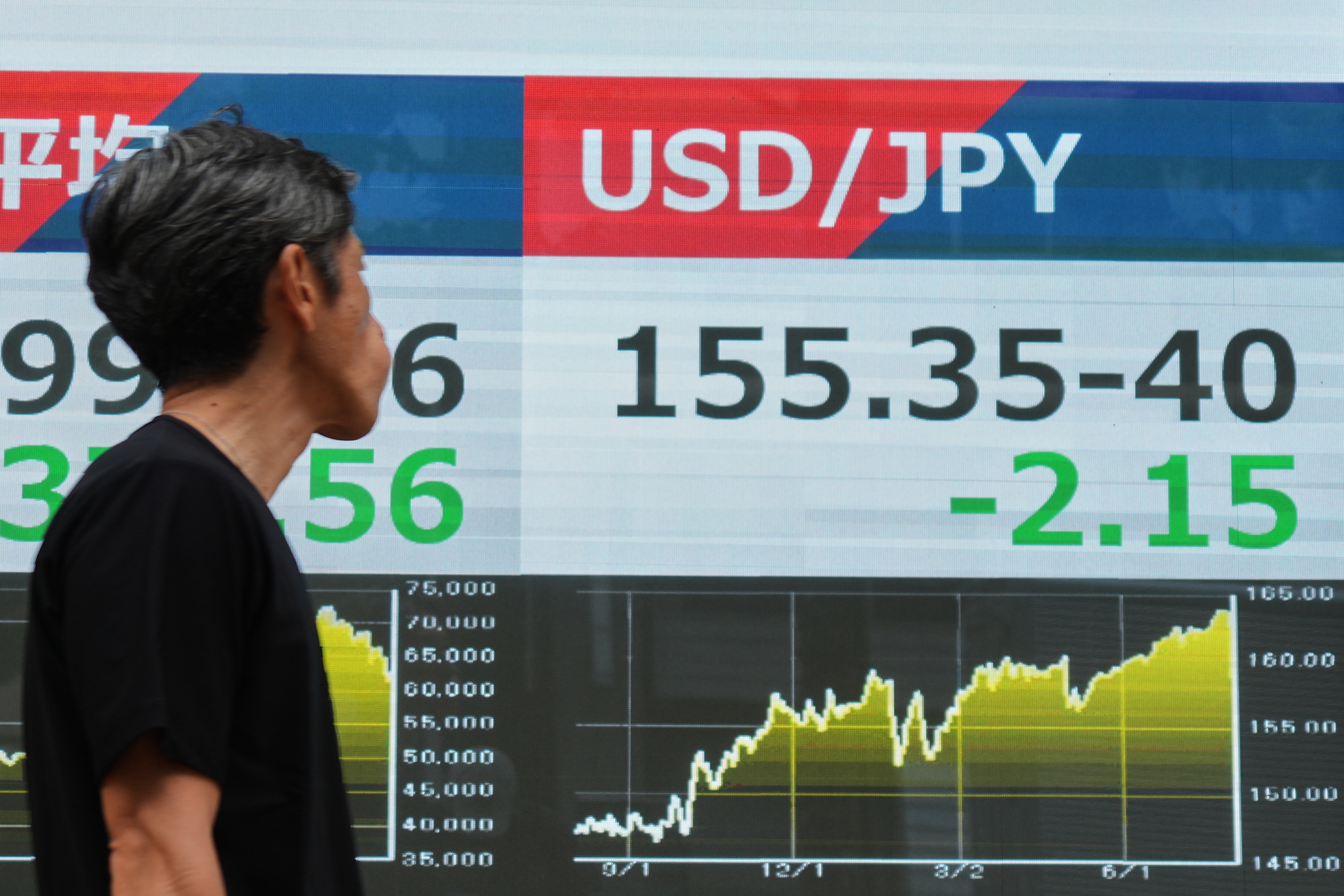
The global currency landscape was thrown into disarray yesterday as the US dollar experienced a dramatic depreciation against the Japanese yen, a move explicitly attributed to coordinated market interventions by both the United States and Japan. The sudden shift has sent ripples through international markets, with analysts in Sydney now closely watching the potential fallout for the Australian dollar and local exporters.
Intervention Confirmed by Top Officials
NPR World reported that the sharp downturn in the greenback's value was confirmed by none other than US President Donald Trump and Japan's Finance Minister, who both publicly acknowledged their respective nations' involvement in the currency markets. This rare dual admission has underscored the seriousness of the economic pressures facing both superpowers and their willingness to employ aggressive tactics to manage their exchange rates. While the specifics of the intervention – including the exact amounts of currency bought or sold – remain undisclosed, the immediate impact on the yen’s strength was undeniable. Such direct intervention is typically reserved for moments of extreme volatility or when a government believes a currency's value is fundamentally misaligned with economic realities, hinting at underlying tensions that extend beyond mere market fluctuations.
The Yuan's Shadowy Influence
The unexpected intervention comes amidst a broader narrative of currency manipulation, particularly concerning China’s yuan. For months, President Trump has voiced strong criticism, accusing Beijing of deliberately devaluing its currency to gain an unfair trade advantage. This ongoing trade dispute, characterised by tit-for-tat tariffs, has created a febrile atmosphere in global finance. Many economists suggest that Washington's move to weaken its own currency against the yen could be interpreted as a strategic play, perhaps aimed at counteracting the perceived manipulation by China or at least demonstrating a willingness to use all tools at its disposal in the escalating economic skirmish. The timing of the intervention, therefore, is crucial, suggesting a broader geopolitical game unfolding on the world stage, with currency values as key pawns.
Implications for Australian Exporters
The sudden strengthening of the yen, coupled with a weaker US dollar, presents a complex scenario for Australian businesses. While a weaker US dollar generally makes Australian exports more competitive in the US market, the significant volatility introduced by currency interventions creates an environment of uncertainty. Australian exporters dealing with Japan, for instance, might find their goods relatively more expensive as the yen gains strength, potentially impacting profit margins or sales volumes. Conversely, for Australian importers of Japanese goods, the stronger yen means higher costs, which could ultimately be passed on to Australian consumers. The Australian dollar, which often tracks the sentiment around major global currencies, will now be under increased scrutiny as investors assess the broader implications of this G2 intervention. Financial analysts in Sydney are advising businesses to review their hedging strategies and brace for continued fluctuations in the coming weeks.
Global Economic Ripple Effects
The actions of the US and Japan are not isolated incidents; they have profound implications for the global economic order. Currency interventions by major economies can trigger a 'currency war', where nations engage in competitive devaluations to boost their own exports. This can lead to increased protectionism and hinder international trade, ultimately slowing global economic growth. The International Monetary Fund (IMF) has historically cautioned against such interventions, advocating for market-determined exchange rates. However, with the current climate of heightened trade tensions and a more assertive approach to economic policy from leading nations, the precedent set by Washington and Tokyo could encourage other countries to consider similar measures, further destabilising the intricate web of global finance and making forecasting even more challenging for economists and businesses alike.