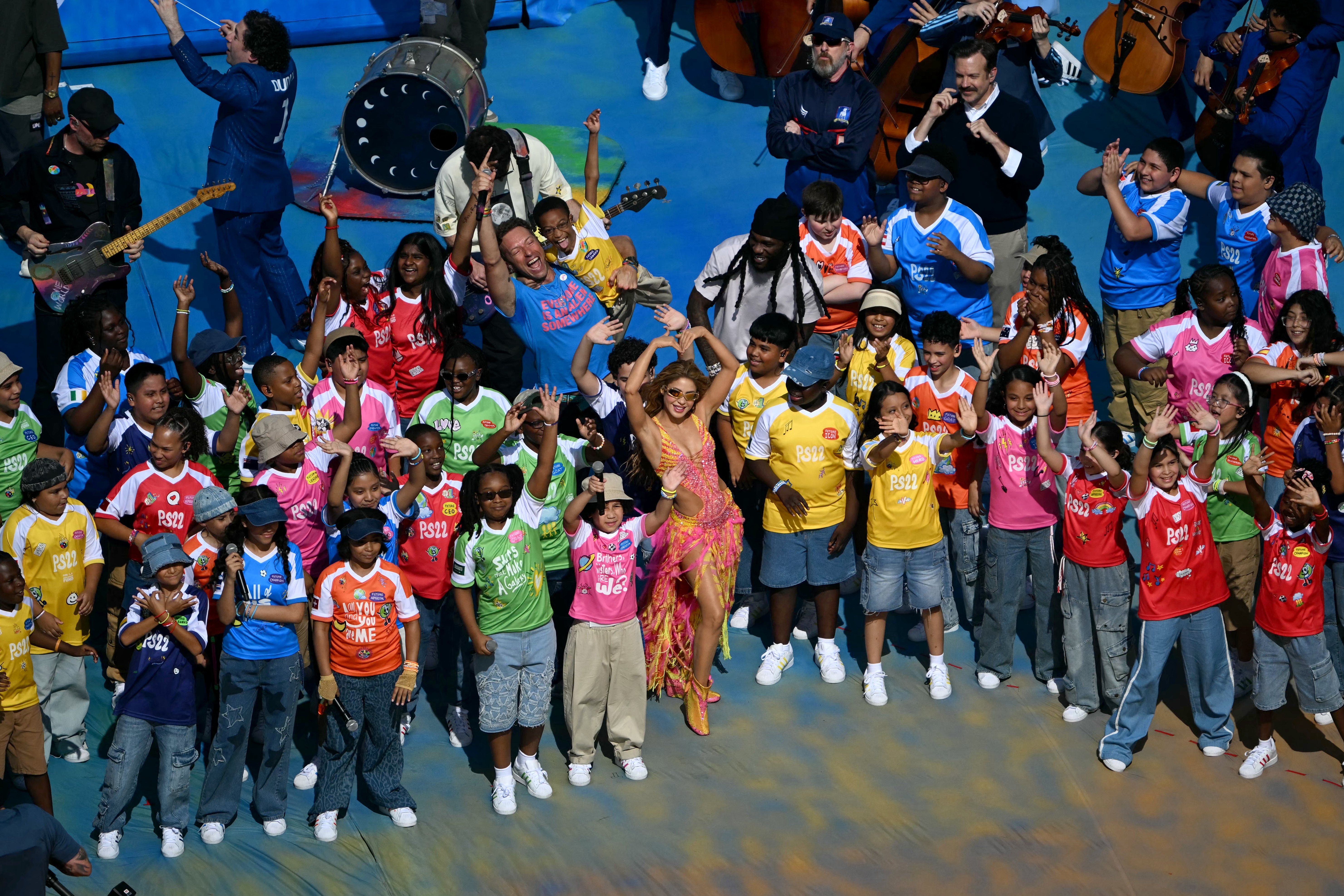
Sydney played host to a dazzling, if somewhat politically charged, World Cup first this weekend, as an unprecedented cavalcade of international music megastars — including Madonna, BTS, Justin Bieber, and Burna Boy — lit up the tournament's inaugural halftime final show. The spectacle, designed to elevate the world's most prestigious football event, found itself under an unexpected spotlight with former US President Donald Trump prominently in attendance, leading some observers to question the intersection of sport, entertainment, and global politics.
NPR National reported that the star-studded event, broadcast to an estimated global audience of over one billion people, felt distinctly more political than anticipated. While major sporting events often draw high-profile personalities, the presence of such a polarising figure as Trump, coupled with the immense cultural influence of the performers, inevitably sparked commentary on the underlying messages being conveyed.
The Sydney Stage: A Global Power Play?
The decision to host the World Cup in Australia, a nation increasingly asserting its soft power on the global stage, was already noteworthy. The halftime show, intended to be a celebration of international unity and athletic prowess, instead became a focal point for geopolitical conjecture. Many commentators pondered whether the juxtaposition of artistic luminaries and a controversial political figure was coincidental or a calculated move to capture an even broader, and perhaps more politically engaged, audience.
Australia's standing as a vibrant, multicultural hub was certainly on display, with the diverse lineup reflecting a global tapestry of musical genres and fan bases. The estimated production cost, rumoured to be in the tens of millions of Australian dollars, underscored the immense investment in making this a truly unforgettable event, regardless of the political undercurrents.
Star Power Meets Political Divide
For many, the performances themselves were technically flawless and emotionally resonant. Madonna's iconic stage presence, BTS's precision choreography, Bieber's pop anthems, and Burna Boy's Afrobeats rhythms each delivered a masterclass in global entertainment. Yet, the persistent buzz online and in conversations around the stadium revolved less around the pitch and more around the VIP box. The mere perception of political alignment, however subtle, can shift the narrative of an event, transforming it from pure entertainment into a cultural statement.
NPR National further highlighted how the presence of world leaders or former leaders at such large-scale events can inadvertently, or deliberately, intertwine political narratives with cultural celebration. While organisers typically aim for universal appeal, the current global climate often makes such neutrality an elusive goal.
The Australian Response: Applause and Apprehension
Locally, the response was a mixed bag of awe and analysis. Social media channels in Australia lit up with both effusive praise for the performances and critical commentary regarding the political overtones. For some, it was a proud moment for Sydney to host such an international spectacle, showcasing Australia's capability to stage world-class events. For others, the presence of a divisive political figure at an event meant to transcend such divisions raised uncomfortable questions about the commercialisation of sport and entertainment.
Ultimately, the World Cup's first-ever halftime final show delivered on its promise of spectacle. However, as NPR National astutely noted, with President Trump in attendance alongside an unparalleled roster of global superstars, the event transcended mere entertainment, becoming a talking point that extended far beyond the football pitch, prompting a broader conversation about the intricate dance between culture, politics, and global influence, even here in Australia.