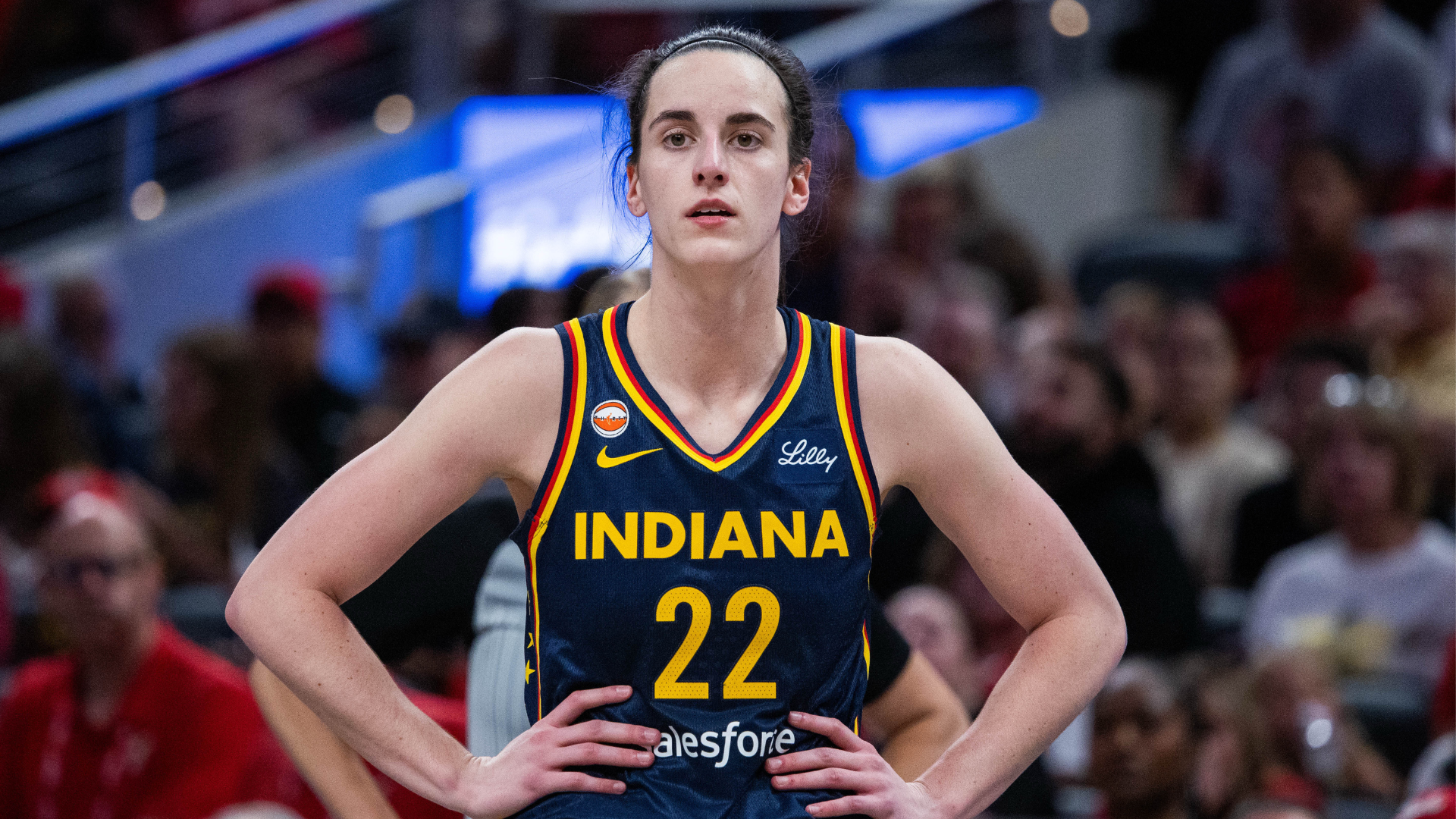
The WNBA All-Star Game is just weeks away, but organisers are grappling with an unexpected hurdle: a reported exodus of star power from the highly anticipated three-point shooting contest. Among the most notable omissions is Indiana Fever rookie Caitlin Clark, whose record-breaking long-range shooting has captivated audiences and injected unprecedented excitement into the league.
Clark, a phenomenon whose arrival has seen WNBA viewership and attendance figures soar, is understood to have politely declined her invitation. She isn't alone; multiple other prominent players have reportedly followed suit, raising questions about the appeal and perceived value of the event to elite athletes.
The news, initially reported by CBS Sports NY, has sent ripples through the WNBA community, prompting discussions ranging from player compensation to the broader implications for the league’s efforts to capitalise on its newfound mainstream attention. For a league striving to elevate its profile and secure lucrative sponsorship deals, a diluted skills competition could be a significant setback.
Player Choices Spark Debate
While the CBS Sports NY report frames the situation as a player-driven issue, the underlying reasons for these refusals are complex and multifaceted. Some speculate it could be related to concerns over perceived additional workload, potential injury risk, or simply a strategic decision to focus on the main All-Star game. The prize money for these ancillary events typically pales in comparison to player salaries or endorsement opportunities, which could also be a factor in their cost-benefit analysis.
For a league that has historically struggled for mainstream attention and equitable pay, every opportunity to showcase its stars is critical. The three-point contest, with its high-octane, highlight-reel potential, is a prime vehicle to attract casual viewers and generate buzz. Its diminished appeal threatens to undermine the WNBA's ongoing surge in popularity, a momentum largely fuelled by talents like Clark.
The Commercial Impact on the WNBA
The financial implications of players declining participation in promotional events are not insignificant. Sponsors invest in these spectacles to align their brands with the league's most recognisable faces. If those faces are conspicuously absent, the value proposition for sponsors diminishes. This could, in turn, affect the league's ability to secure future investment and grow its overall revenue — funds that ultimately benefit the players through improved salaries and benefits.
Industry analysts suggest that the WNBA, currently navigating a pivotal moment in its history, needs all hands on deck to maximise its commercial potential. The current surge in public interest, partly driven by a new generation of stars and savvy marketing, represents an unprecedented opportunity to close the financial gap with other major sports leagues. For context, the average WNBA salary, while increasing, still trails significantly behind its male counterparts, making every fan engagement opportunity crucial for future negotiations.
Organisers Face a New Challenge
League officials and event organisers are undoubtedly facing a headache. Recruitment for these events relies heavily on voluntary participation, and compelling players to compete against their will would likely prove counterproductive. The challenge now lies in understanding the players' motivations and finding ways to incentivise their involvement, perhaps through increased prize money, better scheduling, or a revamped format that offers more appeal.
There's a delicate balance to strike between respecting player autonomy and ensuring the All-Star festivities remain a compelling draw for audiences. Suggestions among fans have included making participation mandatory for selected All-Stars, though this approach could lead to its own set of problems and player discontent.
The All-Star Weekend's Future Appeal
The WNBA All-Star Weekend is designed to be a celebration of the league's finest talent and a key marketing tool. The three-point contest, alongside the skills challenge and actual All-Star game, is meant to provide entertainment and showcase the athletic prowess of WNBA players. A weakened three-point contest could detract from the overall spectacle, potentially dulling the excitement for both casual and dedicated fans.
The league has received its fair share of criticism in recent times, but CBS Sports NY suggests this particular issue falls squarely on the players' shoulders. While acknowledging the pressures faced by professional athletes, the report implies a missed opportunity for players to contribute to the collective growth and visibility of the sport they represent. As the All-Star Game approaches, all eyes will be on who ultimately fills out the roster for the WNBA's crucial long-range shootout.