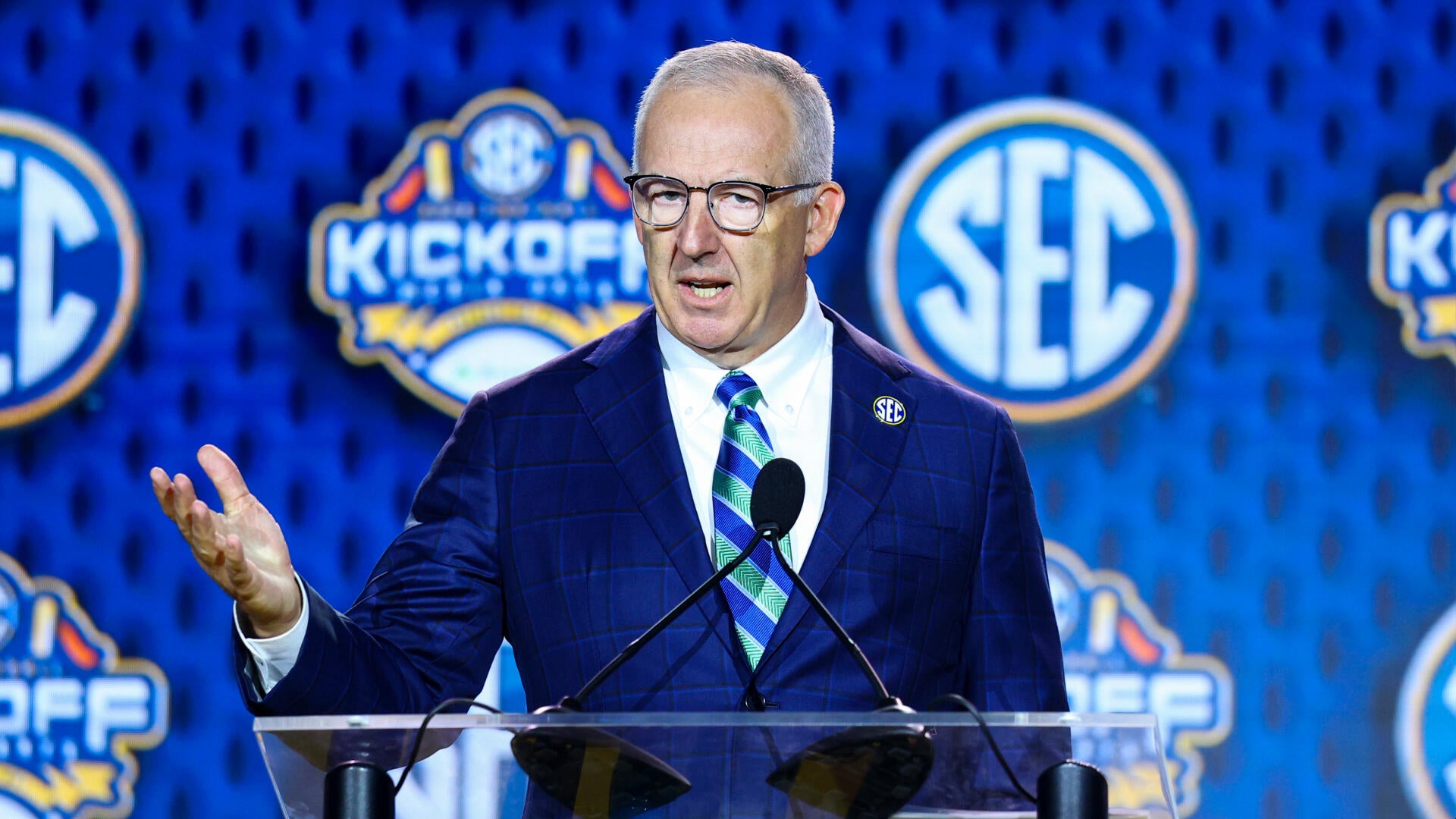
The influential Southeastern Conference (SEC), a titan of American college sports, is once again stoking speculation about a potential secession from the National Collegiate Athletic Association (NCAA). This bold move, championed by SEC Commissioner Greg Sankey, marks a pivotal moment for collegiate athletics, raising questions about governance, financial models, and the very spirit of amateur sport across the United States. While Sankey’s overtures suggest a desire for greater autonomy, many, including analysis from CBS Sports NY, contend that a breakaway would be a misstep, diverting attention from critical reforms needed within the existing NCAA framework.
A High-Stakes Gamble for Collegiate Athletics
Sankey’s musings are not new territory for the SEC, an association renowned for its deep pockets and passionate fan bases, particularly in American football. The underlying sentiment is often that the SEC, given its significant financial contributions and broadcast pulling power, is constrained by the wider NCAA structure. Talk of forming an independent entity, perhaps with other like-minded powerful conferences, aims to unshackle these behemoths from what they perceive as antiquated rules and bureaucratic inefficiencies. Proponents argue this could lead to more agile decision-making, direct revenue streams, and a system more attuned to the commercial realities of elite college sports, potentially worth billions in Australian dollars annually.
However, this path is fraught with risk. An independent SEC, or a consolidated 'super league' of power conferences, could essentially create a two-tiered system. The rich would get richer, leaving hundreds of smaller institutions and less-resourced athletic programs in the dust. The competitive balance, already a delicate ecosystem, would be irrevocably skewed, potentially diminishing the broader appeal and developmental role of college sports across the nation. As CBS Sports NY aptly highlighted, such a schism could undermine the collective strength and shared identity that, for all its flaws, the NCAA still provides.
The Unfinished Business of NCAA Reform
Critics argue that Commissioner Sankey, with his considerable influence, could be a driving force for positive change within the NCAA rather than orchestrating an exodus. The NCAA faces undeniable challenges: evolving Name, Image, and Likeness (NIL) rules, the transfer portal frenzy, and ongoing legal battles over athlete compensation. These are complex issues that require collective action, not fragmentation. Sankey’s leadership within the existing structure could be instrumental in forging a new path, mediating between diverse interests, and safeguarding the future of all member institutions.
Indeed, the current landscape of college athletics is ripe for comprehensive reform. A unified front, addressing athlete welfare, fair compensation, and consistent regulatory frameworks across all divisions, would arguably serve the greater good. Instead of dismantling the house, the argument goes, key stakeholders like Sankey should be focused on renovating and strengthening its foundations, ensuring its long-term viability for both top-tier programs and smaller colleges alike.
Financial Imperatives vs. Institutional Responsibility
The allure of an independent SEC is undoubtedly tied to financial control. The conference already generates staggering revenues from television deals and sponsorships. A breakaway could allow them to retain even more of this wealth, distribute it among member schools as they see fit, and potentially create a league where athlete salaries are more openly negotiated. For institutions struggling to keep pace, the financial disparities would be immense, potentially forcing them out of top-tier competition or even jeopardising the existence of their athletic programs.
However, there’s an inherent institutional responsibility that comes with being a leader in collegiate sports. The NCAA, for all its imperfections, provides a national platform, a regulatory framework, and a sense of shared community for thousands of student-athletes. To abandon this for purely financial gain would be to disregard the broader ecosystem and the developmental role college sports plays in American society. The debate over the SEC's future isn't merely about conference power; it’s a profound discussion about the soul and structure of athletic competition for generations to come.