American football, a sport renowned for its bruising encounters, is currently grappling with a less visible but equally contentious battle off the field: the playing surface itself. A significant number of National Football League (NFL) players are amplifying calls for all stadiums to transition to natural grass, believing it offers a safer environment than artificial turf. However, this push is hitting a formidable roadblock, with the league office maintaining that injury statistics do not support players' concerns.
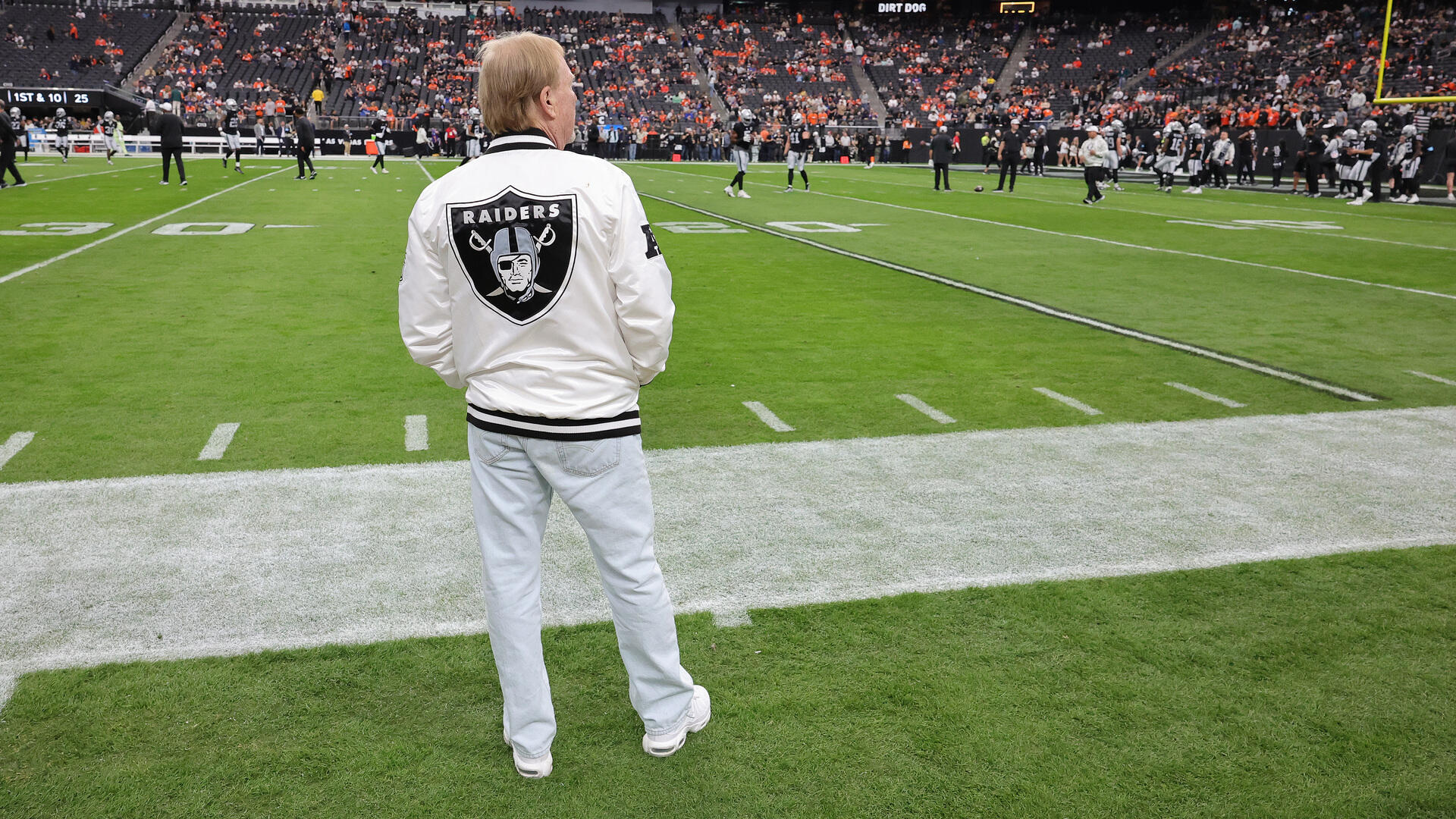
The debate, which has simmered for years, gained new momentum recently when Mark Davis, the owner of the Las Vegas Raiders, publicly sided with the NFL Players Association (NFLPA). Speaking on the contentious issue, Davis reportedly stated his belief that all NFL stadiums possess the capacity to accommodate and maintain natural grass fields, directly challenging implied logistical hurdles often cited by the league. His franchise, notably, plays on natural grass at Allegiant Stadium, a recent addition to the NFL's stadium roster, which many see as proof positive of the feasibility of such a transition across the league.
The Turf Advantage: Safety or Spectacle?
The NFLPA's stance is unequivocal: artificial turf contributes to a higher incidence of non-contact injuries, particularly those affecting the lower extremities. Players frequently recount tales of cleats getting 'stuck' in synthetic surfaces, leading to awkward twists and tears that are less common on natural grass. Anecdotal evidence among players points to a perceived harsher impact on joints and muscles over the course of a demanding season when playing on artificial surfaces. This sentiment is widespread, with many expressing a preference for the give and cushioning of real turf.
Conversely, the NFL's position, as reported by CBS Sports NY, is rooted in its own comprehensive injury data. The league has repeatedly asserted that its studies do not indicate a statistically significant difference in injury rates between games played on natural grass versus those on artificial turf. This contention forms the bedrock of their resistance to a blanket mandate for grass fields. The league has invested substantial sums in developing and testing various artificial surface technologies, some of which are marketed as being exceptionally durable and player-friendly.
Economic Realities and Maintenance Headaches
Beyond the raw injury data, the financial and logistical implications of converting stadiums to natural grass are significant. Installing and maintaining a natural grass pitch requires considerable investment, including advanced irrigation systems, dedicated groundskeeping crews, and often, significant adjustments to stadium infrastructure. For multi-purpose venues that host a variety of events, from concerts to other sporting competitions, artificial turf offers unparalleled durability and the ability to withstand heavy use without degradation, a factor that venue operators weigh heavily. The cost of a new, top-tier artificial turf field can range from approximately $ACD 700,000 to over $ACD 1.5 million, with maintenance costs generally lower than those for natural grass. Converting and maintaining natural grass could potentially double or even triple these figures over time.
A League Divided: Player Welfare vs. Business Interests
This ongoing turf war highlights a fundamental tension between player welfare and the broader business interests of the NFL. While the league often touts its commitment to player safety, the financial implications and operational flexibility offered by artificial turf are undeniable. The players, however, view their bodies as their livelihood and believe that moving to natural grass is a tangible step towards mitigating career-threatening injuries. The league's argument that data doesn't support the player's claims is increasingly being met with scepticism from those who experience the physical toll firsthand.
The Australian Parallel: A Greener Pitch Down Under?
While the NFL's 'turf war' is an American issue, the debate over playing surfaces resonates with professional sports organisations globally. In Australia, for example, major codes like the NRL and AFL predominantly utilise natural grass pitches, often lauded for their quality. However, multi-purpose stadiums do exist where debates over natural versus synthetic surfaces occasionally surface, particularly in relation to cost, maintenance, and player safety. The NFL's current predicament serves as a pertinent case study in the complex interplay between athletic performance, injury prevention, and the economic realities of professional sport.