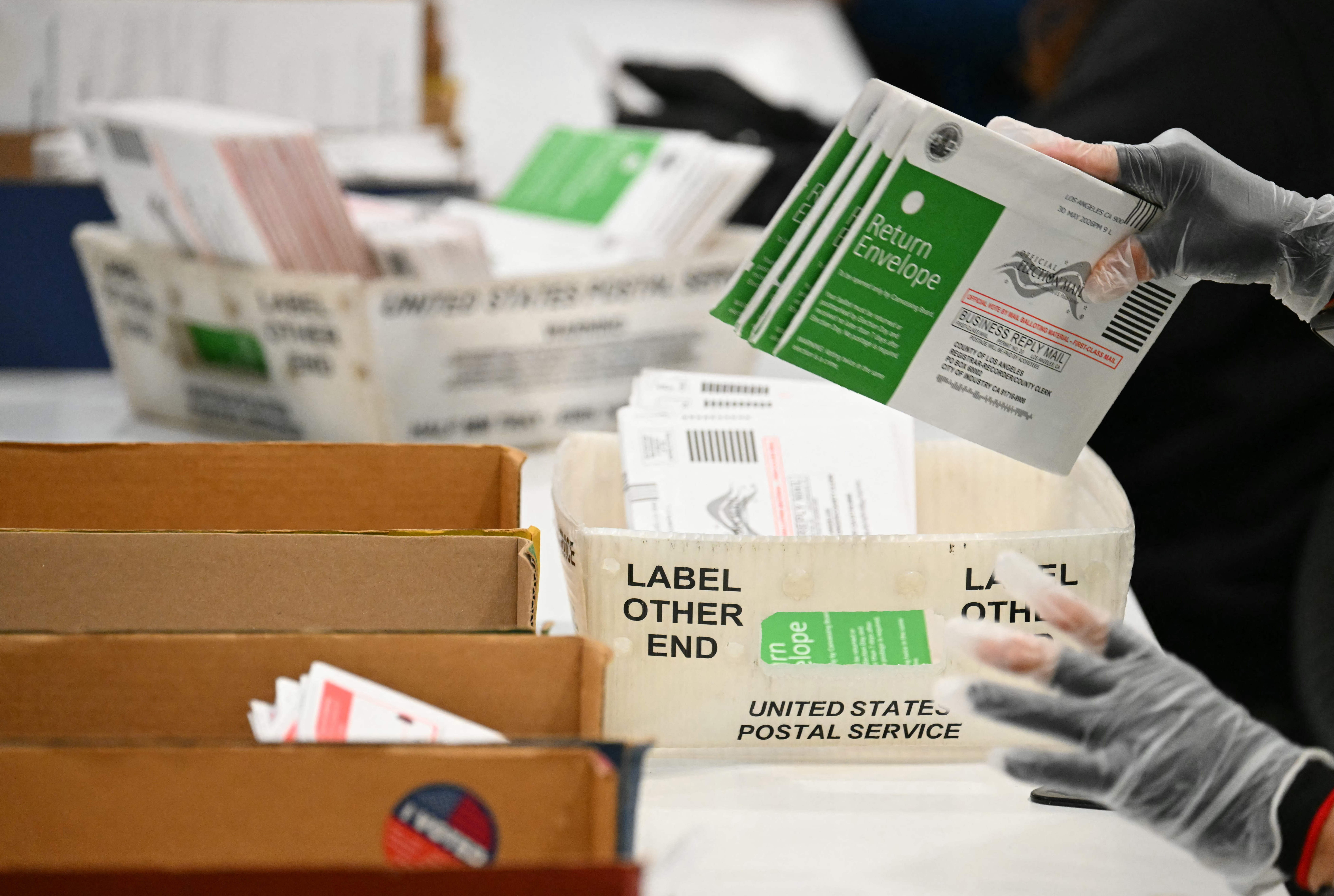
WASHINGTON D.C. – In a pivotal ruling affecting the integrity of the upcoming American midterm elections, the U.S. Supreme Court has emphatically rejected a Trump administration request to implement new restrictions on mail-in voting. The decision, handed down this week, upholds existing electoral processes and offers a reprieve to millions of voters who rely on postal ballots.
The high court's refusal to intervene means that attempts by the former administration to curtail postal voting, particularly under a proposed U.S. Postal Service (USPS) plan, will not proceed for this year's crucial elections. This marks a significant victory for voting rights groups and a setback for conservative factions who have increasingly sought to tighten access to the ballot box, often citing unsubstantiated concerns about electoral fraud.
Safeguarding Ballot Access
The Trump administration had sought to impose limitations, ostensibly for efficiency, that critics argued were designed to suppress voter turnout, especially among demographics more likely to vote by mail. These proposed changes, often framed as measures to improve election security, included tighter deadlines for ballot receipt and altered collection methods, which could have disproportionately affected voters in rural areas or those with limited access to polling stations.
Advocates for voting by mail have long pointed to its importance in ensuring broad participation, particularly for military personnel stationed abroad, citizens living overseas, and those with disabilities or health concerns. The Supreme Court's decision essentially maintains the status quo, ensuring that these pathways to democratic engagement remain unencumbered as the nation gears up for a highly anticipated electoral contest.
Political Battleground Over Ballots
The push to restrict postal voting has been a contentious issue in American politics for several years, intensifying significantly during and after the 2020 presidential election. Then-President Trump frequently criticised mail-in voting, alleging widespread fraud without credible evidence, thereby eroding public trust in the system. His administration's attempts to modify USPS operations in the lead-up to the 2020 election also drew sharp criticism, with many arguing that these actions aimed to hinder ballot delivery.
This latest legal skirmish highlights the ongoing ideological battle over how Americans cast their votes. While Republicans generally argue for stricter voting laws to prevent fraud, often championing in-person voting with photo identification, Democrats and voting rights organisations contend that such measures disenfranchise eligible voters and disproportionately affect minority communities. This ruling by the Supreme Court sends a clear signal that, for now, the expansive approach to voting access will prevail.
Implications for the Midterms
With the midterm elections fast approaching, the Supreme Court's decision has immediate practical implications. It ensures that state and local election officials will continue to operate under established mail-in voting rules, avoiding last-minute changes that could confuse voters and complicate ballot processing. This clarity is particularly valuable in a political climate already charged with partisan tension.
NPR National reported that the rejection of the Trump administration's request is expected to bolster voter confidence among those who prefer or require mail-in ballots. For many Australians observing the American political landscape, the ruling underscores the critical role of the judiciary in upholding electoral norms, especially when foundational democratic processes become central to heated partisan debate. The decision provides a level of certainty as the United States prepares for an election that will shape the balance of power in Congress and influence national policy for years to come.