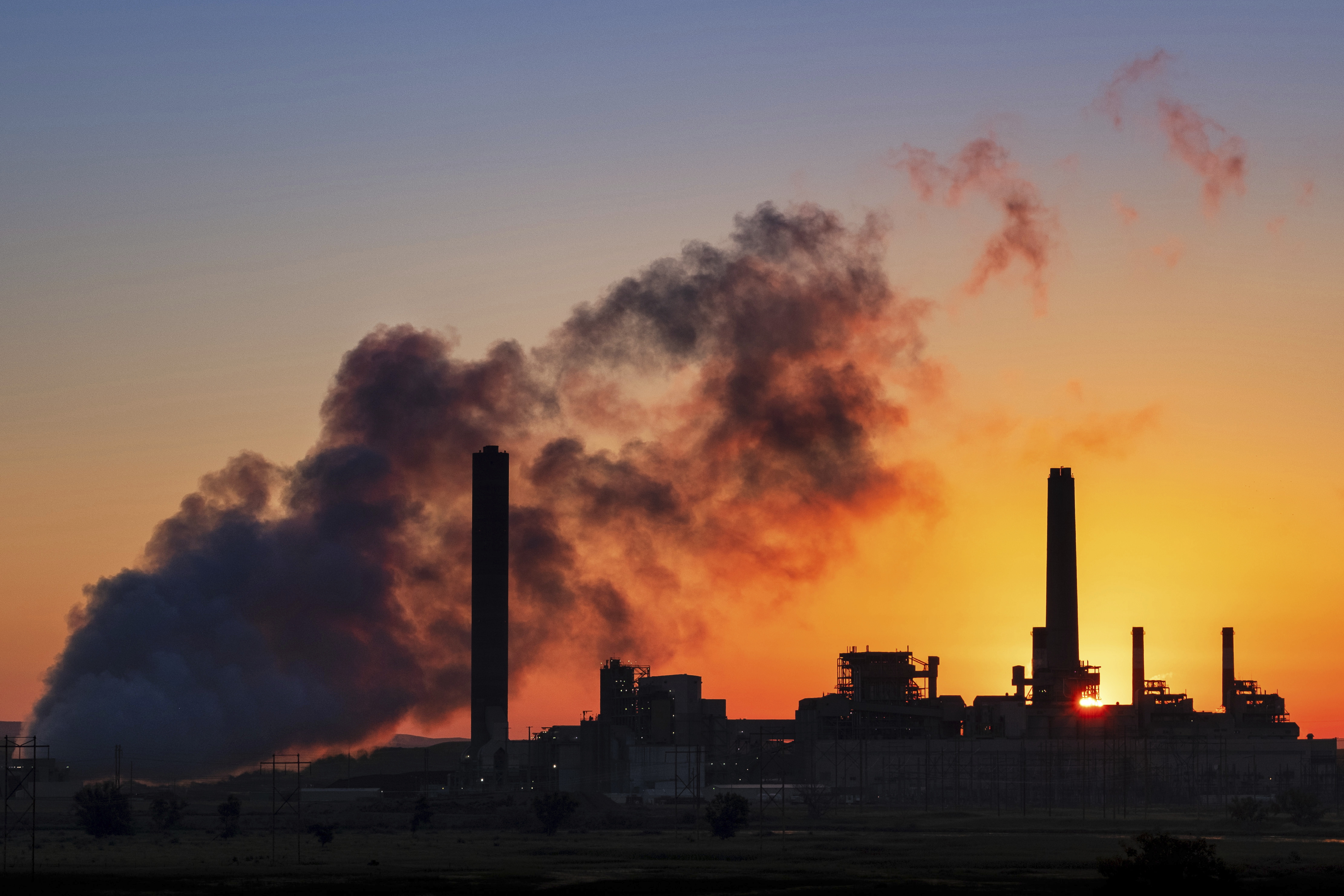
In a move poised to reshape the global fight against climate change, the United States Environmental Protection Agency (EPA) under President Donald Trump has officially repealed federal limits on carbon dioxide emissions from the nation's fossil fuel power plants. The sweeping rollback, which replaces a cornerstone Obama-era initiative, has been met with immediate condemnation from environmental groups and health advocates both domestically and abroad.
The previous regulations, known as the Clean Power Plan, aimed to curb greenhouse gas emissions from coal and gas-fired electricity generators, compelling states to shift towards cleaner energy sources. Its repeal marks a significant step in the Trump administration's broader agenda to deregulate industries and boost domestic fossil fuel production, despite widespread scientific consensus on the urgency of reducing carbon emissions.
Unravelling Obama-Era Climate Action
President Trump had long pledged to dismantle the Clean Power Plan, which he consistently labelled an example of overreaching government regulation that stifled economic growth. The new directive, referred to as the Affordable Clean Energy (ACE) rule, significantly weakens the federal government's authority to regulate power plant emissions. Instead of setting statewide emission targets, the ACE rule focuses on plant-specific efficiency improvements, which critics argue will have negligible impact on overall carbon output and could even incentivise coal plants to operate longer.
This policy shift aligns with the US withdrawal from the Paris Agreement, further signalling the administration's departure from international climate commitments. While the legal battle over the Clean Power Plan was ongoing, the EPA's latest action effectively guts its intent, redirecting the agency's focus away from comprehensive emissions reduction at a national level.
Global Ramifications for Climate and Health
Environmental organisations and public health bodies have swiftly condemned the repeal, arguing it represents a serious setback for climate action and could lead to dire consequences. "This decision is a colossal backward step for our planet's future," stated one spokesperson for a leading US environmental lobby, adding that it would undoubtedly exacerbate global warming and increase air pollution.
NPR National reported that critics contend the new rule will allow hundreds of power plants to release increased levels of pollutants, contributing not only to climate change but also to smog, soot, and other airborne toxins known to cause respiratory illnesses, heart disease, and premature deaths. The economic implications are also being debated, with proponents arguing it will save energy companies money, while opponents highlight the long-term costs of climate-related disasters and public health burdens.
Australia's Stake in the US Energy Shift
While this policy change occurs on American soil, its repercussions are global, including for Australia. As a significant player in the international energy market and a nation highly vulnerable to climate change impacts, Australia watches US climate policy closely. The US, historically one of the world's largest emitters, sets a precedent, and a relaxation of its climate commitments could embolden other nations or lessen the pressure for more stringent action globally.
The move also highlights differing approaches to energy policy among major economies. As Australia grapples with its own energy transition, including debates over coal-fired power stations and renewable energy investment, the US decision underscores the complex political and economic forces at play in addressing climate change on a national and international scale.