
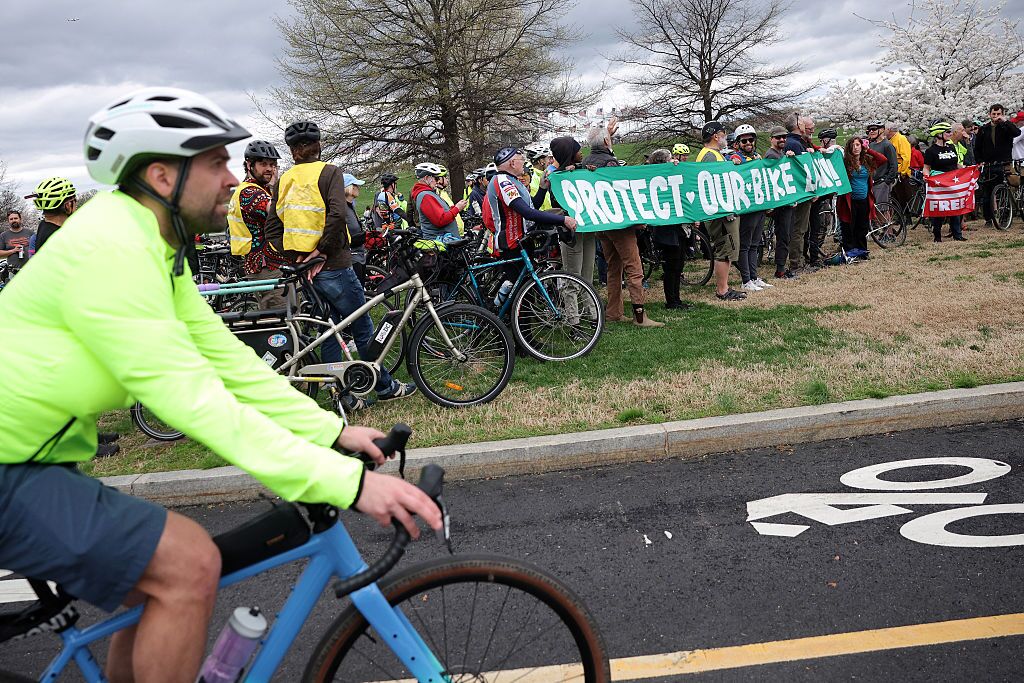
Washington D.C.: A concerning trend is emerging within the United States Department of Transportation (DOT), as officials are reportedly engaged in a concerted effort to remove mentions of bike lanes from federal websites. This quiet but expansive campaign has drawn sharp criticism from road safety advocates, who fear it erodes support for proven measures designed to protect cyclists and pedestrians.
According to an investigation by NPR National, a growing number of safety materials that once referenced bike lanes have been systematically taken down or altered on government web pages. This includes resources outlining best practices for urban planning and traffic management, as well as educational content for the public. The removals are not isolated incidents but appear to be part of a broader directive, leaving a noticeable void where advice on dedicated cycling infrastructure once stood.
Eroding a Proven Safety Measure
Bike lanes are widely recognised globally, including by Australian infrastructure experts, as a fundamental component of safe urban environments for cyclists. They create dedicated spaces, separating bicycles from motor vehicle traffic, which has been consistently shown to reduce the incidence and severity of crashes. Studies from numerous countries indicate that cities with extensive bike lane networks experience fewer cyclist fatalities and injuries, fostering greater participation in active transport.
Safety advocacy groups in the US are now sounding the alarm, arguing that the DOT's actions are actively undermining these proven safety measures. "Removing these references isn't just an editorial decision; it's a policy statement that downplays the importance of dedicated cycling infrastructure," noted a spokesperson for a prominent US cycling advocacy organisation, speaking generally about the implications for road safety. "It sends a message that bike lanes are not a priority, despite their demonstrated effectiveness in saving lives and preventing serious injuries."
Broader Implications for Urban Planning
The federal government plays a crucial role in providing guidance, funding, and technical assistance for state and local transportation projects across the United States. By systematically excising bike lane mentions, critics argue the DOT is effectively diminishing the perceived legitimacy and importance of such infrastructure, potentially influencing future urban planning and budget allocations at lower levels of government. This could have trickle-down effects, leading to fewer new bike lane projects and less emphasis on maintaining existing ones.
For Australian readers, imagine if Transport for NSW or VicRoads began removing all mentions of dedicated bus lanes or pedestrian crossings from their official guidelines – the impact on integrated transport planning and safety would be profound. The US situation presents a similar concern for cycling infrastructure, which is increasingly viewed as integral to modern, sustainable urban design.
A Puzzling Direction for Public Safety
What motivates this shift remains unclear, as the DOT has not publicly articulated a rationale for the systematic removal of these references. Safety advocates express bewilderment, particularly given the global push towards more active transport options and the clear evidence supporting bike lanes as a cornerstone of road safety. The move is seen as particularly perplexing given the rising interest in cycling as both a recreational activity and a viable commuter option in many American cities.
Australian cities, like Sydney and Melbourne, have in recent years invested millions of Australian dollars in expanding their cycling networks, recognising the health, environmental, and congestion-reducing benefits, alongside the primary goal of enhancing commuter safety. The direction taken by US federal authorities appears to run counter to this international trend towards safer, more integrated cycling infrastructure.
Critics contend that rather than removing resources on proven safety measures, federal agencies should be actively promoting them. The current approach, they warn, risks rolling back years of progress in road safety and could ultimately contribute to a more dangerous environment for cyclists across the United States.


