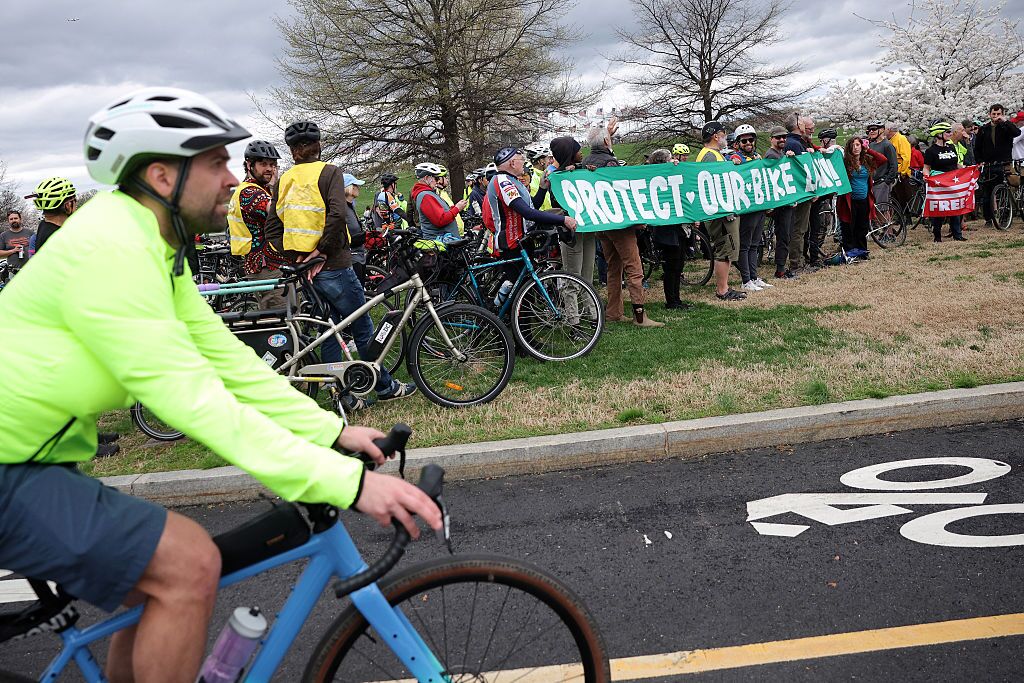
A controversial directive from within federal transport departments has seen the systematic removal and editing of online safety materials that reference bicycles or dedicated bike lanes, sparking a significant backlash from road safety advocates across the nation. Critics argue this move is a dangerous step backward, actively dismantling years of progress in promoting safer road environments for all users.
While federal officials have remained tight-lipped about the directive, the purge has been described as a "craning up" of efforts to strip these references, raising serious questions about the government's commitment to cyclist safety. Safety advocates are warning that this quiet but widespread editing undermines proven measures for reducing crashes and could lead to a rise in incidents, particularly in urban areas where cycling is becoming an increasingly popular mode of transport.
Silence from the Corridors of Power
The federal Department of Infrastructure and Regional Development has yet to issue a public statement or explanation for the directive, leaving many to speculate about the motivations behind such a sweeping change. Emails and phone calls to departmental representatives by the Sydney Daily News seeking clarification went unanswered, reinforcing concerns among advocates about a lack of transparency. The move is particularly perplexing given the growing emphasis on active transport options in many state and local government strategies, often supported by federal funding initiatives.
NPR National reported a similar pattern emerging in the United States, where federal transportation officials have also pulled down and edited online safety materials. This international parallel suggests a potentially coordinated or ideologically driven approach to road safety guidelines, rather than simply an administrative oversight.
Eroding Trust and Endangering Lives
Road safety organisations across Australia have voiced their dismay, with many expressing fears that the decision will have tangible, negative consequences. Dr. Emily Chen, a spokesperson for Bicycle NSW, lambasted the move as "irresponsible and short-sighted." "By removing references to bike lanes and bicycles, the federal government is effectively erasing a significant portion of our road users from the narrative of safety," she stated. "This doesn't make cyclists disappear; it just makes them more vulnerable by denying the need for specific, informed safety guidance that acknowledges their presence and infrastructure."
Advocates point out that dedicated bike lanes and clear guidance on how drivers and cyclists can safely share the road are not mere suggestions but crucial components of reducing road trauma. The removal of such content from federal resources could, they argue, inadvertently signal to some road users that cyclists are less of a consideration, leading to increased tensions and potentially more accidents.
A Disconnect with Modern Transport
This federal directive appears to be at odds with the evolving landscape of Australian urban planning and transport policy. Many councils and state governments are actively investing tens of millions of Australian dollars into expanding bike lane networks and promoting cycling as a sustainable and healthy transport option. For example, the NSW Government alone has committed over $600 million to active transport infrastructure in recent years. The federal government's decision to effectively 'un-recognise' these efforts in its safety messaging creates a confusing and potentially dangerous mixed message.
Furthermore, as petrol prices remain volatile and environmental concerns grow, the number of Australians choosing to cycle for commuting and recreation is steadily increasing. Stripping safety materials of bicycle-specific advice fails to acknowledge this demographic shift and the accompanying need for comprehensive, inclusive safety resources tailored to all road users. Without federal leadership in promoting inclusive safety, states and territories may find their own efforts diluted.
The Path Forward: Reinstating Inclusivity
Road safety organisations are now calling on the federal government to immediately reverse its decision and reinstate the removed content. They argue that a truly comprehensive national road safety strategy must acknowledge and provide guidance for all modes of transport, including cycling. A collaborative approach, involving input from cyclist advocacy groups, urban planners, and transport experts, is crucial for developing genuinely effective and inclusive safety campaigns.
Until then, advocates are advising cyclists to remain vigilant and are redoubling their own efforts to disseminate safety information, urging state and local governments to step up and fill the void left by this puzzling federal policy shift. The message is clear: ignoring a significant portion of road users in safety guidelines is not only negligent but potentially deadly.