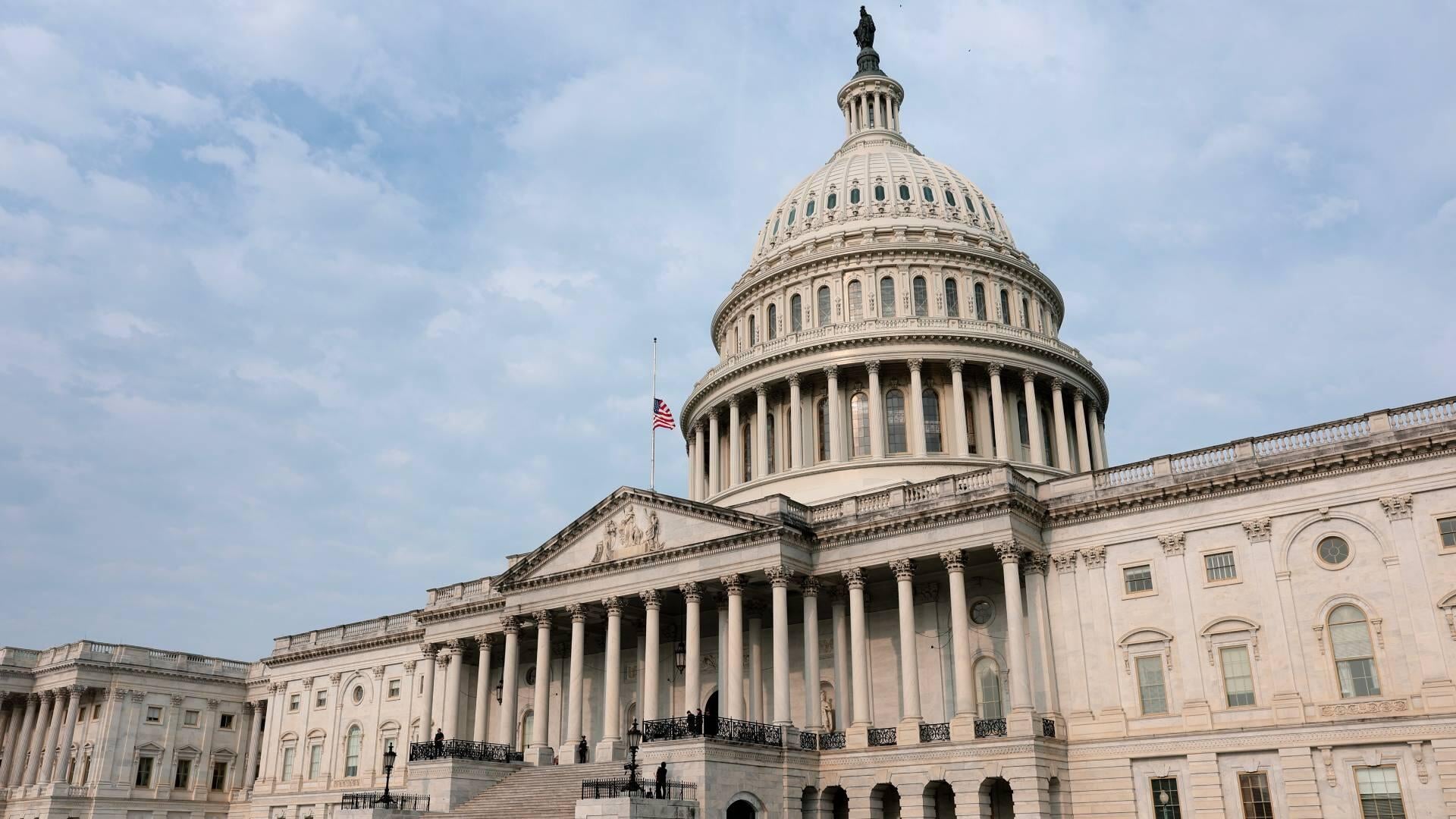
Washington D.C. — As the clock ticks down to the August congressional recess, powerful US collegiate sports conferences, including the Big Ten and the Southeastern Conference (SEC), are reportedly in a high-stakes waiting game, anticipating the final language of crucial legislation poised to reshape the landscape of university athletics.
For years, the National Collegiate Athletic Association (NCAA) – the primary governing body for college sports – has grappled with the implications of 'Name, Image, and Likeness' (NIL) rules. Introduced in 2021, these rules permitted student-athletes to profit from endorsements and other commercial activities, a landmark change that effectively ended the long-held amateurism model. While intended to empower athletes, the ensuing free-market frenzy, particularly in high-profile sports like American football and basketball, has led to calls for federal intervention, with concerns ranging from competitive imbalance to a lack of transparency and player protections.
The Wild West of NIL Deals
Before NIL, Australian student-athletes would understand the US collegiate system as a pathway to elite sports, often with scholarships covering education and living expenses, but strictly prohibiting direct payment for their sporting prowess. However, the advent of NIL has transformed this. Now, an 18-year-old star quarterback at a major university can, ostensibly, sign endorsement deals worth millions of Australian dollars, far surpassing the value of an athletic scholarship. CBS Sports NY has reported extensively on the rapid evolution of this framework, highlighting how quickly NIL opportunities, often facilitated by donor-funded 'collectives', have become pivotal in recruitment and player retention. These collectives pool money from alumni and boosters to create NIL opportunities for athletes, effectively operating as quasi-salary caps in all but name, profoundly influencing where top talent chooses to play.
Congressional Intervention Looms
The impetus for federal legislation stems from a consensus among many stakeholders that the NCAA, a non-profit organisation, is ill-equipped to uniformly regulate the vast sums of money now flowing through college sports. Conferences and individual universities have struggled to navigate state-by-state variations in NIL laws, leading to a patchwork of regulations and what many describe as an unfair playing field. The proposed federal bill aims to standardise NIL rules across all states, offering a clearer, more consistent framework. Key provisions being discussed include the establishment of a national NIL standard, enhanced transparency requirements for deals, and potentially, some form of federal oversight body to administer these regulations.
Sources close to the negotiations suggest the final bill language is being meticulously crafted to balance the interests of athletes, universities, and conferences. There's a delicate dance to ensure athletes retain their rights to profit from their NIL, while simultaneously reining in some of the more egregious practices that have emerged, such as direct payments for transfers between universities, which effectively resemble professional player trades but without robust regulations.
A New Era for University Athletics?
Should the legislation pass before Congress departs for its August recess, it would represent the most significant federal intervention in US college sports history. The impact on Australian student-athletes considering a US college pathway could be substantial. A more regulated environment might offer greater financial clarity and protection, but could also alter recruitment dynamics. While the specifics are still under wraps, the sentiment from key conferences like the Big Ten and SEC indicates a readiness to embrace a more structured approach, even if it means sacrificing some of the current freewheeling autonomy. The overarching goal is to inject a degree of stability and predictability into a system that has, for the past two years, been likened to the Wild West, creating an environment where fair play extends beyond the sporting arena to the financial dealings of its young stars.