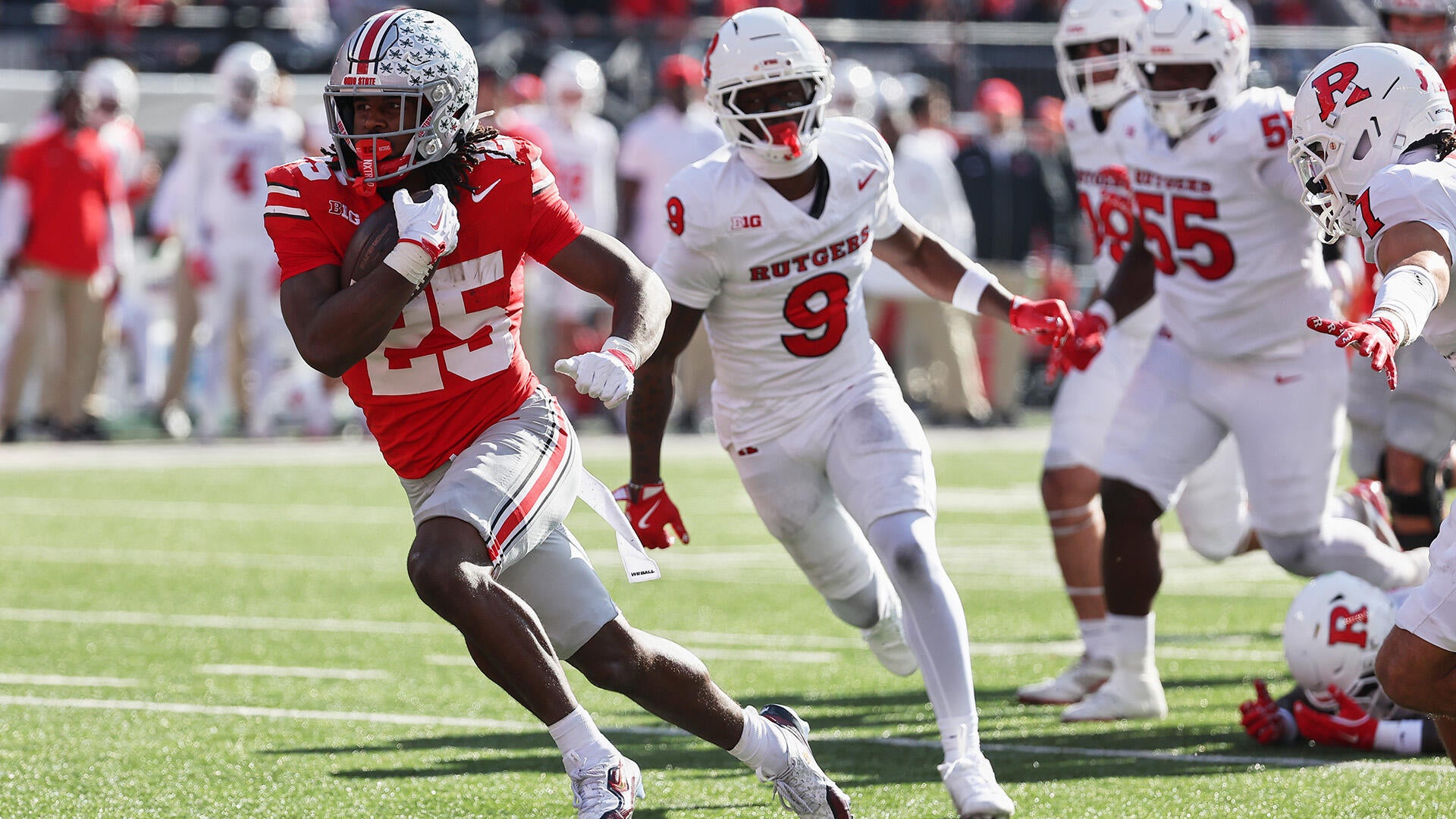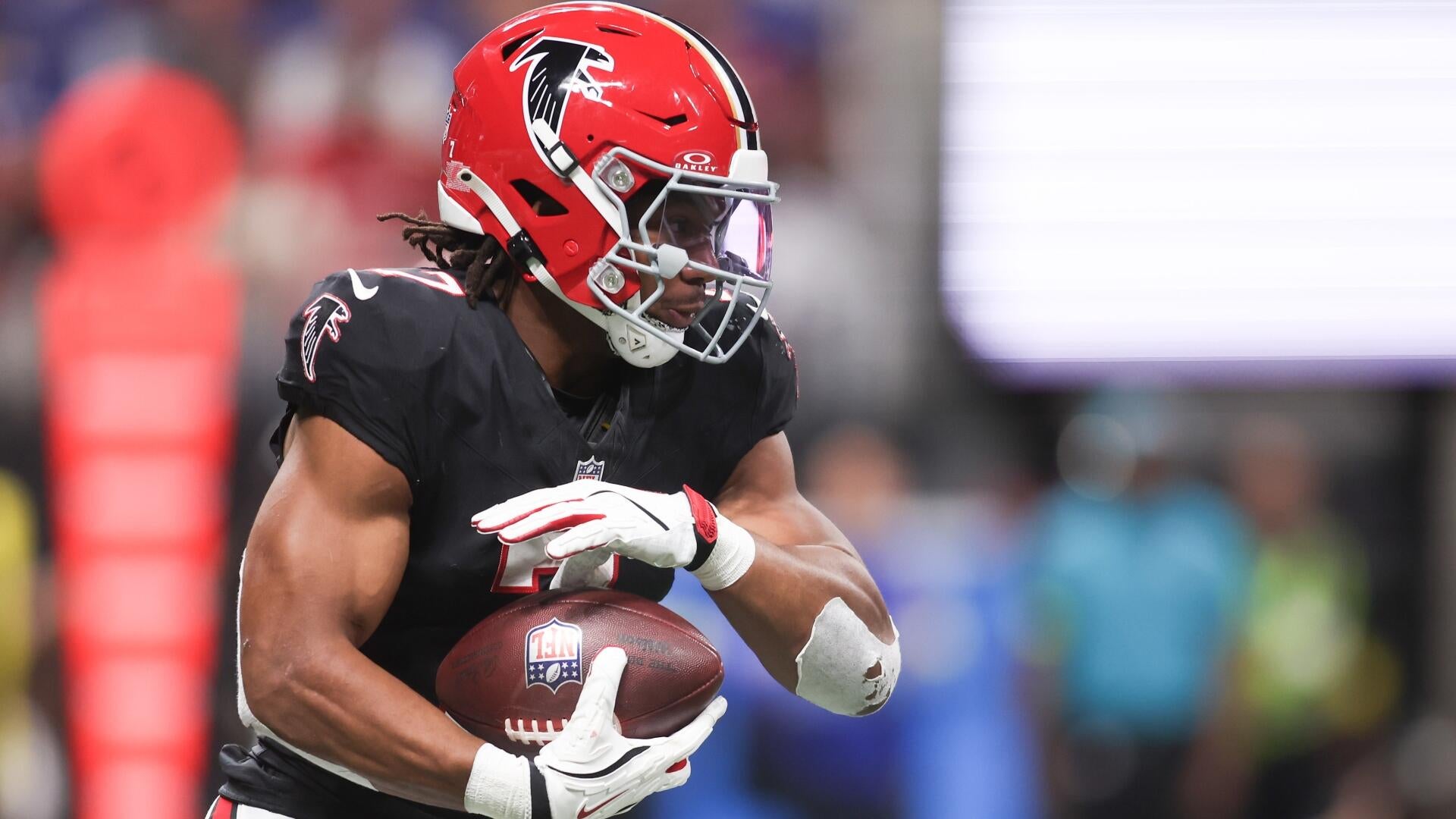
As the chill of winter gives way to the burgeoning excitement of the fantasy football season, Australian managers are meticulously poring over draft strategies, with the running back position once again dominating pre-season discussions. This year, however, presents a unique conundrum, as expert analysis suggests a departure from conventional wisdom, offering a smorgasbord of options that could either make or break a team's championship aspirations.
CBS Sports NY, a leading voice in American sports analysis, recently released Dave Richard's 'ultimate step-by-step guide for drafting running backs in your 2026 Fantasy Football leagues.' The key takeaway? Managers have more flexibility and strategic choices than ever before when it comes to filling out their backfield, moving beyond the entrenched 'robust RB' or 'zero RB' philosophies.
The Evolving Landscape of the Running Back
Historically, running backs were the bedrock of most fantasy rosters, often snatched up in the first few rounds as managers sought guaranteed production. However, the NFL's increasing shift towards pass-heavy offences, coupled with a higher incidence of injuries at the position, has muddied the waters. CBS Sports NY highlights that the 2026 talent pool is remarkably deep, featuring a blend of undisputed superstars, reliable veterans, and tantalising rookies. This depth means that while top-tier backs remain valuable, managers aren't necessarily handicapped by missing out on the absolute elite early on.
Dave Richard's guide suggests a move away from rigid, pre-determined draft plans, instead advocating for adaptability. For instance, if a prized wide receiver or tight end falls unexpectedly, managers are encouraged to seize that value, confident they can still secure a quality running back in later rounds. This flexibility is a significant departure from previous seasons, where the fear of a 'running back drought' often led to panicked early-round selections.
Value vs. Volume: A Balancing Act
The guide delves into the intricate balance between a running back's perceived value and their anticipated volume of touches. Some backs, while undeniably talented, may be part of a committee approach, limiting their fantasy upside. Others, perhaps less explosive, are workhorses poised for significant carries and targets, making them fantasy gold. CBS Sports NY advises managers to look beyond raw talent and consider a player's role within their team's offensive scheme. Understanding coaching tendencies and offensive line strength is paramount this year, as these factors can dramatically impact a running back's weekly output.
Furthermore, the article touches upon the 'handcuff' strategy – drafting a backup running back who would step into a starting role should the primary back suffer an injury. With the increased fragility of the position, this tactic is gaining traction, offering a relatively inexpensive insurance policy that could pay dividends late in the season, potentially saving thousands of AUD in hypothetical waiver wire bidding wars.
The Rookie Wildcard and Veteran Reliability
The 2026 cohort of rookie running backs is described as particularly promising by CBS Sports NY, offering high ceilings but also inherent risk. Managers opting for these unproven talents are advised to balance their rosters with more established players. Conversely, a cadre of veteran running backs, while perhaps past their prime, still offer consistent, albeit not spectacular, production. These veterans can be excellent value picks in the middle to late rounds, providing a solid floor for a fantasy team.
Ultimately, the enduring appeal of fantasy football lies in its blend of skill, strategy, and sheer luck. While no guide can guarantee a championship, the comprehensive insights offered by CBS Sports NY provide Australian fantasy managers with a robust framework for navigating the 2026 running back draft. The message is clear: be prepared, be flexible, and understand that in this evolving landscape, every draft pick for a running back could be a game-changer.