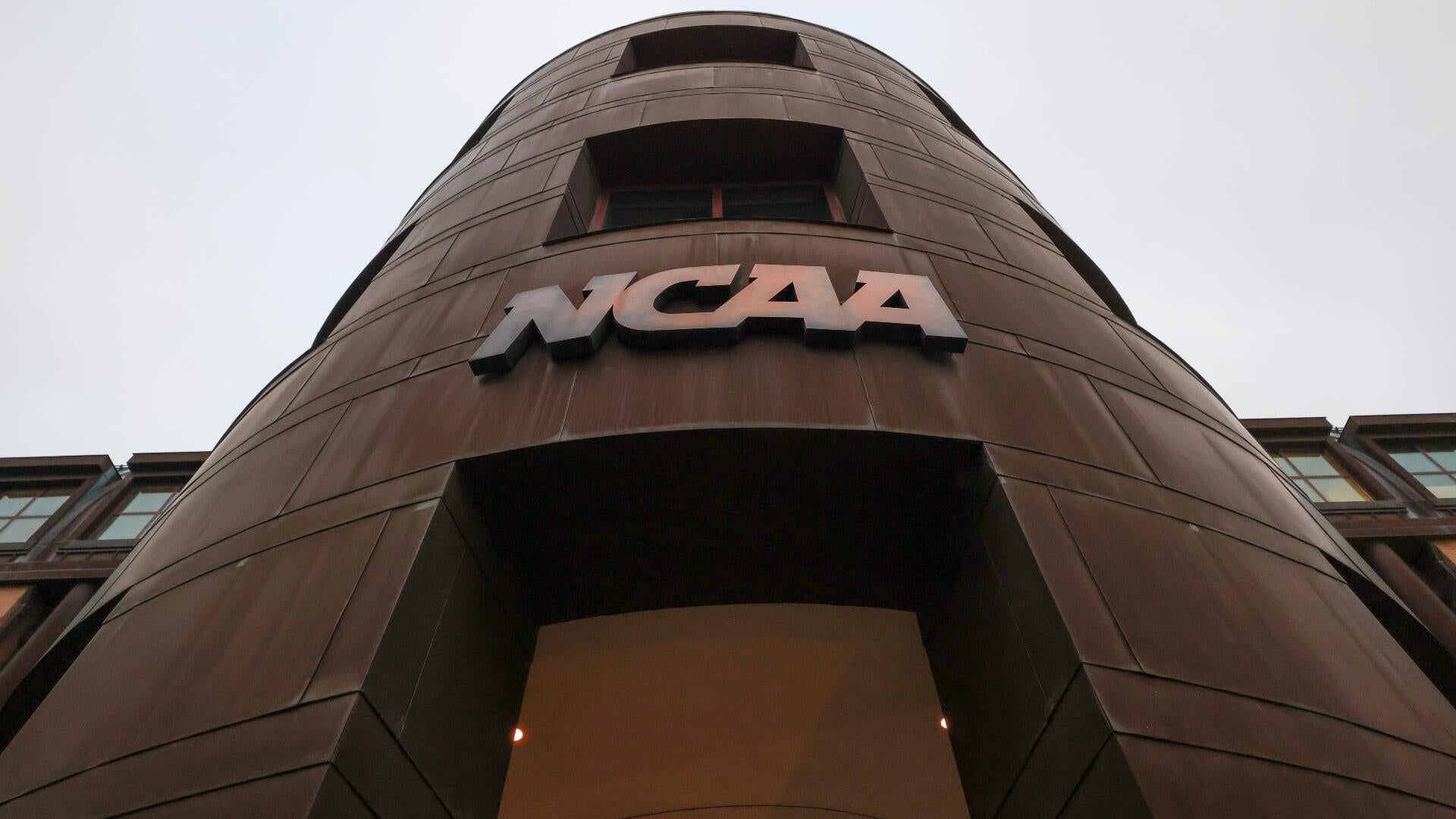
Denver, USA — American college sports are bracing for unprecedented upheaval after a Colorado federal judge issued a bombshell injunction, potentially granting a fifth year of athletic eligibility to thousands of recently graduated student-athletes. The ruling, delivered late yesterday, has been described by CBS Sports NY as opening a “chaotic transfer portal window” in August, fundamentally altering recruitment and team rosters across the National Collegiate Athletic Association (NCAA).
Judge John F. D. Jones’s decision effectively extends the playing careers of athletes whose four years of eligibility concluded at the end of the recent academic year. This unexpected lifeline means a significant cohort of seasoned players, many of whom had already accepted professional contracts, begun graduate studies, or entered the workforce, could now re-enter the collegiate arena. The immediate implications for athletic departments, coaches, and current recruits are immense, creating a logistical and financial headache for institutions across all divisions.
Eligibility Boom Spurs Player Rush
The injunction stems from a class-action lawsuit filed by a group of former collegiate athletes, arguing that the NCAA's eligibility rules unfairly restricted their ability to capitalise on their athletic prime, particularly given disruptions caused by the COVID-19 pandemic. While not directly citing the pandemic, the judge's ruling appears to acknowledge the evolving landscape of amateur sports and the increasing commercial value of college athletes.
Experts predict a frantic scramble in August as universities navigate an unexpected influx of available talent. For many programs, this presents an opportunity to bolster rosters with experienced players at no additional scholarship cost for the initial year, as the ruling may bypass traditional scholarship limits. However, it also means potentially displacing current scholarship holders or promising incoming freshmen, leading to difficult decisions for coaching staff and athletic directors. The sheer volume of potential transfers could overshadow previous record-breaking transfer portal periods, transforming what is usually a quieter recruitment month into a high-stakes, high-pressure environment.
Financial and Roster Ripple Effects
The financial ramifications for NCAA institutions are still being assessed. While an additional year of eligibility might not directly incur new scholarship costs for the returning players if they are on existing institutional grants, the broader impact on budgeting, facilities, and academic support could be substantial. Universities will need to rapidly re-evaluate their athletic budgets, potentially diverting funds from other programs or seeking emergency allocations to accommodate larger rosters.
Furthermore, the ruling introduces significant roster management challenges. Coaches who had meticulously planned their squads years in advance now face the prospect of unexpected additions, forcing them to reconsider team dynamics, playing time distribution, and overall strategy. The flow-on effect for Australian athletes currently pursuing scholarships in the US is also a concern. Increased competition for roster spots from returning American graduates could make it even harder for aspiring Aussies to secure coveted positions in various sports.
A Legal Precedent and Uncertain Future
The judge’s decision sets a powerful legal precedent, challenging the NCAA’s long-held authority over athlete eligibility and amateurism rules. It reflects a broader national trend in the US of increased judicial scrutiny over collegiate athletic governance, particularly concerning athlete welfare and economic opportunities. While the NCAA is expected to appeal the injunction, its immediate effect means the August transfer window is almost certain to proceed with these new parameters.
CBS Sports NY highlighted the unprecedented nature of this situation, noting that college sports had “never seen anything like it.” The next few weeks will be critical as universities race to understand the full scope of the ruling and formulate strategies to capitalise on, or simply survive, the impending August eligibility boom. For fans, it promises an intriguing, albeit chaotic, new chapter in the ever-evolving world of American college athletics.