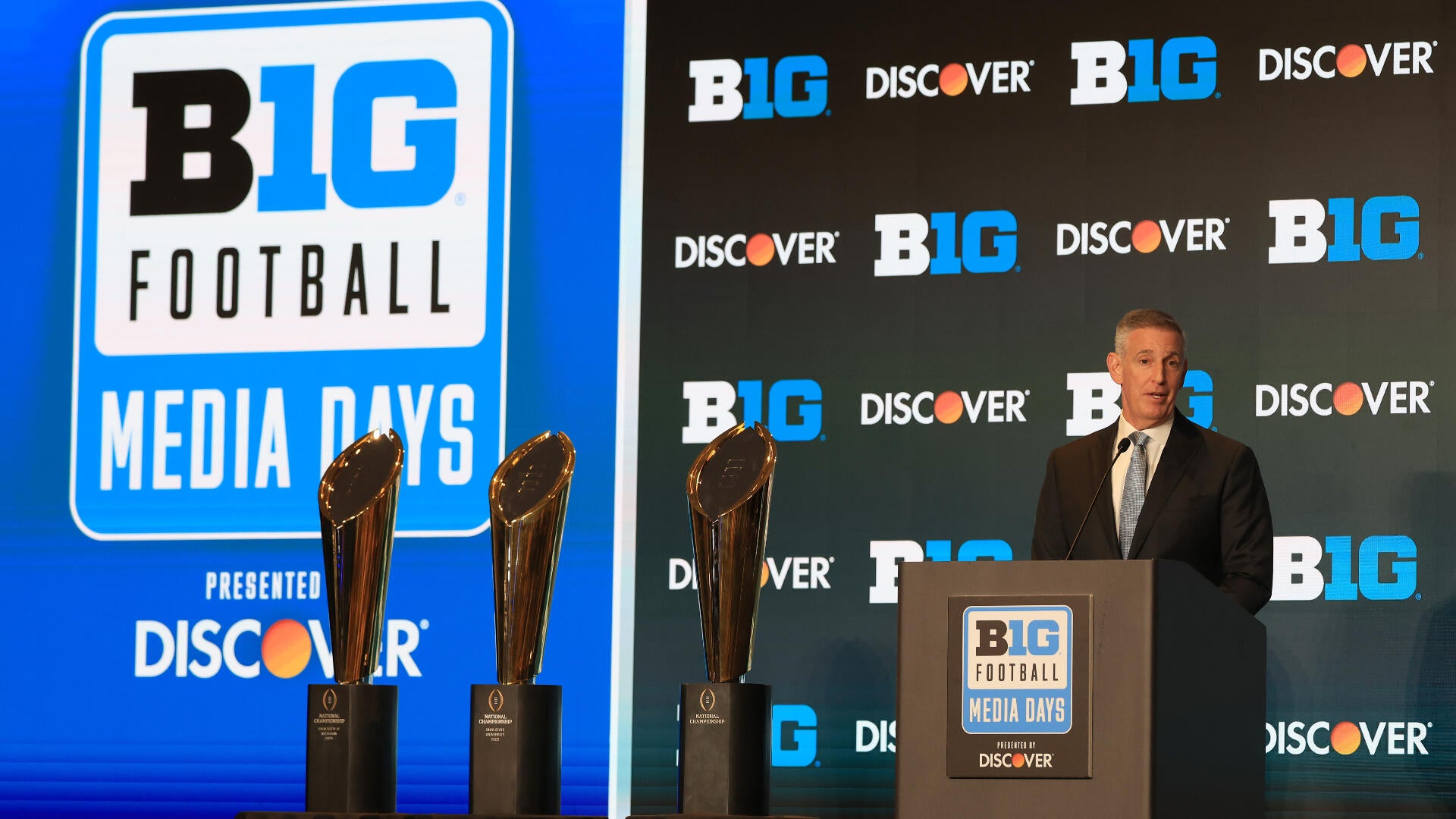
In a significant development that could reshape the landscape of American collegiate athletics, the Big Ten and Southeastern Conference (SEC) have jointly thrown their support behind the proposed Protect College Sports Act. This unified stance, reached after separate conference calls on Friday, breathes new life into the landmark federal legislation, aiming to establish a consistent national framework for athlete compensation and eligibility.
The powerful endorsement from two of the US's wealthiest and most influential athletic conferences signals a growing consensus among university powerbrokers who have grappled with the implications of the Name, Image, and Likeness (NIL) era. Since the Supreme Court's 2021 ruling that allowed athletes to profit from their NIL, a fragmented system has emerged, with varying state laws creating an uneven playing field and significant compliance headaches for universities.
A Bid for Federal Intervention
The Protect College Sports Act seeks to supersede this labyrinthine patchwork of state-level regulations with a single, comprehensive federal standard. Proponents argue this is essential for maintaining competitive balance, ensuring athlete welfare, and providing much-needed clarity for institutions navigating the complex world of amateur sport and commercial endorsements. Without a federal solution, the concern is that the current environment fosters an unregulated 'wild west' that could ultimately undermine the integrity and amateur status of college sports. CBS Sports NY reported on the initial agreement reached by the conferences.
Historically, the National Collegiate Athletic Association (NCAA) and its member conferences have resisted federal intervention. However, the rapidly evolving NIL landscape, coupled with ongoing antitrust challenges and the looming threat of further legal action, appears to have shifted their collective position. The economic stakes are enormous, with college sports generating billions of US dollars annually, and the conferences are keen to protect these lucrative enterprises.
Addressing the "Pay-for-Play" Dilemma
One of the central tenets of the proposed legislation is to differentiate between NIL compensation and direct "pay-for-play" arrangements. While supporting athletes' ability to profit from their personal brand, the conferences are keen to prevent a system where recruits are directly paid by universities or boosters simply to play. The bill is expected to include provisions that would explicitly prohibit such practices, maintaining a semblance of the traditional amateur model while acknowledging the commercial realities of modern college sport. Critics, however, argue that this distinction is becoming increasingly blurred under the current NIL rules, where large sums are often exchanged to entice athletes to specific institutions.
Safeguarding Athletic Programs
For many smaller universities and athletic programs, the current NIL environment poses a significant threat. Without the deep pockets of the Big Ten or SEC institutions, they struggle to compete for top talent, exacerbating existing disparities. A federal framework, proponents hope, could introduce guardrails that prevent an unchecked arms race for athletes, potentially including revenue-sharing models or collective bargaining provisions that could benefit a wider range of athletes and institutions. The hope is that a unified national approach would prevent the collapse of less resourced programs that cannot compete with the significant financial offers available at larger, more prominent universities.
The Road Ahead
While the joint support from the Big Ten and SEC is a powerful signal, the Protect College Sports Act still faces a challenging path through the US Congress. Previous attempts at federal NIL legislation have stalled due to partisan divisions and disagreements over key provisions, including whether athletes should be considered employees and the scope of antitrust exemptions for the NCAA. However, with the unified front from these influential conferences, there is renewed optimism that lawmakers may finally be compelled to act, providing a stable and equitable future for the US's beloved, yet increasingly complex, college sports ecosystem.