The landscape of American college football is being dramatically redrawn by the 'transfer portal', with a fresh analysis suggesting that a host of teams, boasting more than a dozen new starters each, are now primed for a run at the 2026 College Football Playoff (CFP).
CBS Sports NY recently threw a spotlight on ten such programs, highlighting how this unprecedented player movement is fast-tracking rebuilds and creating new contenders. This trend marks a significant departure from traditional recruitment pathways, with coaches increasingly relying on poaching established college talent rather than exclusively developing high school draftees.
The New Arms Race: Raiding the Portal
The transfer portal, a relatively new mechanism allowing student-athletes to switch universities without penalty, has transformed college football into a high-stakes free-market system. Teams are now openly competing for seasoned players, offering lucrative Name, Image, and Likeness (NIL) deals – a form of payment for endorsements and appearances, which can sometimes reach figures well into the hundreds of thousands of Australian dollars – to entice top-tier talent. This aggressive recruitment has led to a fascinating phenomenon: entire starting line-ups being overhauled in a single offseason.
Historically, a team with a dozen new starters would be viewed as being in a significant rebuilding phase, with expectations tempered. However, the calibre of players entering the portal means that these aren't raw recruits, but often proven performers looking for a fresh start or a better fit. This influx of experience and skill has fundamentally altered the competitive balance, enabling rapid ascensions up the national rankings.
LSU and Ole Miss Lead the Charge
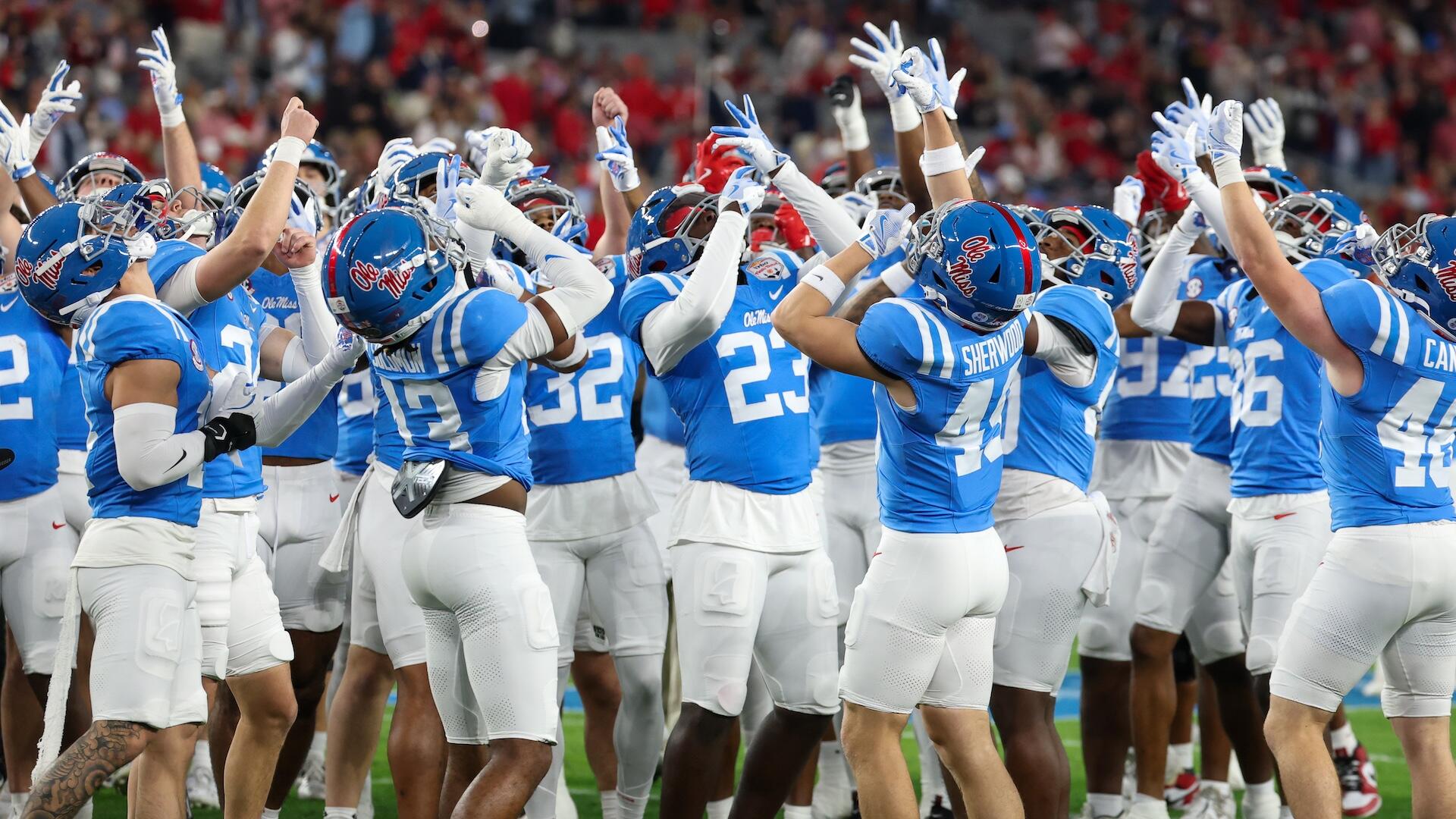
Among the teams identified by CBS Sports NY as being particularly adept at leveraging the transfer portal are the Louisiana State University (LSU) Tigers and the University of Mississippi (Ole Miss) Rebels. Both programs have reportedly scooped up a significant number of impact players, effectively fast-tracking their title aspirations for the 2026 season. These reloads aren't just about quantity; they're about strategically filling key positions with proven talent, suggesting a sophisticated use of the portal as a tactical tool.
Sources close to college football recruitment indicate that the focus for these programs isn't merely on star power, but on finding players who can immediately contribute and integrate into complex offensive and defensive schemes. The financial incentives, often facilitated by 'collectives' – independent organisations that pool funds from boosters to pay athletes for NIL activities – play a crucial role in these recruitment battles.
Potential for Playoff Disruption
The analysts suggest that these 'transfer portal-heavy' teams are uniquely positioned to disrupt the traditional hierarchy of college football. Where dynasties were often built over several recruiting cycles, the portal allows for an almost immediate injection of elite talent, potentially levelling the playing field quicker than ever before. For Australian fans following the sport, this means more unpredictable seasons and a wider pool of legitimate contenders.
While the success of these strategies remains to be seen on the field, the early indicators are strong. The ability to cherry-pick experienced players from other Division I programs mitigates the risks associated with developing freshmen, offering a more 'plug-and-play' solution to roster weaknesses. This evolving approach could see a raft of unexpected faces vying for the national championship trophy in 2026, offering compelling viewing for spectators worldwide.
The Cost of Instant Stardom
While the immediate benefits of transfer portal recruitment are evident in on-field potential, there are broader implications for the sport. The increasing emphasis on NIL deals and the constant movement of players have sparked debates about player loyalty, team cohesion, and the true amateur status of college athletes. The financial arms race to secure top talent also raises questions about competitive equity, particularly for smaller programs unable to match the multi-million dollar NIL budgets of the powerhouses.
For now, however, the focus remains on the immense sporting potential. The next few seasons will be a crucial test for programs like LSU and Ole Miss, as they attempt to transform transfer portal hauls into championship glory, all while navigating the rapidly changing economic realities of American college sport.