In a ground-breaking move set to redefine the landscape of American collegiate sport, a powerful consortium of eight major women's basketball conferences has united to dramatically improve the quality and consistency of officiating. The historic alliance is poised to inject significant resources into recruitment, training, and development programs for referees, addressing long-standing concerns about the calibre of officiating in the women's game.
Spearheaded by some of the most influential conferences in college basketball, including the Atlantic Coast Conference (ACC), Big Ten, Big 12, Big East, Pac-12, Southeastern Conference (SEC), Colonial Athletic Association (CAA), and the Atlantic 10, this collaborative effort marks a pivotal moment for the sport. Their unified goal is to foster a larger, more skilled pool of officials, ensuring fair play and enhancing the integrity of countless matches across the nation.
Unprecedented Unity for a Shared Goal
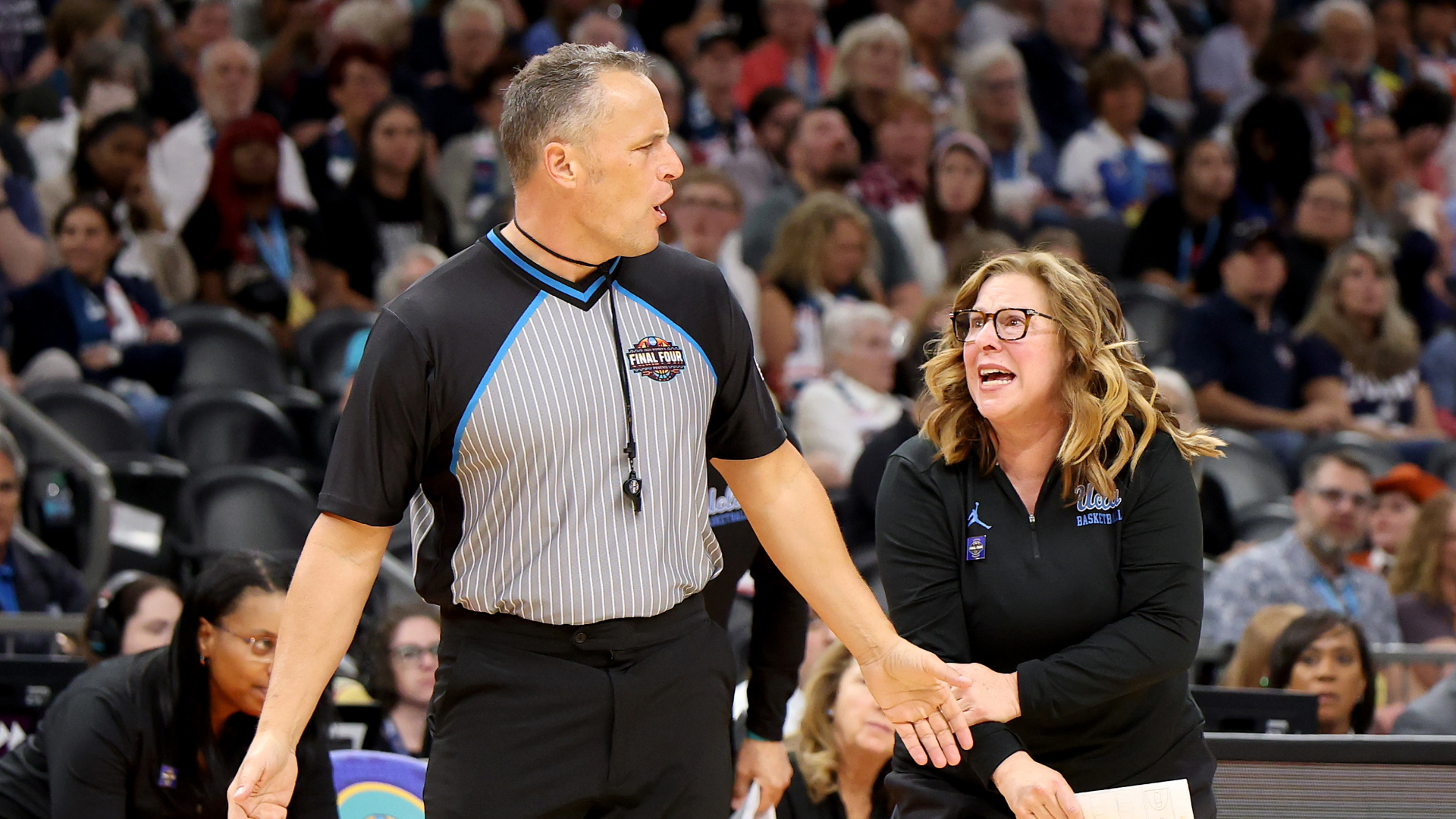
The initiative, reported by CBS Sports NY, stems from a collective recognition of the critical role officials play in the overall quality and perception of women's basketball. For years, coaches, players, and fans alike have voiced frustrations regarding inconsistent calls, a perceived lack of experience among some officiating crews, and the challenge of attracting and retaining top talent in the officiating ranks.
This alliance represents an unparalleled level of cooperation between rival conferences, typically fierce competitors both on and off the court. Their willingness to put aside traditional rivalries for the greater good of the sport underscores the urgency and importance of this endeavour. By pooling resources and expertise, the conferences aim to create a more standardised and professional pathway for aspiring officials, ensuring they receive the best possible training and mentorship.
A Three-Pronged Approach to Excellence
The core of the alliance's strategy rests on a multi-faceted approach encompassing recruitment, training, and retention. Firstly, significant emphasis will be placed on actively recruiting new officials, particularly those with a background in playing or coaching basketball, who possess an innate understanding of the game's nuances. This proactive recruitment drive hopes to attract a diverse cohort of individuals who might not have previously considered a career in officiating.
Secondly, the alliance plans to implement rigorous and standardised training programs. These programs will likely involve comprehensive instruction on rule interpretation, game management, communication skills, and physical conditioning, all tailored specifically to the demands of women's collegiate basketball. The goal is to equip officials with the tools and knowledge necessary to perform at the highest level, fostering consistency in decision-making across all allied conferences.
Finally, strategies for retaining experienced officials will be a key focus. This could involve improved compensation, enhanced performance review processes, and creating clearer pathways for career progression. By acknowledging and rewarding excellence, the alliance hopes to build a stable and experienced officiating workforce, reducing turnover and ensuring a consistent standard of expertise on the court.
Raising the Bar for Athletic Competition
The long-term implications of this alliance extend far beyond individual games. By elevating the standard of officiating, the conferences aim to enhance the overall quality and excitement of women's college basketball. Fairer games, fewer controversial calls, and a perception of increased professionalism are expected to attract more viewers, greater sponsorship opportunities, and ultimately, elevate the profile of the women's game across the globe. This investment in integrity and skill is a testament to the growing recognition of women’s sports and its rightful place in the athletic spotlight.
This concerted effort could serve as a blueprint for other sporting codes, both collegiately and professionally, looking to address similar challenges in officiating. The success of this alliance will be closely watched, with its potential to usher in a new era of excellence and fairness in women's basketball for decades to come.