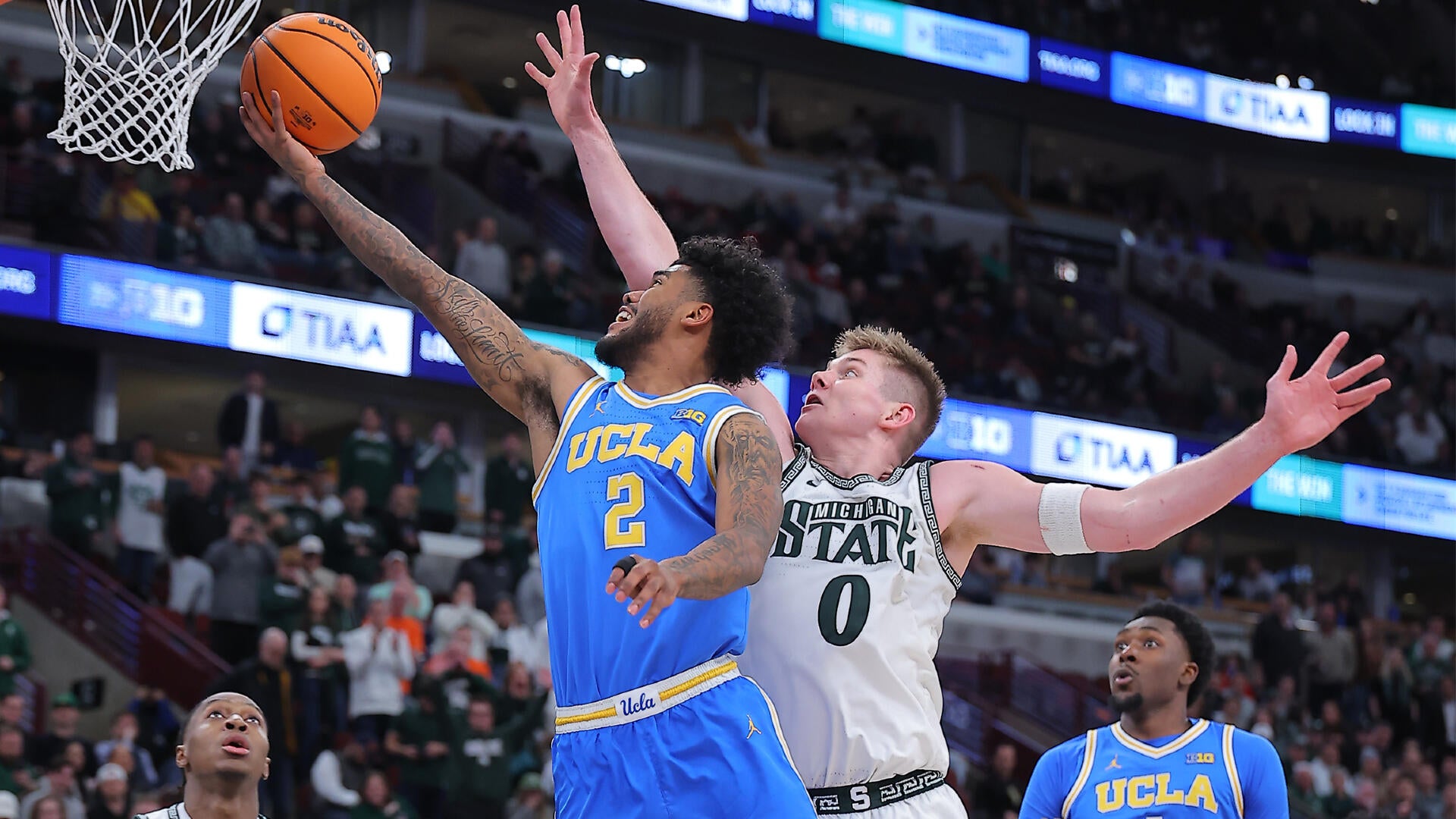
American college basketball is facing an unprecedented legal challenge as a cohort of star players sue for the right to return for an extra season, dramatically reshaping the sport's landscape. These legal battles follow recent court decisions that have opened the door for athletes to contest their eligibility, particularly those whose final year was impacted by extraordinary circumstances.
Courts Open the Door for Extended Careers
The genesis of this eligibility upheaval lies in recent rulings from US courts, which have interpreted existing NCAA (National Collegiate Athletic Association) regulations in a new light. Historically, college athletes are granted four years of athletic eligibility within a five-year window. However, the unique challenges of the past few seasons, particularly the COVID-19 pandemic, led to a temporary waiver of these rules, allowing many athletes an extra year. Now, as those waivers expire, a fresh wave of legal challenges argues for permanent extensions, citing various reasons from lost opportunities to unfinished academic pursuits.
CBS Sports NY reported that the sheer number of high-profile players pursuing these avenues indicates a significant shift in how college sports will operate. Legal experts suggest these cases could set powerful precedents, potentially allowing a more flexible approach to athlete eligibility moving forward. The outcomes of these lawsuits are being watched closely by athletic departments, coaches, and prospective athletes across the United States, as they could fundamentally alter recruitment strategies and team compositions for years to come.
High-Stakes Legal Manoeuvres
Among the most prominent names pushing for a return is a former All-American guard, whose senior season was cut short due to injury. He argues that his inability to compete fully in his final year warrants an additional season to showcase his talents for professional scouts. Another case involves a towering centre who believes his development was hampered by coaching changes and seeks a fifth year to prove his worth.
These athletes, often represented by high-powered legal teams, are presenting compelling arguments centred on fairness and the pursuit of athletic and academic goals. The financial implications are also considerable. A successful fifth year could significantly boost a player's draft stock, translating into millions of US dollars in professional contracts. For universities, retaining a star player for an extra season can mean increased ticket sales, merchandise revenue, and greater visibility for their athletic programs, often worth hundreds of thousands, if not millions, of Australian dollars in exposure alone.
The Ripple Effect on Recruitment and Rosters
Should these lawsuits prove successful, the impact on college basketball will be immediate and far-reaching. Coaching staffs, who meticulously plan their recruitment cycles years in advance, would face an unprecedented level of uncertainty. The return of established stars would inevitably squeeze out incoming freshmen or transfer students, creating a bottleneck on rosters and intensifying competition for limited scholarship spots.
Furthermore, the collegiate transfer portal, already a volatile aspect of US college sports, could become even more chaotic. Players seeking playing time might find themselves perpetually on the move as they navigate teams unexpectedly bolstered by returning veterans. The NCAA, as the governing body, is grappling with how to maintain competitive balance and uphold its amateurism principles while adapting to the evolving legal landscape. This ongoing saga promises to deliver significant changes to the beloved sport, potentially creating a new era of 'super seniors' in college basketball.