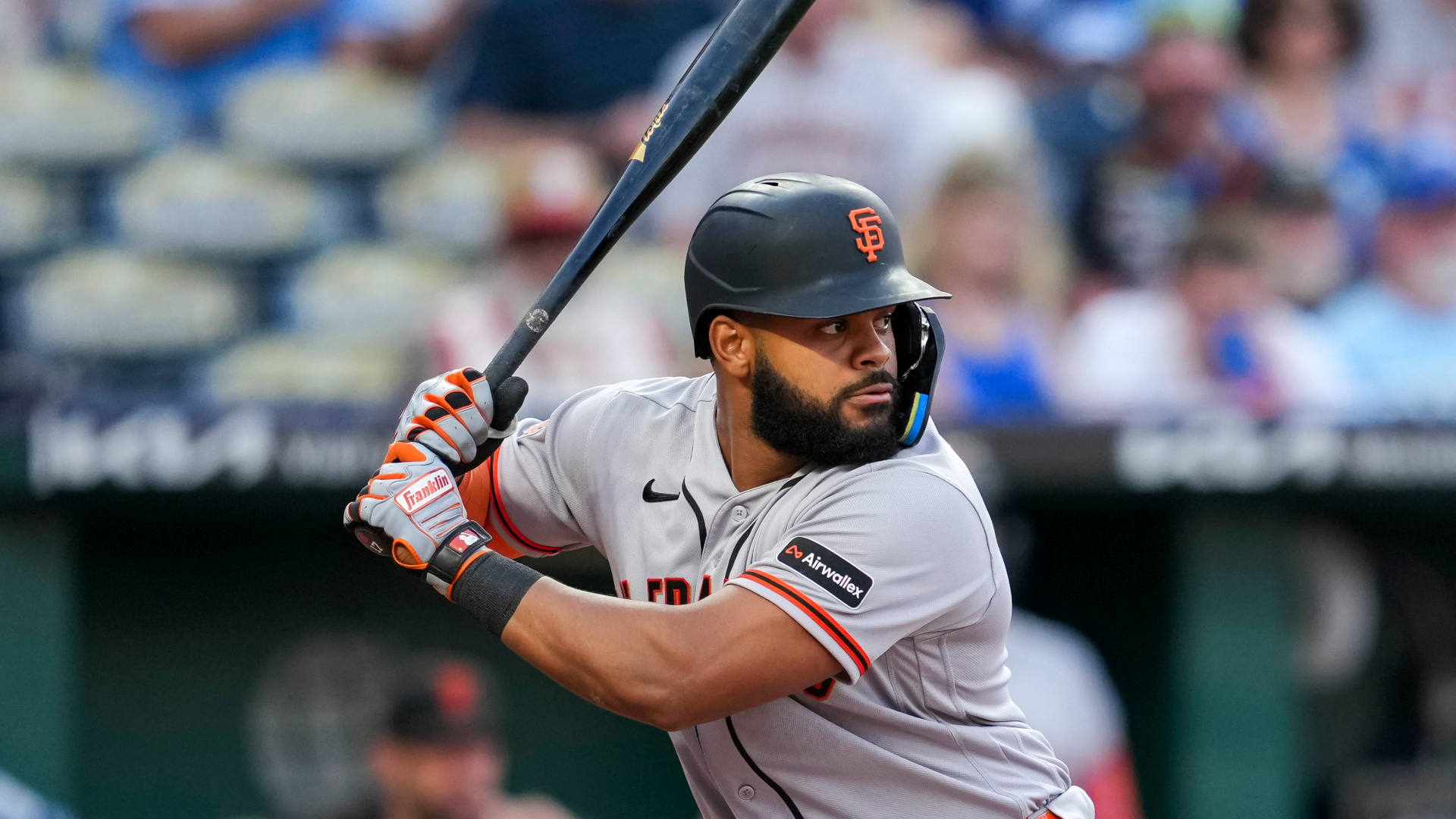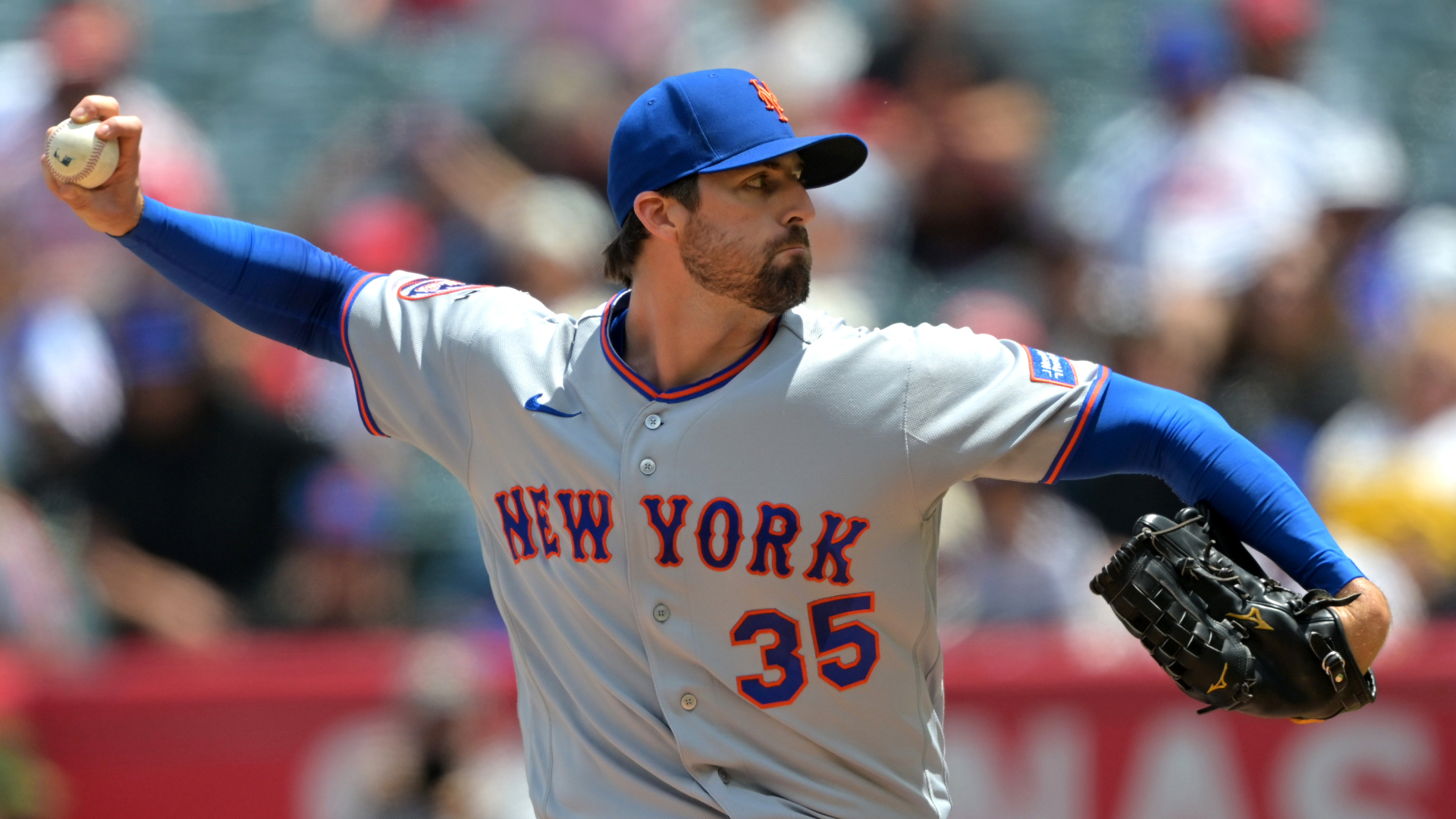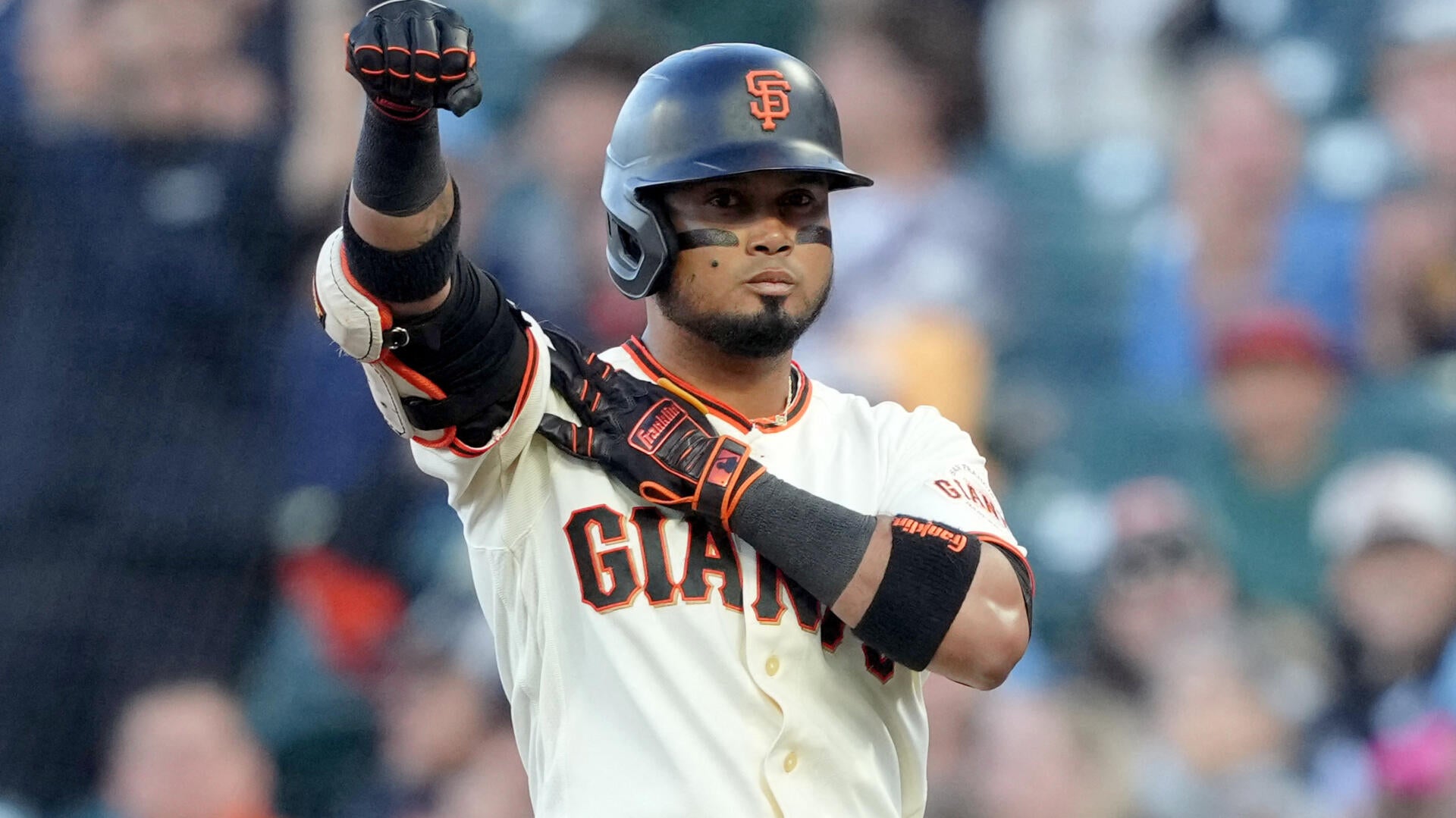
The North American Major League Baseball (MLB) trade deadline has once again sent shockwaves through the league, with teams scrambling to bolster their rosters for a postseason push or strategically offload assets for future gains. Yesterday's deadline saw a flurry of activity, as reported by CBS Sports NY, with the Pittsburgh Pirates' bullpen coming under particular scrutiny and the Tampa Bay Rays making a notable acquisition.
Weaver in the Closer Conversation for Pirates
The Pittsburgh Pirates, a club often in the headlines for its developing talent rather than championship contention, are reportedly considering a significant change in their bullpen hierarchy. According to CBS Sports NY, pitcher Luke Weaver could be elevated to the role of closer, a pivotal position responsible for securing late-game victories. This move would signal a notable shift in the Pirates' strategy, potentially entrusting the high-pressure ninth inning to Weaver, who has shown flashes of brilliance throughout his career. While specific details on the Pirates' internal discussions remain under wraps, the speculation suggests a strategic re-evaluation of their relief pitching, perhaps looking to leverage Weaver's strikeout potential in high-leverage situations. Such a move could significantly impact the Pirates' performance in the latter half of the season, and it will be fascinating to observe how this potential leadership change within the bullpen plays out.
Rays Bolster Farm System with Hicks Acquisition
In a move that underscores their reputation for astute talent scouting, the Tampa Bay Rays have reportedly acquired Liam Hicks. While specific terms of the trade were not immediately disclosed, CBS Sports NY highlighted Hicks as a significant addition. The Rays are renowned for their ability to identify and develop promising young players, often turning them into future MLB stars. Hicks's acquisition suggests the Rays see considerable potential in the young prospect, likely to bolster their already robust farm system. This strategic long-term play aligns perfectly with the Rays' organisational philosophy, which prioritises sustainable success through a strong pipeline of emerging talent. For Australian baseball enthusiasts, this type of strategic minor league acquisition is a fascinating insight into how teams build for the future, often years before a player ever steps foot on an MLB diamond.
Deadline Day Dash: A League-Wide Overview
The trade deadline in MLB is a period of intense negotiation and strategic maneuvering, with general managers working tirelessly to improve their clubs. Teams vying for a playoff berth often trade away valuable prospects for established veterans, hoping to add the final pieces to their championship puzzles. Conversely, teams out of contention frequently become 'sellers', offloading high-salaried players or those nearing the end of their contracts in exchange for young talent and future draft picks. The flurry of activity, as tracked by outlets like CBS Sports NY, often shapes the remainder of the season and can have long-lasting implications for franchises. This year's deadline was no exception, with countless smaller moves happening across the league, each with its own story and potential impact.
Financial Implications and Player Movement
Beyond the strategic sporting considerations, the MLB trade deadline also carries significant financial implications. Player contracts, often worth tens of millions of Australian dollars, are a major factor in any trade. Teams must consider salary cap implications, luxury tax thresholds, and the long-term financial commitments associated with acquiring new players. For players, a trade can mean an immediate upheaval, moving across the country, changing teammates, and adapting to a new organisational culture. While the excitement of potentially joining a contender can be a motivator, the personal challenges of relocation and adjusting to a new environment are considerable. The sheer volume of player movement, as chronicled by sports reporters, paints a vivid picture of the human element intertwined with the high-stakes business of professional baseball.