A surprising development in American college basketball has sent ripples through the sporting world, with the venerable Indiana University Hoosiers facing a perplexing future. New York-based sports media giant CBS Sports NY has delivered a stunning report: the Hoosiers' non-conference schedule for the foreseeable future is entirely devoid of Power Four (P4) opponents.
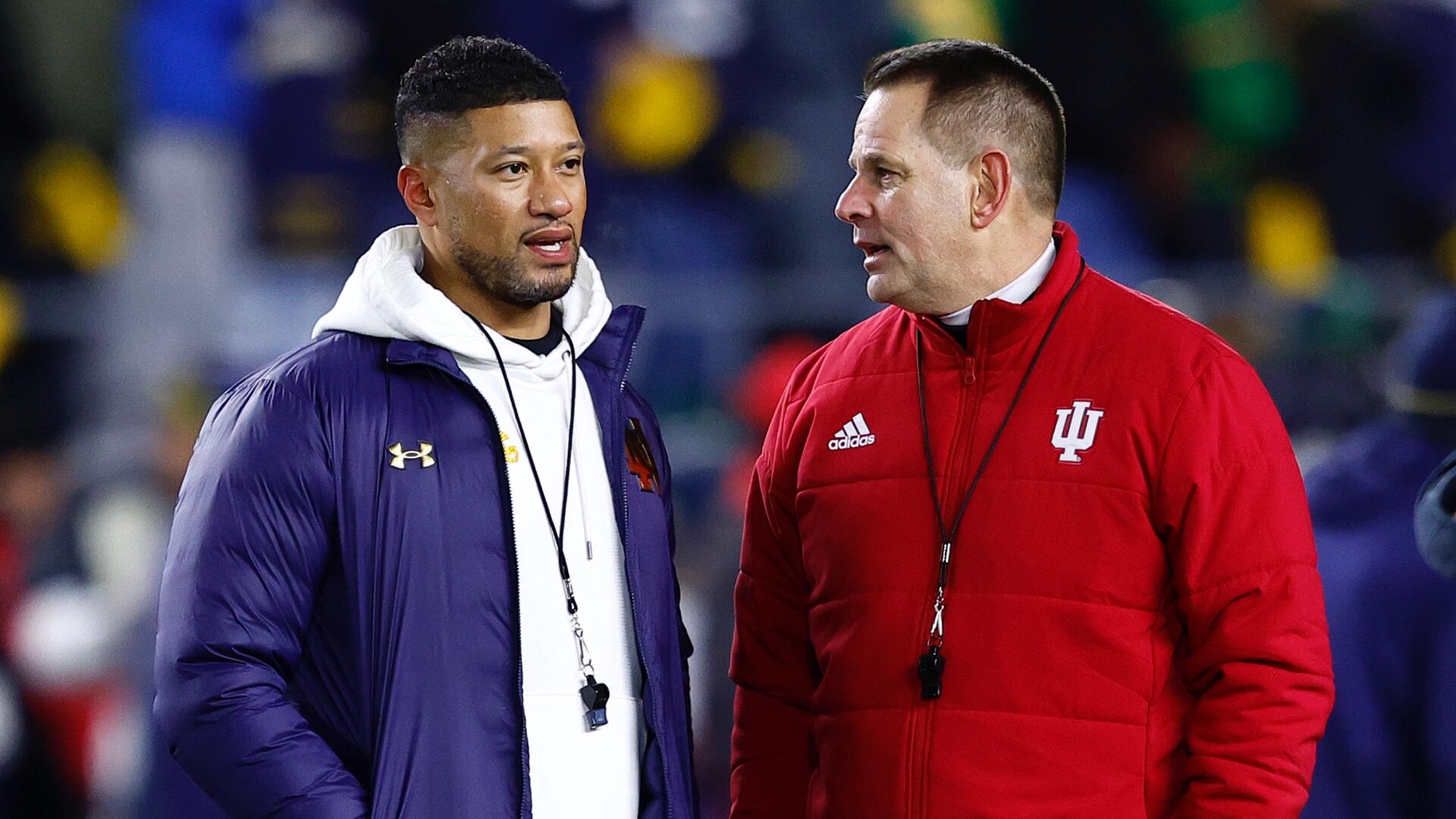
This revelation comes as the long-standing basketball rivalry between Indiana and Notre Dame, two iconic institutions in the state, has been abruptly cancelled. The end of this celebrated series, a fixture in the regional sporting calendar, is just one piece of a larger, more concerning puzzle for Hoosier fans and college basketball purists.
The Vanishing Act of Elite Competition
The core of the CBS Sports NY report highlights an unprecedented scheduling vacuum. Historically, top-tier college basketball programs, even those within powerful conferences like the Big Ten (to which Indiana belongs), actively seek out marquee non-conference matchups. These games are crucial for several reasons: they bolster a team's strength of schedule, providing a better metric for national rankings and NCAA tournament seeding; they offer fans exciting, high-profile contests; and they generate significant revenue through ticket sales and television rights. The absence of any P4 non-conference foes on Indiana's future dockets suggests either a dramatic shift in strategic thinking or an alarming inability to secure competitive opponents.
For a program with Indiana's rich history – multiple national championships and a fervent fan base – such a scheduling trend raises eyebrows. Are the Hoosiers deliberately opting for a less challenging pre-conference slate, or are other P4 schools reluctant to play them? Without direct statements from the university's athletic department, speculation abounds, but the optics are undoubtedly concerning for a program that prides itself on being a national powerhouse.
The Notre Dame Fallout
While the broader P4 drought is significant, the immediate catalyst for this discussion is the termination of the Indiana-Notre Dame series. This interstate rivalry, though not played annually in recent years, held a special place in the hearts of Indiana sports enthusiasts. It represented a clash of basketball cultures within the state, often attracting significant attention and providing memorable moments. The reasons for its cancellation remain officially undisclosed, though such decisions often hinge on mutual scheduling conflicts, financial disagreements, or a re-evaluation of athletic priorities by either institution.
The end of this series further diminishes Indiana's non-conference strength and removes a beloved tradition. For supporters, the loss of such a historically significant game is a bitter pill, especially when coupled with the broader trend of diminished top-tier opposition.
Implications for the Big Ten and Beyond
This scheduling predicament for Indiana could have wider implications. In an era where conference strength is increasingly scrutinised and the transfer portal allows for rapid roster changes, a weak non-conference schedule can severely handicap a team's national standing. The Big Ten is one of college basketball's most competitive conferences, and while the Hoosiers will face a gauntlet of P4 teams once conference play begins, their early season resume may suffer dramatically without quality opposition. This could impact everything from recruiting top-tier talent, who often look for opportunities to play against the best, to the team's ability to secure a favourable seed in the lucrative NCAA tournament, where each round can generate millions of US dollars in revenue for participating institutions and their conferences.
The situation reported by CBS Sports NY will undoubtedly spark considerable discussion among college basketball analysts and Indiana faithful. The Hoosiers' athletic department faces increasing pressure to clarify their long-term scheduling strategy and reassure stakeholders that the program remains committed to competing at the highest level against the nation's best. The ball, quite literally, is now in their court to address these pressing concerns.