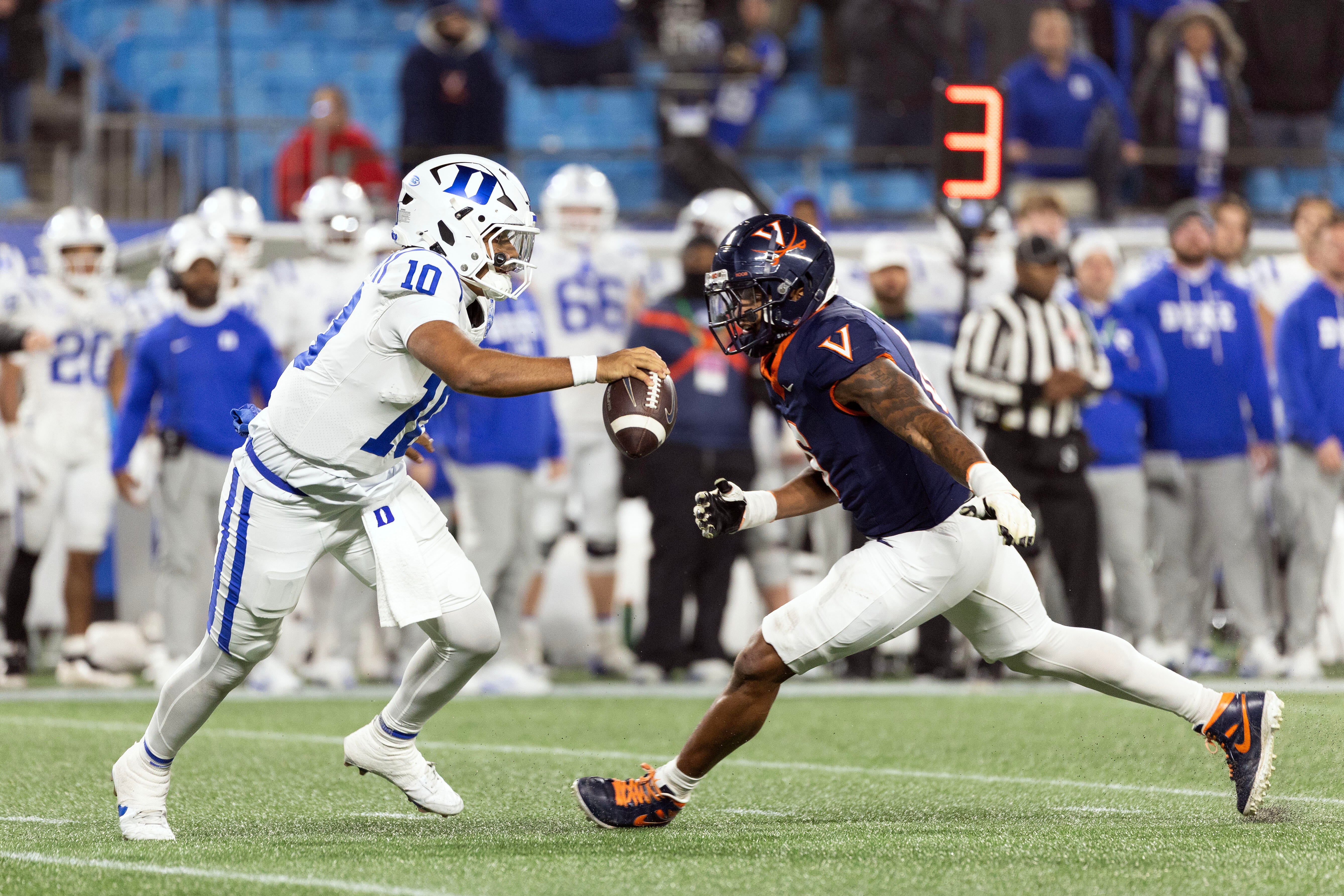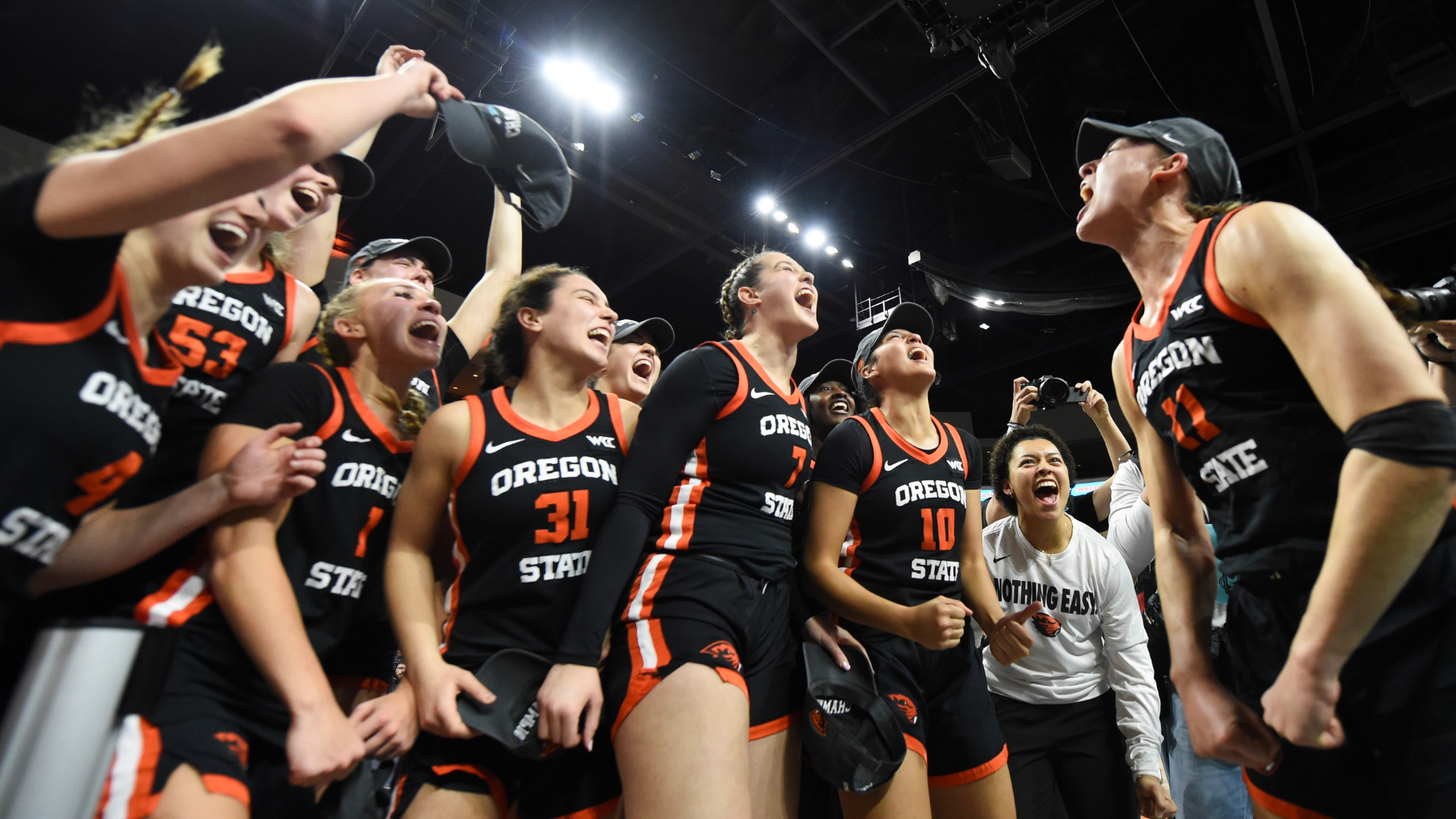
A groundbreaking movement is sweeping through US college athletics, as over 100 female basketball players launch a concerted effort to unionise, demanding a collective voice in a system historically defined by amateurism. This unprecedented push, spearheaded by players from Oregon State University, could reshape the landscape of collegiate sports and pave the way for significant changes in athlete compensation and welfare.
Players from Oregon State formally filed a petition for union representation with the Oregon Employment Relations Board last Friday, as reported by CBS Sports NY. This decisive action signals a powerful desire among athletes to challenge the traditional power dynamic, seeking better protection, benefits, and a share in the lucrative revenues generated by college sports.
Oregon State Leads the Charge
The decision by Oregon State players to initiate the unionisation process marks a pivotal moment. Their petition is not merely about improved conditions at one institution; it’s a strategic move designed to establish a precedent that could ripple across the entire National Collegiate Athletic Association (NCAA) system. The players, many of whom are high-profile athletes generating substantial income for their universities through ticket sales, merchandise, and broadcasting rights, are increasingly questioning why they have been largely excluded from direct financial benefits.
Their actions are fuelled by a desire for “one voice,” a sentiment articulated by numerous players involved in the movement. This collective approach aims to address issues ranging from health and safety standards, academic support, and mental health resources to name, image, and likeness (NIL) rights. While NIL deals, which allow athletes to profit from endorsements and sponsorships, have been permitted since 2021, the players believe that a union would provide a more structured and equitable framework for all athletes, not just the stars.
Challenging the Amateur Ideal
The push for unionisation directly confronts the long-held NCAA principle of amateurism, which has historically defined college athletes as students first, precluding them from receiving direct payment beyond scholarships and living expenses. However, the commercialisation of college sports has grown exponentially, with major programs generating hundreds of millions of Australian dollars annually. Critics argue that this model is exploitative, enriching universities and athletic departments while athletes, who bear the physical and mental toll of elite competition, are left out of the financial equation.
A successful unionisation effort would categorise college athletes as employees, a legal status that would grant them significant bargaining power. This reclassification could lead to collective bargaining agreements covering wages, working conditions, healthcare, and post-career benefits – an unthinkable prospect just a few years ago. The potential ramifications extend beyond basketball, possibly influencing football, soccer, and other major college sports, fundamentally altering the economic model of university athletics across the United States.
A Broader Movement Emerges
The Oregon State initiative is not an isolated incident but rather indicative of a broader, growing dissatisfaction among college athletes. This movement has been building momentum, particularly in the wake of increasing awareness of athlete exploitation and the growing commercial value of their performances. The players involved are not just seeking financial gain; they are advocating for greater agency and respect within a system that often treats them as commodities rather than individuals.
The outcome of the Oregon State petition will be closely watched across the US and internationally. Should it succeed, it would undoubtedly encourage other college athletic programs to follow suit, potentially leading to a wave of unionisation efforts. This development represents a significant turning point, promising a future where college athletes might finally have a powerful, unified voice in shaping their own destinies within the highly profitable world of university sports.