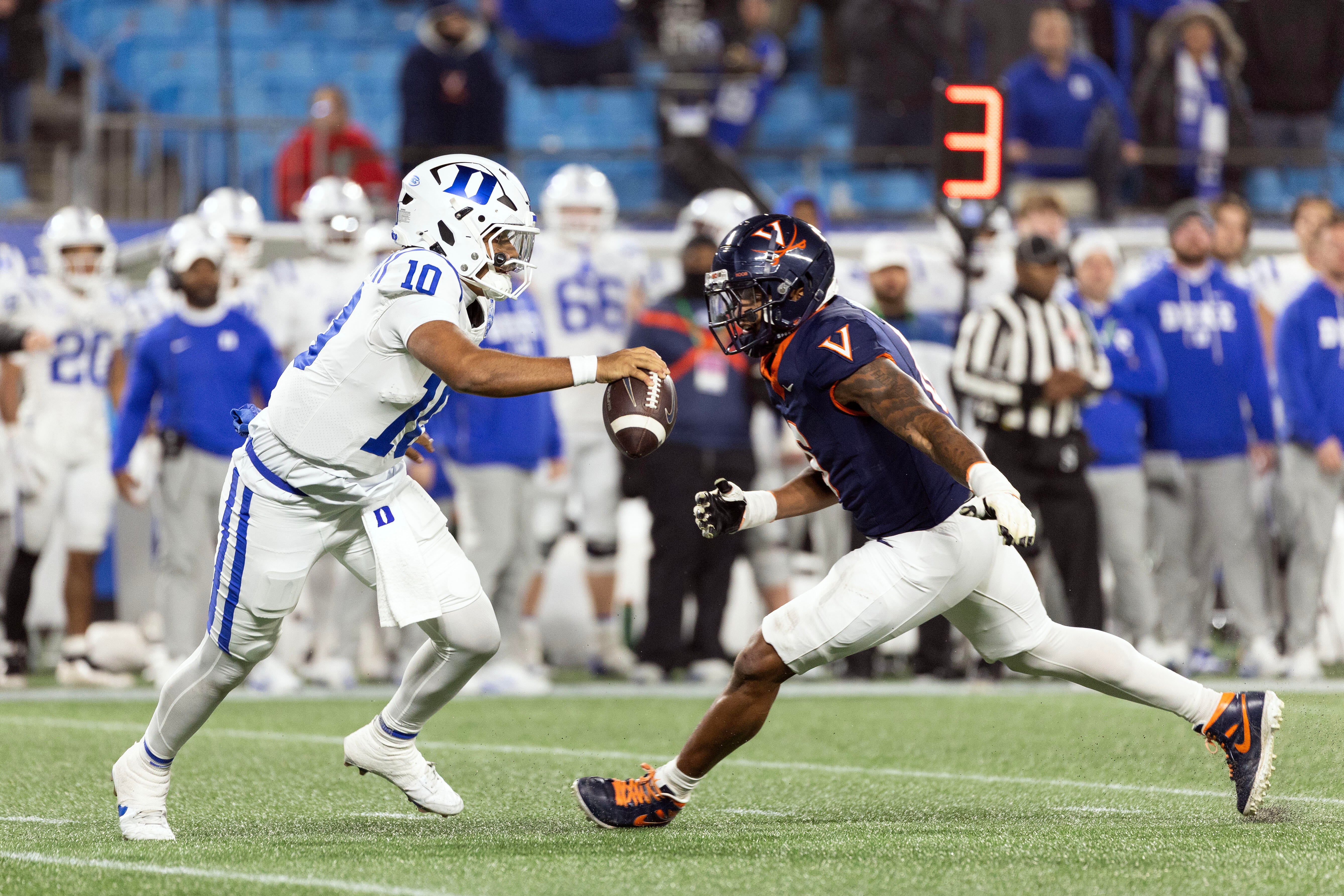
American college football has been thrown into an unprecedented state of chaos following a landmark court ruling that unexpectedly granted an additional year of eligibility to every player from the 2022 recruitment class. The decision, handed down by a Colorado judge on Friday, has sent General Managers (GMs) across the league into a frantic scramble, drastically altering team rosters and recruitment strategies overnight.
The Ruling That Rewrote the Rulebook
The unexpected judicial intervention effectively nullifies previous eligibility restrictions for a significant cohort of athletes. This means players who might have exhausted their four years of NCAA eligibility now have an unexpected fifth season to compete, creating a massive influx of experienced talent into the player pool. For many, this represents a second bite at the cherry, an unforeseen opportunity to boost their professional prospects or simply extend their amateur careers.
CBS Sports NY, a prominent American sports media outlet, reported on the immediate and widespread disarray across college football programs. GMs, who had meticulously planned their rosters and recruitment drives based on the established four-year eligibility window, are now confronted with the complex task of integrating these newly eligible veterans. This isn't merely about adding players; it's about re-evaluating team dynamics, scholarship allocations, and strategic game plans.
GMs in a Mad Scramble
The immediate aftermath of the ruling has been characterised by a flurry of activity behind the scenes. Coaching staff meetings have extended late into the night, recruitment pipelines are being frantically re-evaluated, and phone lines between GMs and player agents are undoubtedly running hot. The primary challenge lies in balancing the desire to bring back experienced, proven talent with the need to honour existing commitments to incoming recruits and maintain team chemistry.
One anonymous GM, speaking to CBS Sports NY, reportedly likened the situation to “trying to solve a Rubik’s Cube blindfolded,” highlighting the sheer complexity of the task at hand. Universities, already operating within tight financial constraints, now face the unenviable task of funding additional scholarships and resources for potentially dozens of extra players, a significant and unforeseen budgetary strain that could run into millions of Australian dollars across the league.
Impact on Recruitment and Team Dynamics
The ripple effects of this ruling are multifaceted. For graduating high school players hoping to secure a coveted college scholarship, the landscape has suddenly become far more competitive. With a surge of experienced players now available, the number of open roster spots for freshmen will inevitably shrink. This could lead to a 'gap year' for some aspiring college athletes or force them to consider less prominent programs than they might have initially targeted.
Furthermore, team dynamics are set for a shake-up. The return of seasoned veterans could displace younger players who were anticipating a starting role or significant playing time. While experience is invaluable, integrating a large number of returning players alongside existing rosters requires delicate management to avoid internal friction and maintain a cohesive unit. Coaches will be tasked with finding the right balance between rewarding loyalty and fostering new talent.
The Unfolding Future
The long-term implications of this ruling are still being absorbed, but it's clear that college football, as it was known, has undergone a fundamental shift. While the legal specifics of the Colorado judge's decision remain a point of discussion for legal experts, its immediate impact on the sport is undeniable. The coming weeks and months will be crucial as teams navigate this unprecedented challenge, attempting to turn potential chaos into strategic advantage in what promises to be one of the most unpredictable seasons in recent memory.