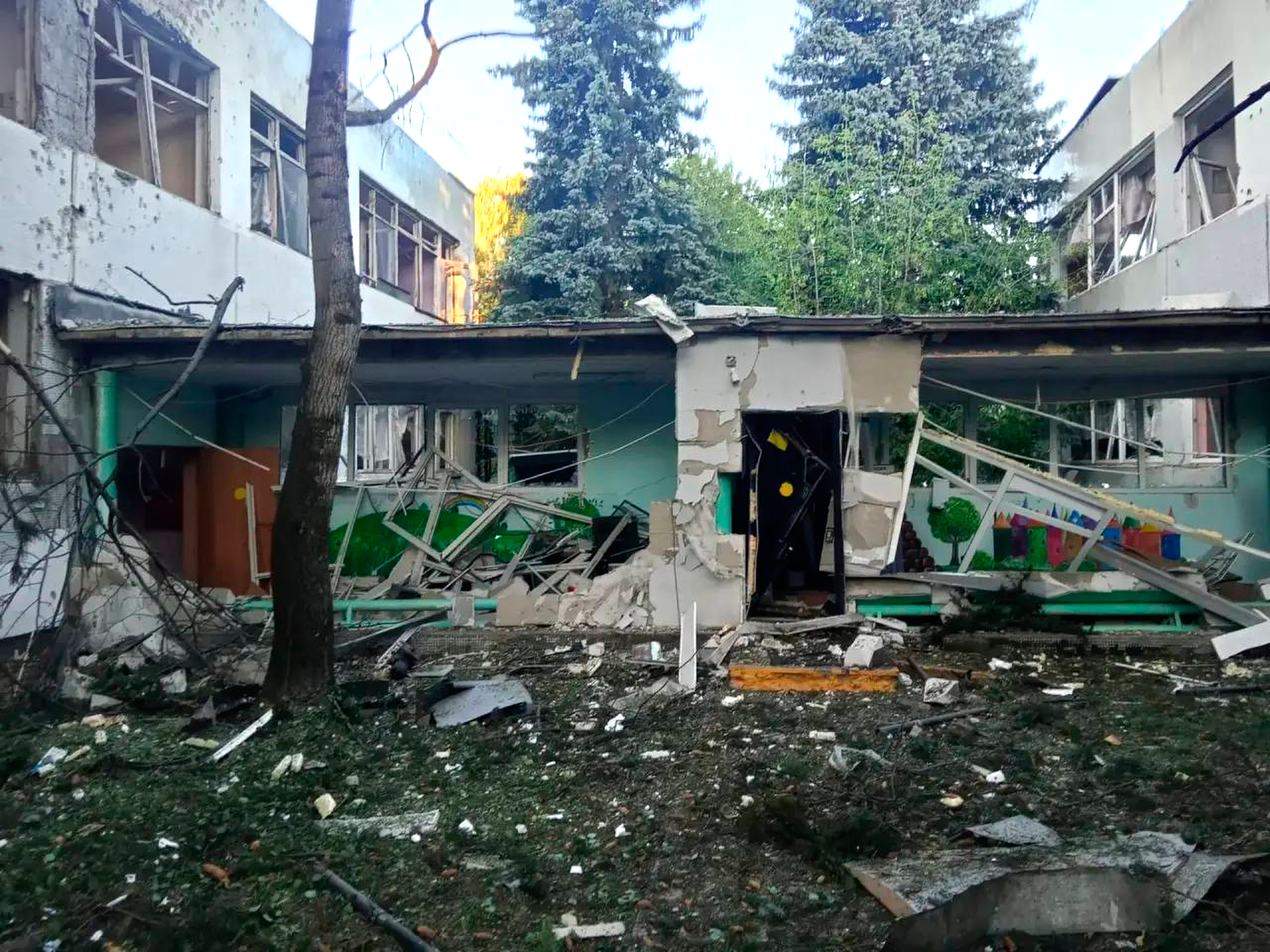
A escalating drone offensive by Ukrainian forces has left eight people dead and more than 60 wounded across Russian border regions, as Kyiv intensifies its aerial assault on military and energy infrastructure.
The attacks, reported by NPR World, underscore Ukraine's continuing strategy to undermine Russia's war effort by striking targets deep within its territory, disrupting supply lines and damaging critical facilities.
Cross-Border Carnage Claims Civilian Lives
Among the casualties, at least eight individuals have reportedly lost their lives as a direct result of these drone incursions. The fatalities and extensive injuries highlight the increasing human cost of the protracted conflict, with ramifications now frequently spilling over into Russian civilian areas. While the primary targets of these drone strikes are often military installations and energy facilities crucial to sustaining Russia's war, the broader impact on communities near the border is becoming increasingly tragic. The sheer number of wounded in these latest attacks – exceeding 60 across various incidents – paints a grim picture for residents in regions such as Belgorod, Kursk, and Voronezh.
Kyiv's Strategic Air Campaign Deepens
Kyiv's rationale behind these persistent drone attacks is multi-faceted. Primarily, it aims to degrade Russia's military capabilities by striking ammunition depots, command centres, and logistical hubs. Secondary, but equally important, is the objective to disrupt Russia's economy and war funding by targeting oil refineries, fuel depots, and power stations. These facilities, vital for both military operations and national revenue, represent strategic vulnerabilities. NPR World has consistently reported on Ukraine's commitment to this aerial campaign, viewing it as a cost-effective method to project power and pressure Russia at a distance, particularly as front lines remain largely static in some sectors. The psychological impact on the Russian populace, faced with increasing domestic insecurity, is also a deliberate component of this strategy.
Energy Facilities Under Constant Threat
Russian energy infrastructure has become a frequent target, with Ukraine deploying long-range uncrewed aerial vehicles to strike facilities hundreds of kilometres from the Ukrainian border. These attacks, while not always leading to complete destruction, often cause significant operational disruptions, costing Russia millions of roubles in repairs and lost production. Analysts suggest that by forcing Russia to divert air defence assets from the front lines to protect vital domestic sites, Ukraine may also be seeking to create tactical advantages for its forces engaged in ground combat. The continuous threat keeps Russian command on edge and stretches their defensive capabilities thin.
International Scrutiny and Future Prospects
The escalation of drone attacks into Russian territory has drawn mixed reactions internationally. While many Western allies support Ukraine's right to defend itself, concerns occasionally arise regarding the potential for further escalation and the targeting of purely civilian infrastructure. However, Kyiv maintains these operations are legitimate acts of self-defence against an invading force. As winter approaches, the focus on energy infrastructure is likely to intensify, potentially impacting Russia's ability to maintain supplies to its own population and to European markets, albeit at significantly reduced levels compared to pre-war periods. The enduring effectiveness of these drone strikes, both militarily and psychologically, will continue to be a key indicator of Ukraine's strategic reach and adaptability in the ongoing conflict.