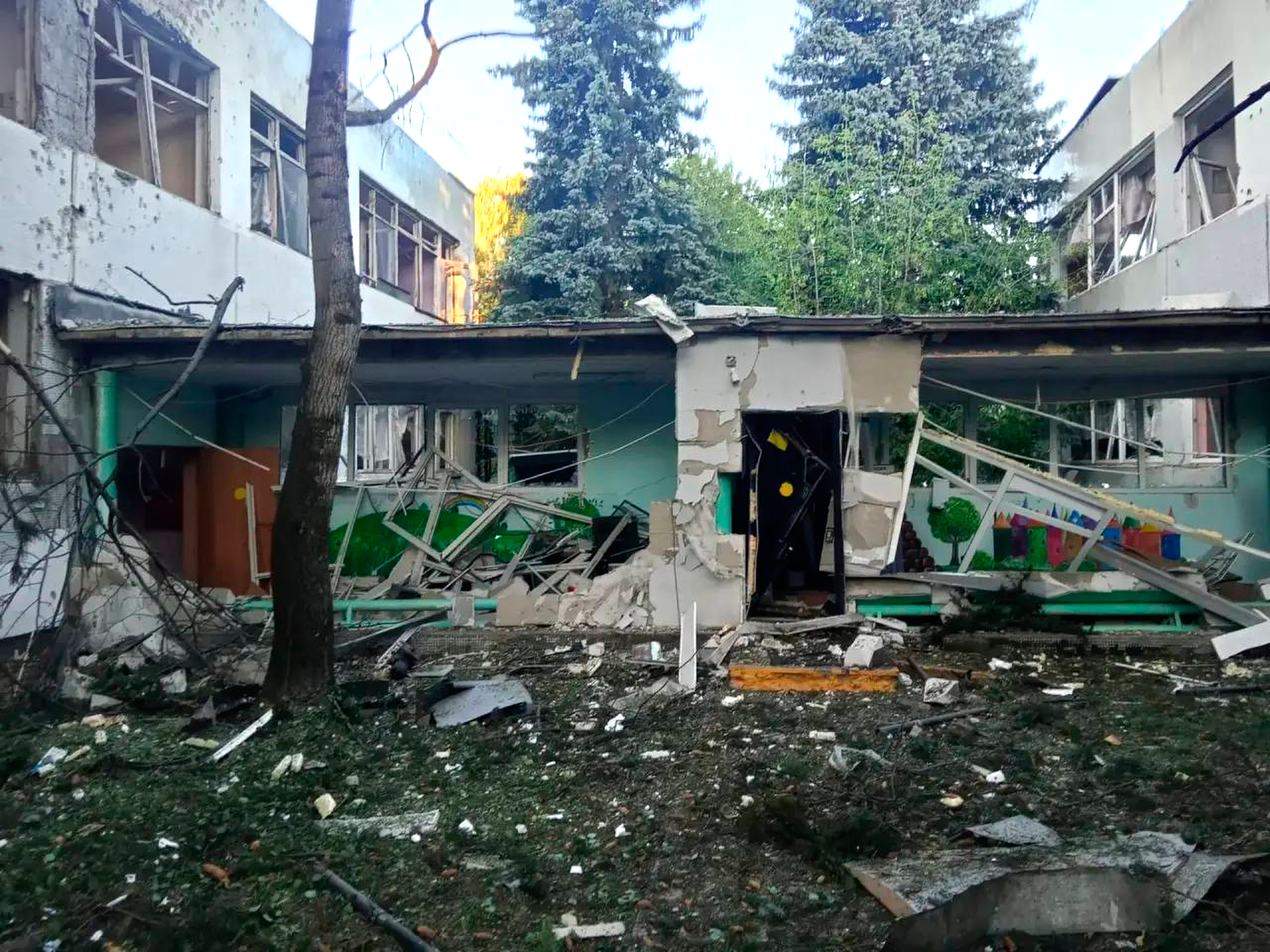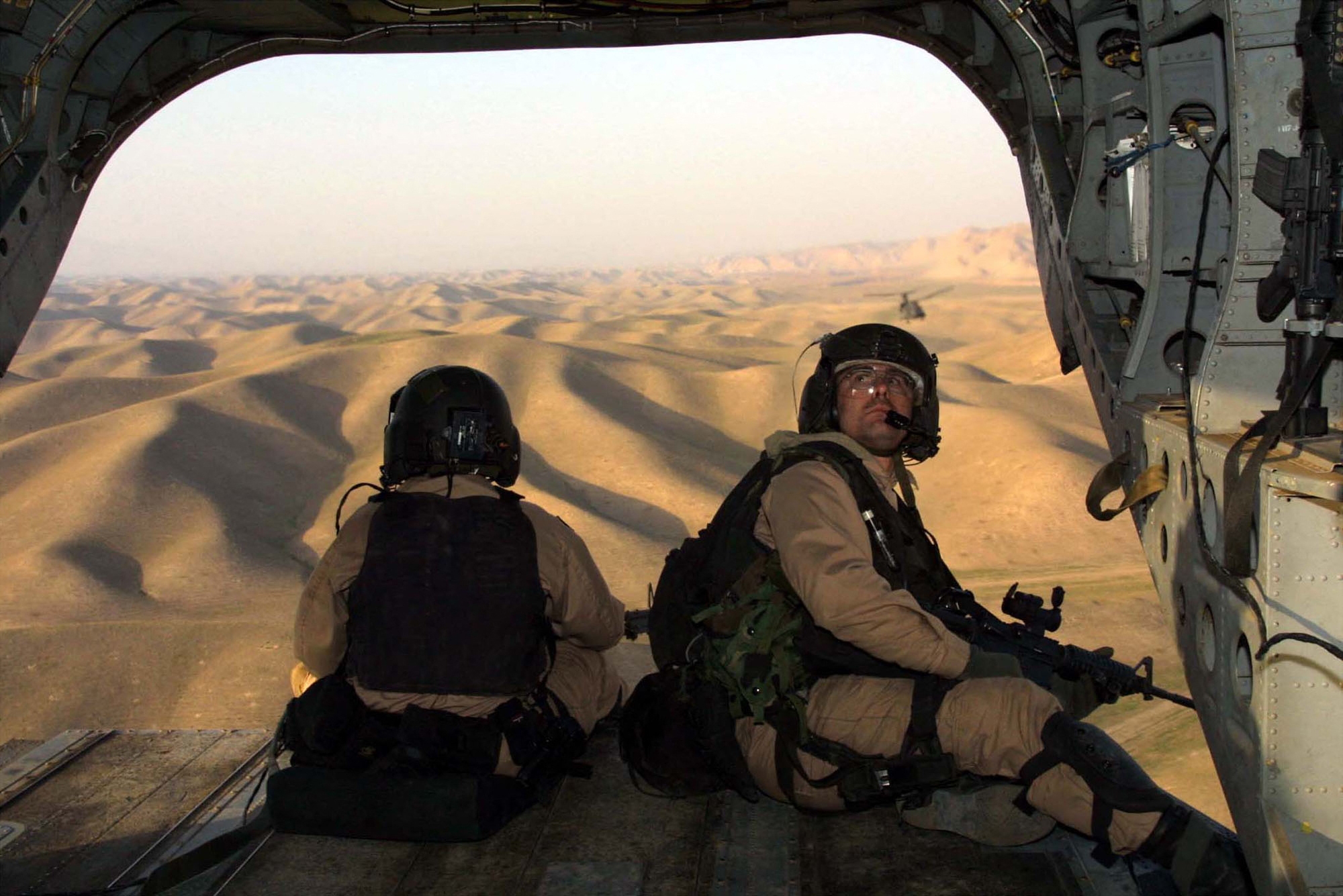
The United States, a nation synonymous with military might and technological supremacy, has paradoxically struggled to achieve its objectives in a series of high-profile conflicts across the globe. From the rugged terrain of Afghanistan to the volatile streets of Baghdad, Washington's promises of 'short, decisive wars' have repeatedly unravelled, leaving behind a legacy of protracted engagements, unmet political goals, and profound geopolitical instability.
NPR World recently highlighted this enduring pattern, noting that successive US presidents have embarked on military interventions with bold assurances of swift victory, only to find themselves mired in complex, intractable conflicts. The wars in Afghanistan and Iraq, now etched into contemporary history, serve as stark reminders of this predicament. And while a full-scale invasion of Iran has been averted, the rhetoric surrounding potential conflict has consistently underestimated the immense challenges such a confrontation would entail.
The Allure of Quick Conquest
For decades, American foreign policy has often been underpinned by the belief that superior firepower and strategic brilliance can dictate outcomes on a battlefield, leading to rapid political transformation. This conviction, perhaps born from World War II's decisive conclusion, has driven interventions in diverse geopolitical landscapes. However, the realities on the ground in places like Afghanistan, a nation notorious as the 'graveyard of empires,' or Iraq, with its deep-seated sectarian divisions, have repeatedly defied these expectations. The initial military successes, often heralded with triumphalist declarations, have consistently failed to translate into enduring political stability or democratic transitions palatable to Washington. The cost, both in human lives and financial terms, has been astronomical, far exceeding initial projections.
The Unforeseen Costs and Protracted Engagements
The financial burden of these protracted conflicts has been immense. While precise figures are debated, estimates for the wars in Afghanistan and Iraq alone run into trillions of US dollars. To put this into an Australian context, a single day of the Iraq War, at its peak, could have funded numerous critical infrastructure projects or significantly boosted social welfare programs across Australia. This sustained outlay of capital diverts resources that could otherwise be invested domestically or in diplomatic initiatives, potentially perpetuating a cycle of military dependence. Furthermore, the human cost, both for American service personnel and the civilian populations caught in the crossfire, is immeasurable, leaving deep scars that persist long after the last soldier departs.
Beyond Military Superiority: The Political Quagmire
NPR World's analysis underscores a crucial point: military superiority alone does not guarantee political success. The complexities of nation-building, cultural nuances, and the intricate web of local allegiances often prove far more challenging than conventional warfare. In both Afghanistan and Iraq, the absence of robust, legitimate, and universally accepted political institutions, coupled with a lack of comprehensive post-conflict planning, left power vacuums that quickly filled with insurgent groups and sectarian violence. The stated goals of promoting democracy and stability often faltered against the harsh realities of governance in societies deeply divided and distrustful of foreign intervention. The lesson, it seems, is that 'winning' a war militarily is only the first, often easiest, step; securing a lasting peace and achieving political objectives requires a far more nuanced and long-term approach.
The repeated failure to deliver on promises of swift and decisive victories has led to a growing weariness among the American public and its allies. The challenges faced by the US in these conflicts serve as a potent reminder that even the most powerful nations must grapple with the unpredictable and often intractable nature of geopolitical realities, where ambition frequently collides with the harsh and unforgiving theatre of war.