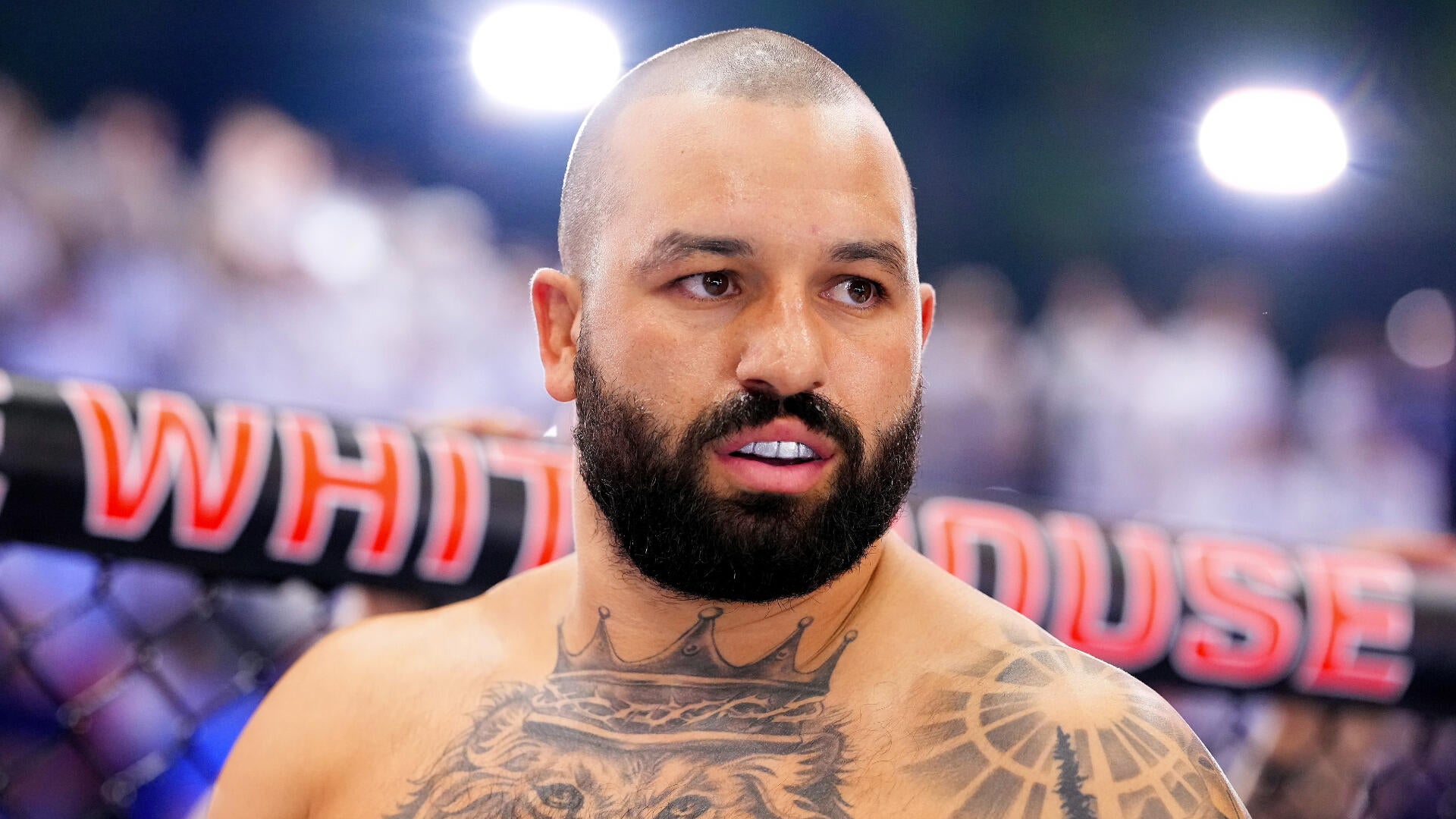
Ultimate Fighting Championship (UFC) President Dana White has publicly lambasted emerging talent Josh Hokit, expressing profound disappointment over comments Hokit made regarding former US First Lady Michelle Obama. White, a prominent figure in the combat sports world, did not mince words, describing Hokit's remarks as "gross" and "inappropriate" during a recent podcast interview.
The incident, which has sent ripples through the usually tight-lipped UFC community, originated from Hokit's appearance on an undisclosed podcast. While the exact nature of Hokit's comments has not been fully detailed, CBS Sports NY reported that they touched upon Ms. Obama, triggering a swift and forceful rebuke from the UFC's top dog.
White's Unvarnished Disappointment
White’s reaction underscores the UFC's apparent zero-tolerance policy for statements perceived as disrespectful or offensive, particularly when aimed at high-profile public figures. "It was gross, it was inappropriate, and it was completely out of line," White reportedly stated, his displeasure palpable. This public dressing-down is an unusual move for the typically reserved White, who often prefers to handle internal disciplinary matters behind closed doors. His decision to air his grievances publicly signals the severity with which the organisation views Hokit's transgression.
The UFC, which has a significant global following and regularly courts mainstream appeal, is particularly sensitive to controversies that could tarnish its brand image. With lucrative broadcasting deals and a diverse fan base, maintaining a professional and respectable public facade is paramount. Comments perceived as misogynistic, racist, or generally disparaging can quickly derail sponsorship opportunities and alienate key demographics.
Implications for Hokit's Rising Stature
Josh Hokit, a former collegiate wrestler with a promising MMA career ahead of him, now faces an uncertain future following White's condemnation. Before this incident, Hokit was seen as a potential breakout star, having transitioned successfully from the amateur ranks into professional fighting. His athletic prowess and aggressive fighting style had begun to garner attention from pundits and fans alike across Australia and internationally.
However, White’s public repudiation casts a significant shadow over Hokit’s burgeoning career. In the highly competitive world of mixed martial arts, a slip-up of this magnitude can lead to financial penalties, lost opportunities for high-profile fights, or even a suspension. The UFC maintains strict conduct clauses in its fighter contracts, and violations can carry severe consequences, potentially impacting a fighter's earnings, which for an up-and-comer like Hokit could be hundreds of thousands of dollars.
The Broader Context of Athlete Conduct
This incident also highlights the increasing scrutiny athletes face in the age of social media and ubiquitous podcasting. What might once have been considered off-the-cuff remarks in a private setting can now quickly go viral, attracting widespread attention and criticism. Sports organisations are under immense pressure from fans, sponsors, and media outlets to hold their athletes accountable for their public behaviour, both in and out of the arena.
For Australian sports fans, familiar with the intense media scrutiny top athletes receive, this situation with Hokit serves as another reminder of the delicate balance between freedom of expression and professional responsibility. It reinforces the idea that public figures, irrespective of their sporting discipline, are expected to uphold certain standards of decorum. The UFC's swift action in this case indicates a strong message being sent to its roster: personal opinions, when perceived as offensive or inappropriate, can have serious professional repercussions.