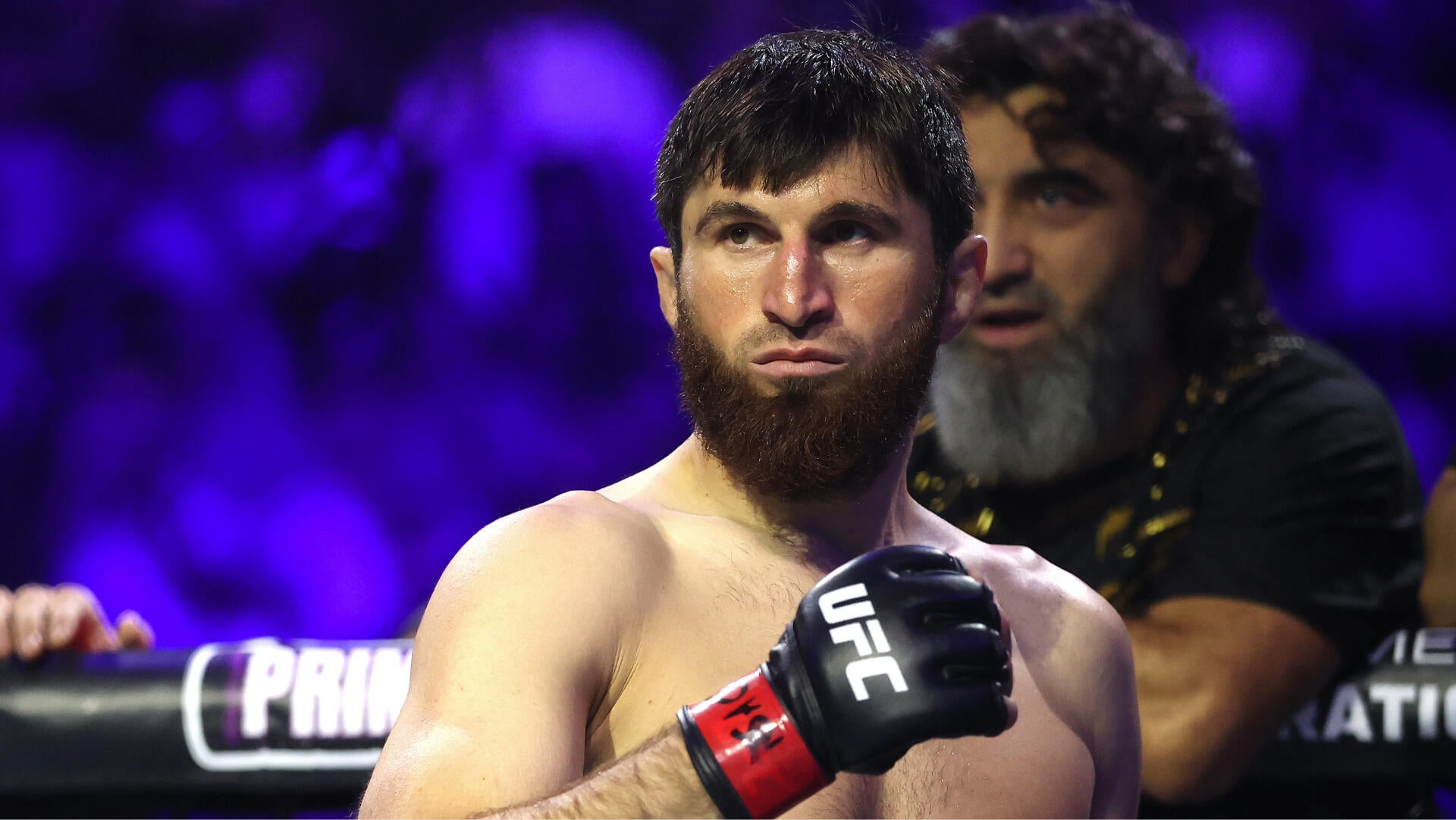
Sydney, Australia – In a candid admission that has sent ripples through the mixed martial arts world, UFC light heavyweight contender Magomed Ankalaev has revealed he was strongly advised to pull out of his high-stakes rematch against champion Alex Pereira at UFC 320 due to injury. The Dagestanian fighter now concedes his decision to compete compromised his performance and ultimately cost him the title.
“I made a mistake,” Ankalaev frankly stated in comments reported by CBS Sports NY. “I have to pay for your mistakes.” This rare level of honesty from an elite combat athlete provides a startling insight into the immense pressure and personal calculus involved in competing at the pinnacle of professional fighting, especially when millions of dollars and a coveted world title are on the line.
The Ill-Fated Rematch and Its Aftermath
The bout against Pereira, held in April, was a highly anticipated affair, a second chapter following their contentious first encounter which ended in a no-contest due to an accidental foul. The rematch, however, saw a curiously subdued Ankalaev, who despite his renowned striking prowess, appeared hesitant and less explosive than usual. Pereira capitalised, securing a decisive victory and retaining his light heavyweight championship belt. Fans and pundits speculated about Ankalaev's performance, but the true reason remained shrouded until now.
Ankalaev's revelation sheds new light on the fight's dynamics, painting a picture of an athlete battling not just an opponent, but also his own physical limitations. While specific details of the injury remain undisclosed, the fighter's admission suggests it was significant enough to warrant serious consideration for withdrawal – a testament to the pain threshold and determination often displayed by UFC competitors.
A Costly Gamble on the Grand Stage
The decision to fight through injury can be a double-edged sword. On one hand, it can be viewed as an act of immense courage and commitment to a contracted bout and a fan base. On the other, it can significantly hinder performance, potentially lead to further injury, and as Ankalaev has found, result in a demoralising loss. For an elite athlete, a compromised performance in a championship fight is not merely an inconvenience; it represents a monumental setback in a career measured in wins and losses, and ultimately, legacy.
Financially, such a decision comes with hefty implications. A UFC title fight can net a fighter hundreds of thousands, if not millions, of Australian dollars through fight purses, bonuses, and pay-per-view points. Fighting injured and losing not only forfeits the victor's share but can also impact future negotiation power and earning potential. The cost of Ankalaev's mistake extends far beyond the physical toll.
Redemption in Sight? The Path Forward
Despite the recent setback and the frank admission of his error, Ankalaev remains a top-tier contender in the UFC's light heavyweight division. His willingness to openly discuss his injury and its impact could be seen as a strategic move to reframe his loss and build anticipation for his next fight. It signals to fans that his performance against Pereira was not indicative of his true abilities, but rather a consequence of fighting under duress.
The path to redemption for Ankalaev will involve navigating a competitive division, likely with several wins needed to earn another shot at the gold. His next opponent will be crucial, and a dominant performance will be essential to erase the memory of his compromised outing against Pereira. Given his talent and prior track record, a return to fighting fit and focused could see Ankalaev once again challenging for the light heavyweight crown. This time, however, expect the Dagestanian powerhouse to prioritise his health, having learned a most expensive lesson at UFC 320.