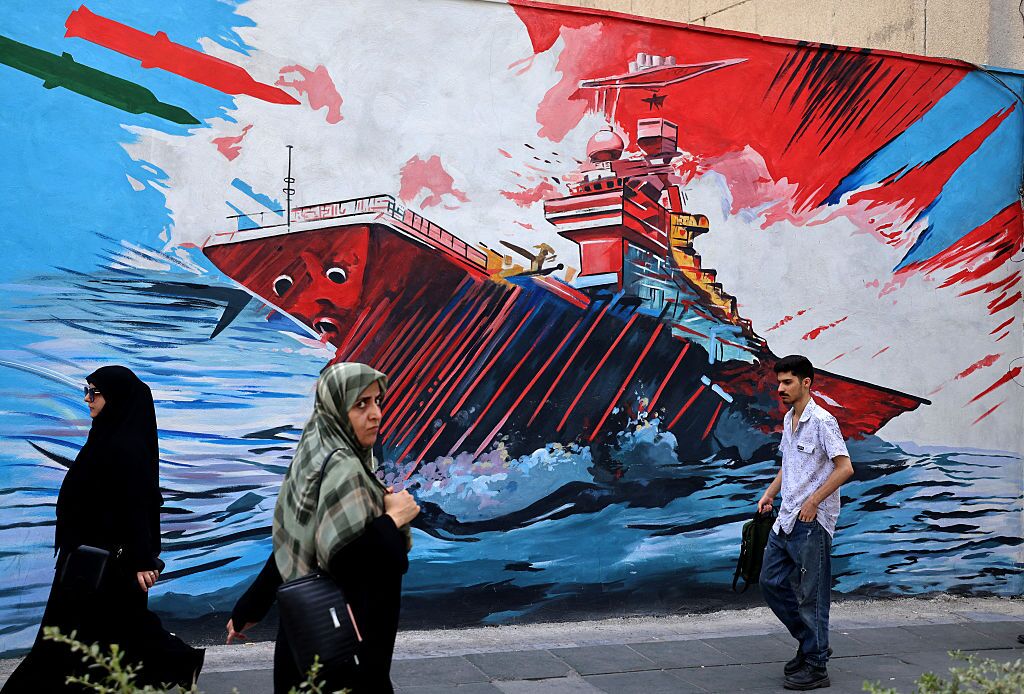
Washington D.C. awaits a poignant ceremony as US President Donald Trump prepares to participate in the dignified transfer of American service members tragically killed in the Middle East. The solemn occasion comes amid escalating financial strain due to continued military operations, with a key figure in Congress advocating for a substantial injection of funds.
Solemn Honour for Fallen Heroes
President Trump is expected to greet the fallen soldiers upon their return to American soil, an act of solemn respect for those who paid the ultimate sacrifice. While details of the specific incident leading to the casualties remain under wraps, the ceremony underscores the ongoing human cost of US military engagement in the volatile Middle East region. Such presidential attendances are rare, typically reserved for events of significant national mourning or particularly high-profile losses, signalling the White House's recognition of the gravity of the recent deaths.
Billion-Dollar Plea for Iranian Conflict
The sombre proceedings coincide with a separate, urgent plea for financial assistance from Pete Hegseth, a notable figure with strong ties to conservative media and policy circles. NPR World reported that Mr Hegseth is requesting billions of US dollars from Congress to help manage the escalating costs of the war in Iran. His appeal highlights the immense budgetary pressures placed on the US Treasury by prolonged military involvement.
The scale of the requested funding, reportedly in the billions, underscores the significant financial burden of the Iranian conflict. Experts suggest that such a substantial increase could be allocated towards a range of crucial areas, including advanced military hardware, personnel support, intelligence gathering, and humanitarian aid efforts where applicable. The plea is likely to spark intense debate on Capitol Hill, with lawmakers scrutinising the rationale and potential long-term implications of such a significant financial commitment amidst other domestic priorities.
Australian Treasury Monitors Regional Instability
Closer to home, the Australian Treasury will be closely monitoring the US expenditure, particularly given the potential flow-on effects for global financial markets and Australia's own defence budgeting. While Australia is not directly involved in the conflict in Iran, the stability of the Middle East, and the economic heft of its allies, has direct implications for Canberra's strategic and financial planning. Any significant escalation in US military spending could influence global oil prices, trade routes, and the broader geopolitical landscape, all of which directly impact Australian economic interests. Defence analysts in Canberra are understood to be assessing the potential for requests for increased Australian contributions to allied efforts in the region, albeit in non-combat roles, should the conflict broaden or intensify.
The Unfolding Cost of Prolonged Engagement
This confluence of events – a presidential tribute to fallen soldiers and a high-profile request for increased war funding – serves as a stark reminder of the multifaceted challenges confronting the United States in the Middle East. The “war in Iran,” as termed by Hegseth, signals a protracted and costly endeavour, both in terms of human life and financial resources. For Australian observers, the situation evokes familiar concerns about the long-term commitments required for distant conflicts and the careful balancing act between national security imperatives and economic realities. The unfolding debate in Washington will be keenly watched by policymakers and defence strategists worldwide, as the burden of war continues to be counted in both lives and dollars.