
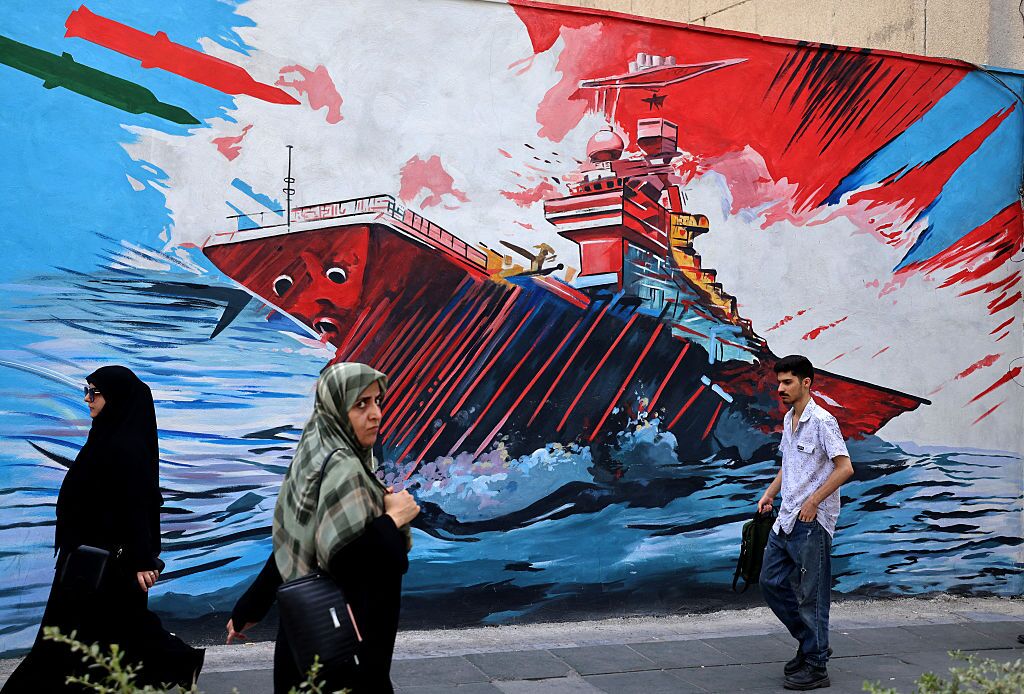
Amidst mounting global anxieties over regional instability, the strategic waters of the Red Sea have once again erupted in a series of tit-for-tat attacks between the United States and Iran. These latest confrontations threaten to irrevocably derail fragile diplomatic efforts, as both nations escalate military posturing in a critical maritime corridor vital for international trade.
The renewed hostilities transpired even as a senior Iranian diplomat engaged in high-stakes talks in Pakistan, a nation strategically positioned to mediate between the long-standing adversaries. The discussions, initially perceived as a potential pathway to reviving a long-collapsed ceasefire, now appear increasingly tenuous in the face of the escalating violence.
Escalation Threatens Shipping Lanes
The recent surge in military action has sent shockwaves through global shipping industries. Concerns are rapidly mounting over the safety of commercial vessels transiting the Red Sea, a crucial chokepoint connecting the Indian Ocean to the Mediterranean Sea via the Suez Canal. Disruptions in this waterway have historically led to significant increases in shipping costs and delays, ultimately impacting global supply chains and potentially igniting inflationary pressures that could reverberate even as far as Australian households feeling the pinch at the supermarket and petrol pump.
NPR World reported on the initial salvo of attacks, detailing the precise nature and targets of the strikes. While specific details remain guarded by both sides, the clear pattern emerging is one of retaliatory actions, with each incident seemingly designed to assert dominance and deter further aggression from the opposing force. This dangerous cycle of escalation raises fears of miscalculation and unintended consequences, particularly in a region already simmering with geopolitical tensions. The Australian government has yet to issue specific travel advisories concerning the Red Sea, however, commercial shipping companies with Australian interests are undoubtedly assessing their risk profiles.
Pakistan's Diplomatic Tightrope Walk
The timing of these attacks is particularly poignant given the ongoing diplomatic efforts in Pakistan. Sources close to the negotiations, as reported by NPR World, suggested that the Iranian official's visit was primarily focused on exploring avenues for de-escalation and potentially hammering out the framework for a renewed ceasefire agreement. Pakistan, sharing borders with Iran and maintaining complex relationships with various regional players, has often sought to play a constructive role in easing tensions in the broader Middle East.
However, the belligerent actions in the Red Sea have undoubtedly undermined the credibility and effectiveness of these diplomatic overtures. The chasm between the rhetoric of peace and the reality of kinetic engagement appears to be widening, making the task of diplomatic resolution significantly more challenging. Experts in international relations are questioning whether either side genuinely desires a peaceful resolution, or if the current posturing is merely a prelude to a more substantial and destabilising conflict.
Global Ramifications for an Already Volatile World
The persistent volatility in the Red Sea, coupled with the stalled diplomatic progress, presents a grim outlook for regional stability. Australia, as a significant trading nation, has a vested interest in the unimpeded flow of global commerce. Any prolonged disruption to shipping in such a critical waterway could have tangible economic consequences, potentially impacting everything from import costs of consumer goods to the export prices of Australian resources. Imagine the price of a barrel of oil surging well past its current AUD$120 mark, for example.
The international community is now grappling with the urgent need to find a pathway to de-escalation before the situation spirals further out of control. While the immediate focus remains on preventing a full-blown military confrontation, the broader implications for regional security architecture and global maritime trade are profound. The coming weeks will be critical in determining whether diplomacy can still prevail, or if the Red Sea is destined to become another flashpoint in an increasingly turbulent world.

