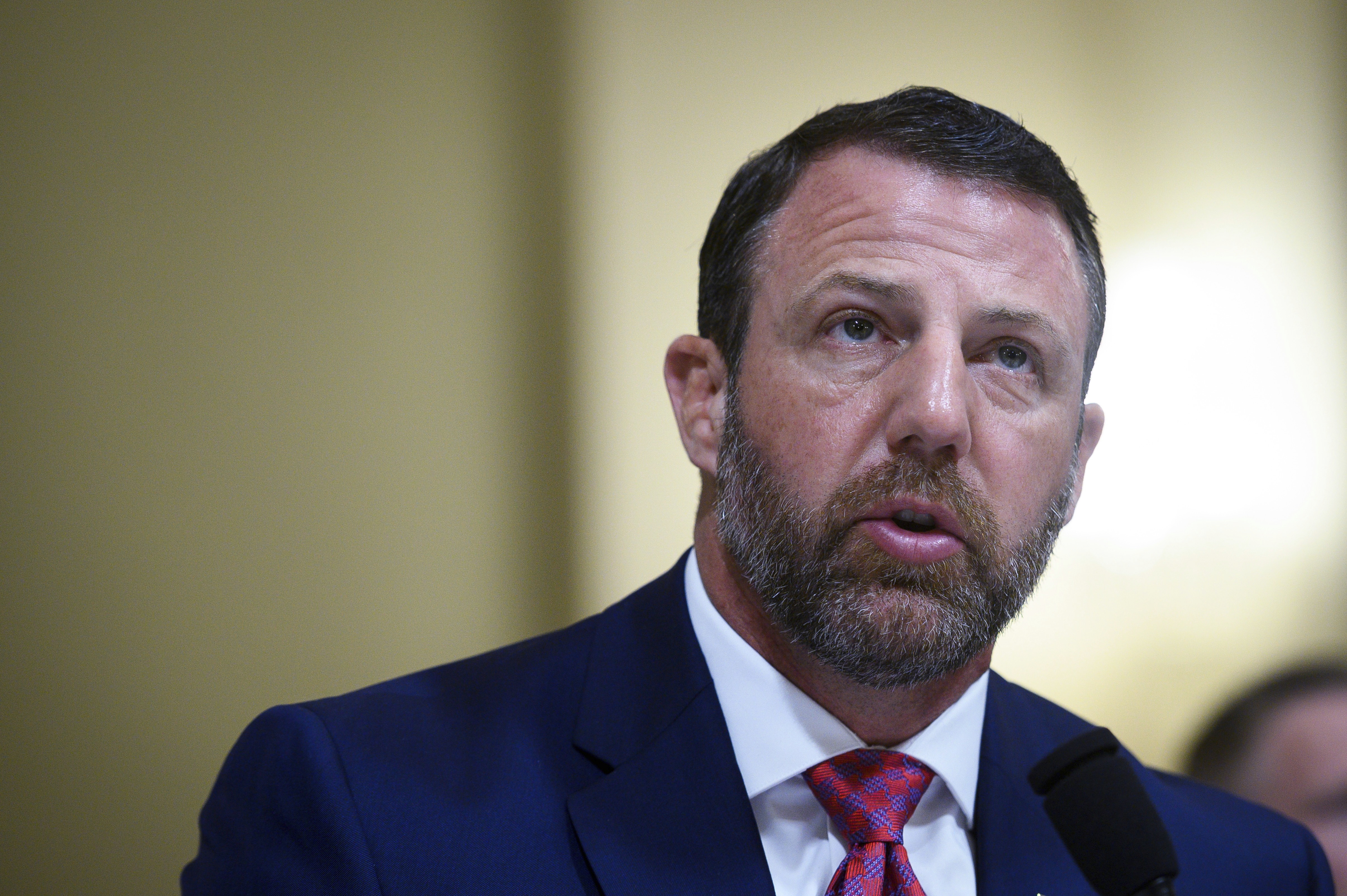
Former US President Donald Trump has nominated Republican Congressman Wesley Hunt of Texas to be the next United States Ambassador to Saudi Arabia, a critical diplomatic post that has seen a revolving door of temporary appointments for years.
The announcement, reported by US political publication The Hill, comes as Trump submitted a list of potential nominees to the Senate, setting the stage for a significant foreign policy move should he secure the presidency later this year. The US has been without a full-time ambassador in Riyadh since Michael Ratney's departure, relying on chargés d'affaires to manage the bilateral relationship.
Hunt's Background: Military Service to Congress
Wesley Hunt, 42, is a relatively new face in Washington, having been elected to the House of Representatives in 2022. A graduate of West Point and a former Black Hawk helicopter pilot, Hunt served in the US Army for 13 years, including deployments to Iraq and Saudi Arabia. This direct experience in the region could be seen as an asset, providing him with a unique perspective on the complexities of Middle Eastern geopolitics and Saudi internal affairs.
His military background aligns with a trend seen in previous Republican administrations, often favouring individuals with national security credentials for sensitive diplomatic roles. His current congressional portfolio includes membership on the House Armed Services Committee, further deepening his understanding of defence and international relations.
A Crucial Diplomatic Vacancy
The absence of a permanent US ambassador in Riyadh has been a point of contention for some foreign policy analysts, particularly given Saudi Arabia's pivotal role in global energy markets, regional security, and the ongoing diplomatic efforts surrounding the Israeli-Palestinian conflict. The kingdom is a key American ally in counter-terrorism efforts and a major player in the Organisation of the Petroleum Exporting Countries (OPEC+).
The vacancy underscores a period of sometimes strained relations, particularly during the Biden administration, which has sought to re-evaluate aspects of the US-Saudi relationship. Trump, conversely, maintained a close rapport with Saudi leadership during his first term, often prioritising economic and strategic alignments.
Implications for the Broader Middle East
Hunt's potential appointment could herald a more assertive and less scrutinised approach to Saudi-US relations if Trump wins the November election. Such a move would likely be viewed favourably by Riyadh, which values direct, high-level engagement. For Australian foreign policy, the stability and direction of US-Saudi ties are important, given both countries' roles in global energy security and broader geopolitical dynamics in the Indo-Pacific.
Any ambassadorial appointment requires Senate confirmation, a process that can be contentious, especially for high-profile posts. While Hunt's military record and congressional service provide a strong foundation, the political climate surrounding Saudi Arabia in Washington remains complex. Human rights concerns, oil production policies, and the kingdom's involvement in the Yemen conflict have all drawn scrutiny from members of both US political parties.
The Road Ahead for US-Saudi Ties
Should Hunt be confirmed, he would be tasked with navigating a relationship vital for global stability, energy markets, and regional security. His success would depend on his ability to balance Washington's strategic interests with the kingdom's evolving geopolitical ambitions, all while under the watchful eye of a potentially new US administration and a scrutinising Congress. The nomination itself serves as an early indicator of Trump's likely foreign policy priorities if he returns to the Oval Office.