
MADRID: Spanish Prime Minister Pedro Sánchez, whose political identity has been closely intertwined with a humanitarian approach to migration, is confronting arguably the most significant test of his leadership after an estimated 60,000 individuals surged across the border from Morocco into the Spanish North African enclave of Ceuta last week. The dramatic influx has ignited fierce debate both domestically and internationally, leaving Sánchez's once-lauded progressive stance vulnerable to considerable backlash.
Sánchez, a Socialist leader, ascended to power partly on a platform that embraced a more compassionate and pragmatic approach to irregular migration, contrasting sharply with some of his European counterparts. His government has often been seen as a beacon for migrant rights, famously offering refuge to the Aquarius rescue ship in 2018 when other nations turned it away. However, the sheer scale of the Ceuta incident has strained Spain's resources and patience, forcing a swift and decisive response that has drawn criticism from various quarters.
Ceuta's Unprecedented Deluge
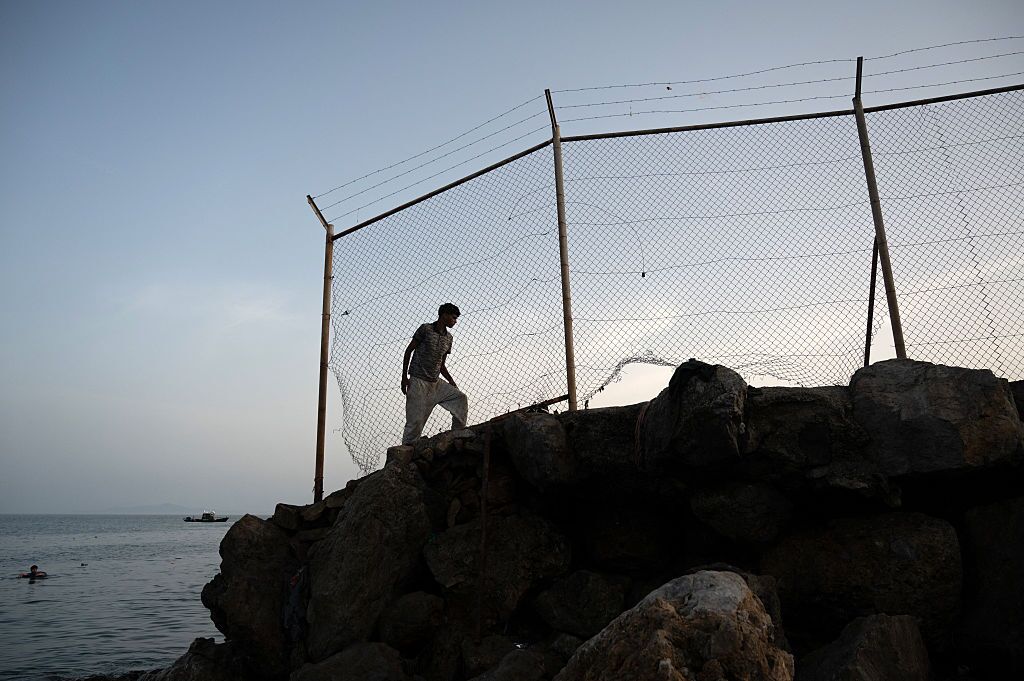
The crisis unfolded over several days, with thousands of people, including many unaccompanied minors, wading or swimming around the border fences separating Morocco from Ceuta. The Spanish military and police were deployed to manage the chaotic scenes, eventually pushing back the vast majority of the new arrivals. The sheer volume of people attempting to cross overwhelmed the enclave's capacity, creating a humanitarian challenge that quickly escalated into a diplomatic incident with Morocco.
NPR World reported on the internal and external pressures facing Sánchez, highlighting how the situation has complicated his carefully cultivated image. While many in Spain initially supported a humanitarian approach, the sight of thousands of people breaching the border has fuelled anxieties and provided ammunition for opposition parties advocating stricter immigration controls. The Spanish government, in response, swiftly deployed additional security forces and began the process of repatriating adults, though the fate of the unaccompanied minors remains a complex issue.
A Diplomatic Tightrope Walk
The events in Ceuta have not only posed an internal challenge but have also exacerbated Spain's already delicate relationship with Morocco. Analysts suggest that Morocco's decision to seemingly relax its border controls was a retaliatory measure, possibly linked to Spain's decision to provide medical treatment to the leader of the Polisario Front, a Western Sahara independence movement that Morocco considers a terrorist organisation. This geopolitical chess game has placed Sánchez in a difficult position, caught between managing a humanitarian crisis and navigating complex international relations.
The European Union has expressed solidarity with Spain, with leaders emphasising the need for a unified European response to migration challenges. However, the incident has also reignited familiar debates within the bloc about burden-sharing and external border management. For Sánchez, maintaining a principled stance on human rights while simultaneously securing Spain's borders and managing diplomatic fallout represents a formidable tightrope walk.
Shifting Sands of Public Opinion
Domestically, the crisis has prompted a re-evaluation of migration policies. While a significant portion of the Spanish populace still supports humane treatment of migrants, the scenes from Ceuta have undeniably shifted public discourse. Opposition parties, particularly the far-right Vox party, have seized on the events to advocate for tougher measures, including increased border security and more rapid deportations. This growing sentiment poses a direct threat to Sánchez's political agenda and could erode his support base.
The challenge for Sánchez now is to articulate a coherent and effective strategy that addresses both the immediate security concerns and the underlying humanitarian issues, without alienating his progressive base or succumbing to populist pressures. The events in Ceuta serve as a stark reminder that even leaders with the best intentions can find their policies severely tested by the unpredictable realities of global migration. The cost of managing such influxes, both financially and politically, is substantial, potentially running into millions of Australian dollars in immediate response and long-term integration efforts. The outcome of this period will likely define Sánchez's legacy and reshape Spain's approach to migration for years to come.
