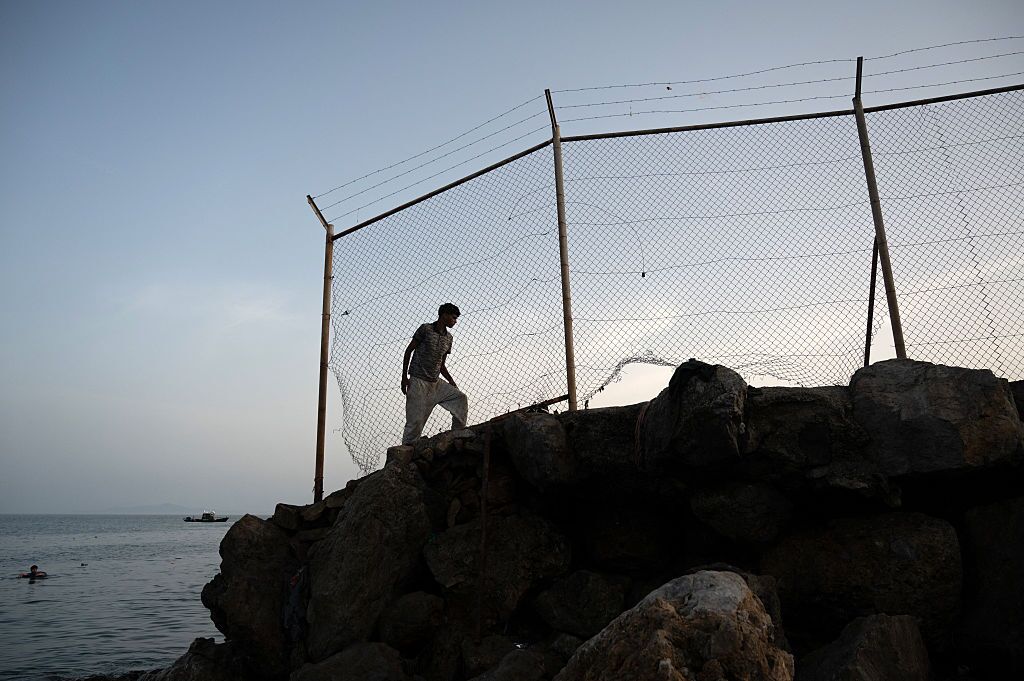
Brussels is in emergency talks after a surge in migrant crossings into Ceuta, Spain's North African enclave, ignited tense diplomatic exchanges and exposed deep divisions within the European Union. The sudden influx has prompted Spain to demand immediate EU intervention, as humanitarian concerns mount and political rhetoric escalates.
Over the past week, thousands of individuals, including many minors, have attempted to breach the heavily fortified border fences separating Morocco from Ceuta, a Spanish territory on the North African coast. The unprecedented numbers have overwhelmed local Spanish authorities and created a chaotic scene at the border, with images of desperate people swimming around breakwaters to reach European soil dominating international headlines.
Spain Demands EU Solidarity Amid Border Strain
Spanish Prime Minister Pedro Sánchez has characterised the situation as a humanitarian emergency and a direct challenge to Europe's external borders. "This is not just a Spanish border, it is a European border," Sánchez stated, appealing for greater solidarity and burden-sharing from his EU counterparts. Madrid has deployed additional military and police units to Ceuta, including armoured vehicles, in an attempt to manage the influx and return those who have crossed illegally.
However, the crisis has swiftly evolved into a diplomatic spat between Spain and Morocco, with allegations that Morocco intentionally relaxed its border controls in retaliation for Spain's decision to provide medical treatment to the leader of the Western Sahara independence movement. Morocco, for its part, denies these claims, asserting that the border situation is a consequence of Spain's stance on territorial disputes.
Humanitarian Crisis Unfolds in Enclave
The immediate priority remains the humanitarian response to the thousands of individuals now stranded or detained in Ceuta. Aid agencies are struggling to provide basic necessities, including food, water, and shelter, particularly for the large number of unaccompanied minors. Many of those attempting the crossing are reported to be from sub-Saharan Africa, though a significant proportion are also Moroccan nationals.
"The sheer volume of people, many of whom are extremely vulnerable, presents an enormous logistical and humanitarian challenge," commented a spokesperson for a European aid organisation, speaking on condition of anonymity. "There's an urgent need for coordinated action to ensure their safety and dignity, irrespective of their legal status."
Brussels Grapples with Fractured Response
The BBC World reported that the European Union has convened an emergency meeting of senior officials to discuss a unified approach to the crisis. However, the discussions are complicated by the EU's long-standing internal disagreements over migration policy, particularly regarding border control, asylum procedures, and the distribution of migrants among member states. Some northern European nations have historically been reluctant to share the burden with frontline states like Spain, Italy, and Greece.
Germany and France have expressed support for Spain, with German Chancellor Angela Merkel emphasising the need for a "common European answer." Yet, there is palpable concern in Brussels that the Ceuta situation could exacerbate existing tensions and further fragment the bloc's already fragile migration strategy. Analysts suggest that the crisis highlights the critical need for a more robust and equitable EU-wide migration pact, capable of responding effectively to sudden and significant border challenges.
Financial Aid and Future Implications
While the immediate focus is on managing the current influx, discussions are also turning to potential long-term solutions and financial assistance. The EU has previously provided Morocco with substantial aid packages, partly aimed at bolstering its border security efforts. There is now speculation that further financial incentives or diplomatic pressure may be applied to encourage Morocco to re-establish stricter border controls.
The crisis in Ceuta serves as a stark reminder of the volatile nature of Europe's external borders and the complex interplay of humanitarian, political, and diplomatic factors that drive migration flows. With no immediate resolution in sight, the EU faces a critical test of its unity and its capacity to address shared challenges effectively.