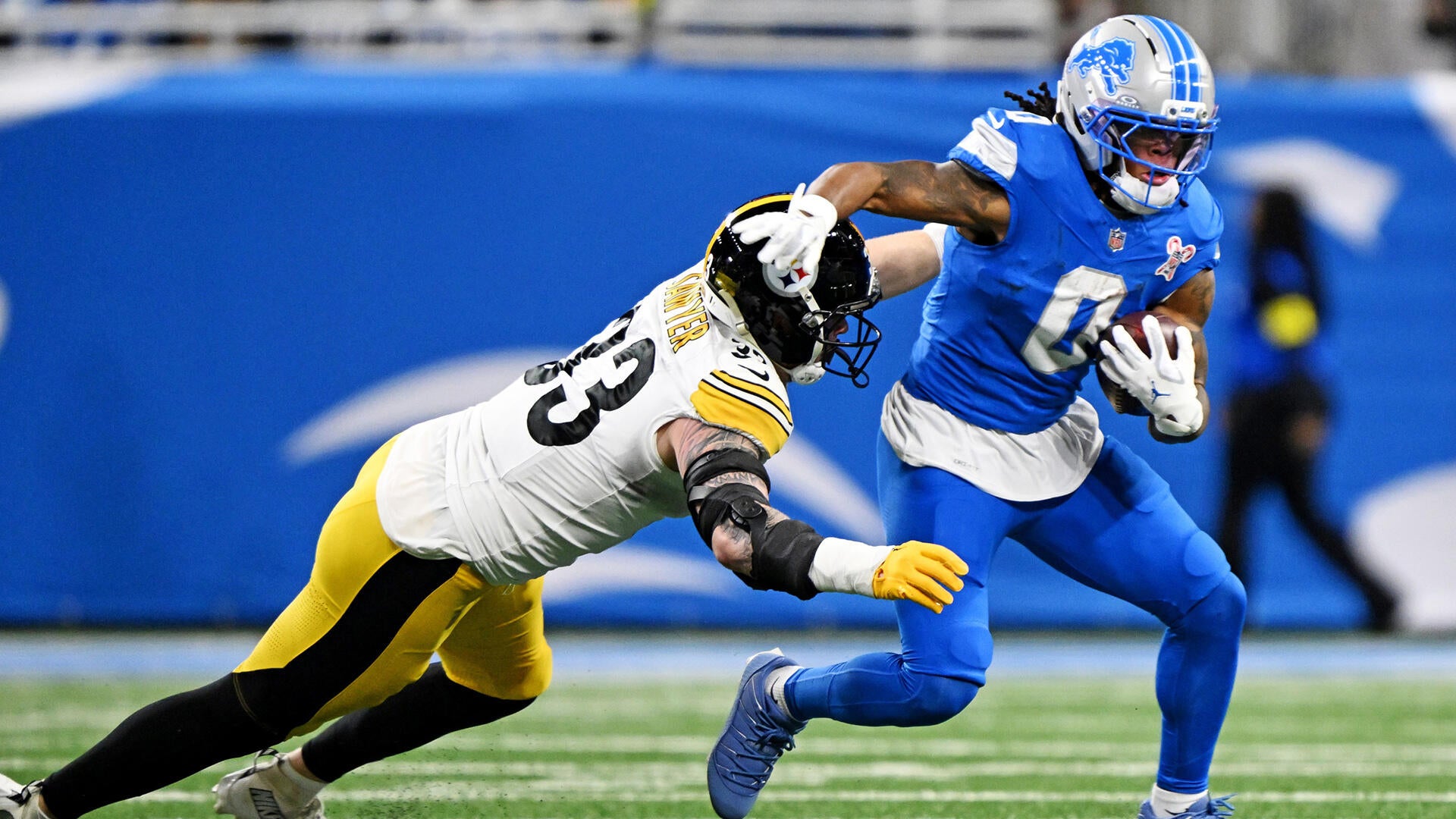
The gridiron’s bruising, electrifying running backs, once considered a diminishing asset in American professional football, are staging a remarkable financial resurgence. Following a lean period where salaries stagnated and teams prioritised other positions, a series of high-profile contracts has unequivocally shifted the market, restoring confidence and significant earning potential to these often underappreciated athletes.
For years, the narrative was stark: running backs were expendable, easily replaced, and not worth top-tier money. Teams, increasingly focused on passing attacks, hesitated to commit long-term, lucrative deals to players whose careers were often shorter due to the brutal physical demands of the position. This trend led to a noticeable depression in salaries, impacting even elite performers.
The Tide Turns: A New Financial Quarterback
Recent blockbuster deals are rewriting this script. The likes of Christian McCaffrey, Saquon Barkley, and Josh Jacobs have inked contracts reflecting a renewed appreciation for their game-changing abilities. CBS Sports NY, a prominent American sports news outlet, recently highlighted this shift, reporting on how agents are now optimistic about what they're calling a 'resurgent' running back market. The deals are not merely incremental increases; they represent a fundamental recalibration of value.
McCaffrey, for instance, secured a four-year extension worth US$64 million (approximately A$96 million), making him the highest-paid running back in NFL history at the time. Barkley, despite facing earlier franchise tag disputes, eventually secured a three-year, US$37.75 million (A$57 million) deal with the Philadelphia Eagles. These figures are not only substantial in their own right but also serve as benchmarks for future negotiations, illustrating that teams are once again prepared to invest heavily in versatile, high-impact running backs.
New Talent Driving Up the Ante
The arrival of dynamic young talents like Jahmyr Gibbs and Bijan Robinson is further fuelling this upward trend. Both players, drafted in the first round — a rarity for running backs in recent years — have quickly demonstrated their immense value, pushing the ceiling for what teams are willing to pay for elite production. Their early success has validated the high draft capital spent on them, sending a clear message that transcendent players at the position are still highly coveted.
The strategic value of a dominant running back extends beyond mere rushing yards. In today's NFL, versatility is key. Players who can run with power, catch out of the backfield, and contribute to pass protection become invaluable offensive weapons, making them far more than just 'ground-gainers.' This multifaceted skill set allows them to remain on the field for a higher percentage of snaps, justifying their increased financial demands.
Broad Implications for the League
The re-evaluation of the running back market has broader implications for team building and salary cap management across the NFL. It suggests a potential shift away from a purely pass-centric offensive philosophy, or at least an acknowledgement that a balanced attack, spearheaded by a premier running back, remains a formidable strategy. For players, this resurgence offers a much-needed boost in earning power and job security, correcting what many identified as a significant imbalance in player compensation.
While the market may still fluctuate, the current trend indicates a robust future for running backs. Their ability to deliver crucial yardage, score touchdowns, and alleviate pressure on quarterbacks is being financially recognised, signifying a major comeback for one of football's most demanding and historically significant positions.