American football, a sport increasingly dominated by high-flying passing attacks, has seen the running back position seemingly relegated to a secondary role. For years, the prevailing wisdom in the National Football League (NFL) has been that investing significant capital – particularly second contracts – in running backs is a fool's errand. Their careers are notoriously short, the wear and tear immense, and the perceived ease of replacement high.
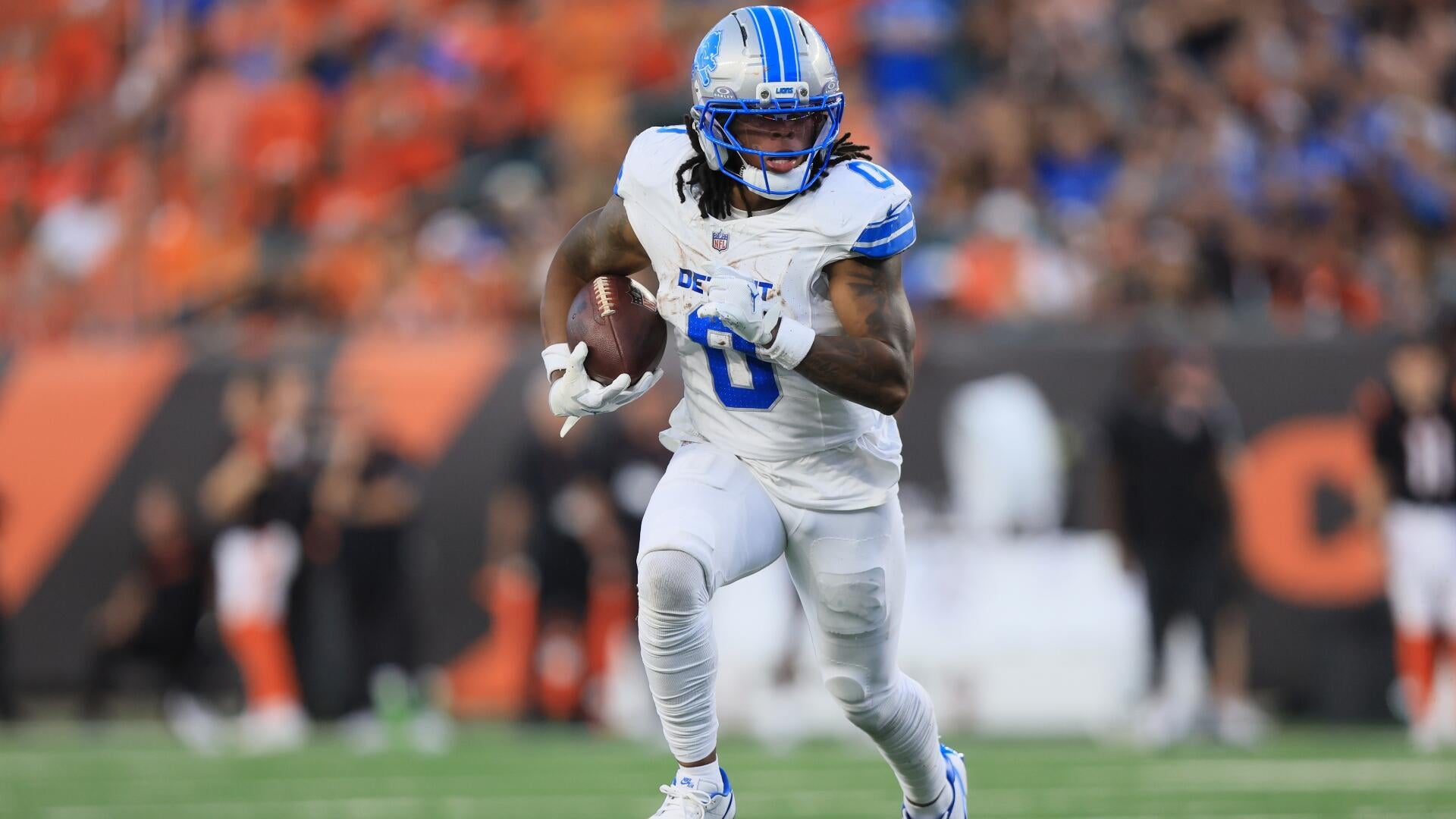
However, a recent report from CBS Sports NY is challenging this long-held belief, arguing that elite young running backs like Bijan Robinson and Jahmyr Gibbs are not just valuable, but demonstrably worth paying top dollar for. The report posits that fear surrounding second-contract running backs is significantly overblown, citing historical data that suggests high-performing young players continue to deliver after securing lucrative deals.
The Australian Dollar Value of Gridiron Groundwork
To put it in Australian terms, we're talking about multi-million dollar contracts, often exceeding $20 million AUD per season, for players who traditionally have a shorter shelf life than their counterparts in other positions. For teams, this represents a substantial financial commitment, a gamble on continued performance and durability. Yet, CBS Sports NY makes a compelling case: these players are extraordinarily difficult to replace. They don't just run with the ball; they are often crucial components of a team's passing game through receptions, and exceptional blockers in pass protection, a skill often overlooked but vital for quarterback safety. The intangible leadership and morale boost they bring to an offence also has a dollar value.
Beyond the Bell-Cow Blueprint
The modern NFL running back is no longer simply a 'bell-cow' back who carries the ball 25-30 times a game. Players like Robinson and Gibbs are versatile athletes, capable of lining up in the backfield, in the slot, or even out wide, creating mismatches for defences. This multifaceted skill set makes them indispensable. Their ability to consistently gain positive yardage, convert crucial third downs, and break tackles under immense pressure buys time for play-callers and dictates the tempo of a game. When considering the 'opportunity cost' of not having such a player, compared to a cheaper, less effective alternative, the argument for paying an elite back strengthens considerably.
History's Verdict: Elite Endurance
The most powerful ammunition in CBS Sports NY's argument is historical precedent. The report meticulously details how several running backs who received significant second contracts continued to produce at an elite level. These aren't isolated incidents; statistical analysis suggests a trend of sustained excellence from those young backs deemed worthy of a substantial investment. The narrative that running backs 'fall off a cliff' after their rookie deals might hold true for some, but for the truly exceptional, their prime extends beyond what conventional wisdom suggests. This directly challenges the 'plug-and-play' philosophy that has permeated NFL front offices regarding the position.
The Folly of Fiscal Conservatism?
Ultimately, the report suggests that NFL teams risk undermining their own success by being overly fiscally conservative with their best running backs. While managing the salary cap is paramount, undervaluing and subsequently losing truly transcendent talent at any position, including running back, is a strategy fraught with peril. In a league where every edge counts, the ability to retain a game-changing offensive weapon like a Robinson or a Gibbs could be the difference between a playoff berth and a Super Bowl victory. For Australian fans waking up to highlights, these big contracts mean more thrilling plays and potentially more gridiron glory.