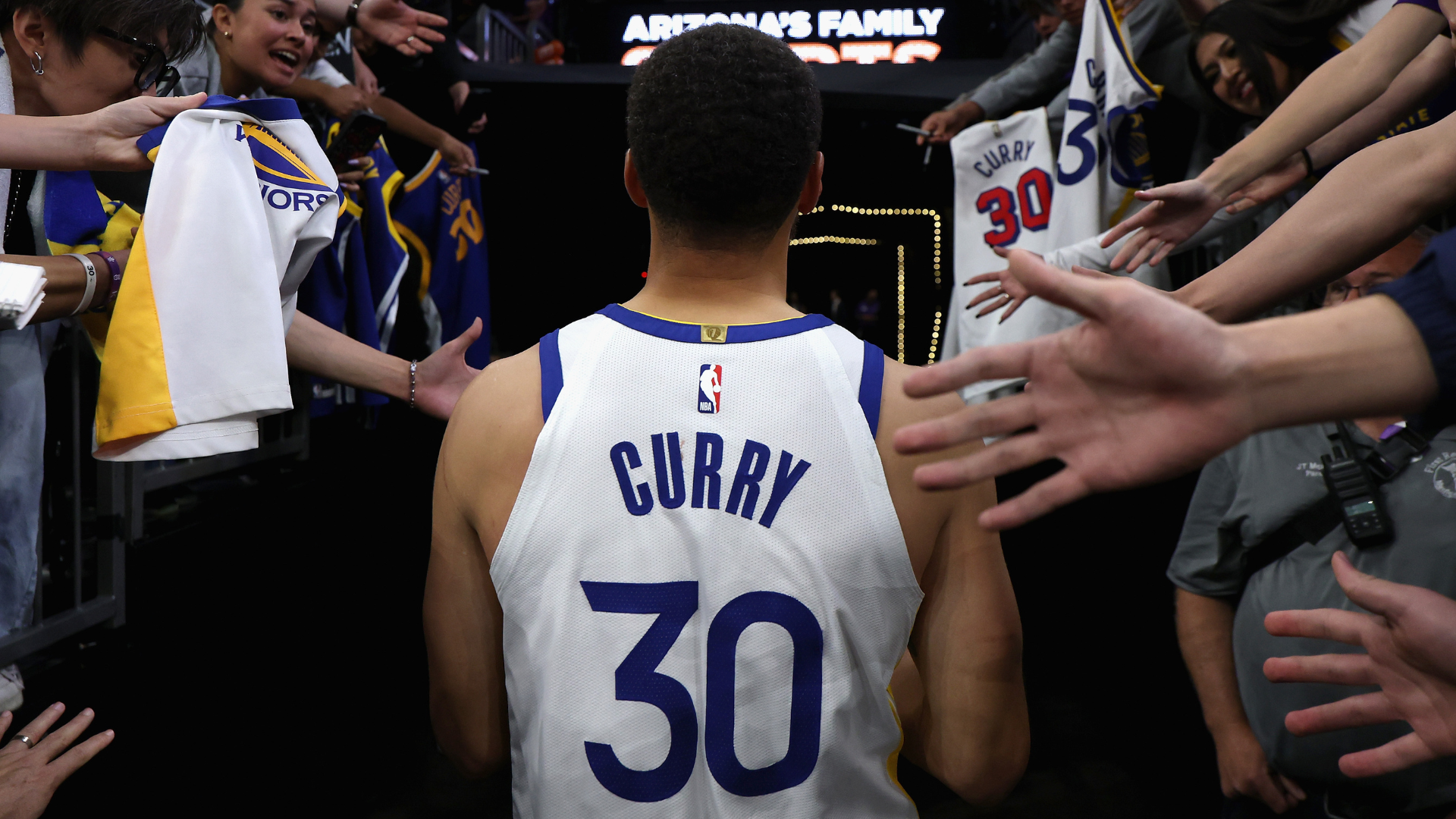
The Golden State Warriors, one of the National Basketball Association's most storied franchises, are facing intense scrutiny from US sports pundits for a perplexing off-season strategy that has seen them remain conspicuously silent in player acquisition. As other teams aggressively bolster their rosters through trades and free agency, the Warriors have notably failed to add a single new face, leaving both fans and analysts questioning their commitment to maximising the remaining prime years of future Hall of Famer, Stephen Curry.
CBS Sports NY, a prominent American sports media outlet, recently delivered a scathing assessment, declaring the Warriors are “marginalizing the end of Stephen Curry's prime” and labelling it a “basketball sin.” This strong condemnation reflects a growing sentiment across the Pacific that Golden State's management is making a monumental misstep, potentially costing Curry — and the franchise — further championship glory.
Unprecedented Inactivity Raises Eyebrows
In an NBA landscape renowned for its relentless player movement, the Warriors' complete lack of off-season transactions is unprecedented. Every other team in the league has engaged in either a trade or signed a free agent, investing significant capital to improve their prospects. The Warriors, however, have opted for a strategy of stasis, a decision that has left many scratching their heads. This inaction is particularly perplexing given that Golden State finished last season with a respectable 46 wins and a playoff berth, demonstrating that they are not a team in need of a complete rebuild, but rather strategic enhancements.
Comparatively, teams like the Los Angeles Lakers and Phoenix Suns have made high-profile moves, trading for star players and signing key role players to multi-million dollar deals. While these moves involve significant salary cap implications – often in the tens of millions of US dollars annually – they signal an intent to compete at the highest level. The Warriors' silence, conversely, conveys a perplexing lack of urgency.
The Cost of Complacency for a Legend
Stephen Curry, at 36 years old, remains an elite-level performer, defying conventional age-related decline for most athletes. Last season, he averaged more than 26 points and nearly 5 assists per game, continuing to showcase his unparalleled shooting prowess and offensive brilliance. Yet, even for a player of Curry's calibre, the window for championship contention is finite. Each passing season without significant roster upgrades not only diminishes the team's chances but also, arguably, wastes a precious year of Curry's extraordinary career.
Australian basketball fans, many of whom closely follow the NBA, understand the importance of surrounding generational talent with capable supporting casts. The concern is that while Curry continues to perform at an MVP-calibre level, the current roster might not be strong enough to overcome the increasingly competitive Western Conference. The opportunity cost of not adding another impactful player could be the difference between another championship parade and an early playoff exit.
A Perilous Bet on Internal Growth
The Warriors' apparent strategy seems to be a perilous bet on internal development and the hope that their existing young talent will make a substantial leap. While players like Jonathan Kuminga and Trayce Jackson-Davis have shown flashes of potential, relying solely on their unproven growth to bridge the gap against top-tier contenders is a high-risk gamble. This approach, CBS Sports NY points out, could be seen as an underestimation of the ruthlessness required to sustain an NBA dynasty.
For a team that has won four championships in the last decade, the current inertia feels uncharacteristic. Previous off-seasons often saw the Warriors make shrewd moves, whether adding veteran depth or trading for established players to complement their core. This year's quietude signals a departure from that aggressive, championship-driven philosophy, leaving their fanbase in a state of unease as the new season looms. The financial implications of potential luxury tax penalties, which can run into many millions of AUD, are often cited as a reason for restraint, but many believe the cost of inaction could be far greater: a squandered opportunity for a GOAT-level player.