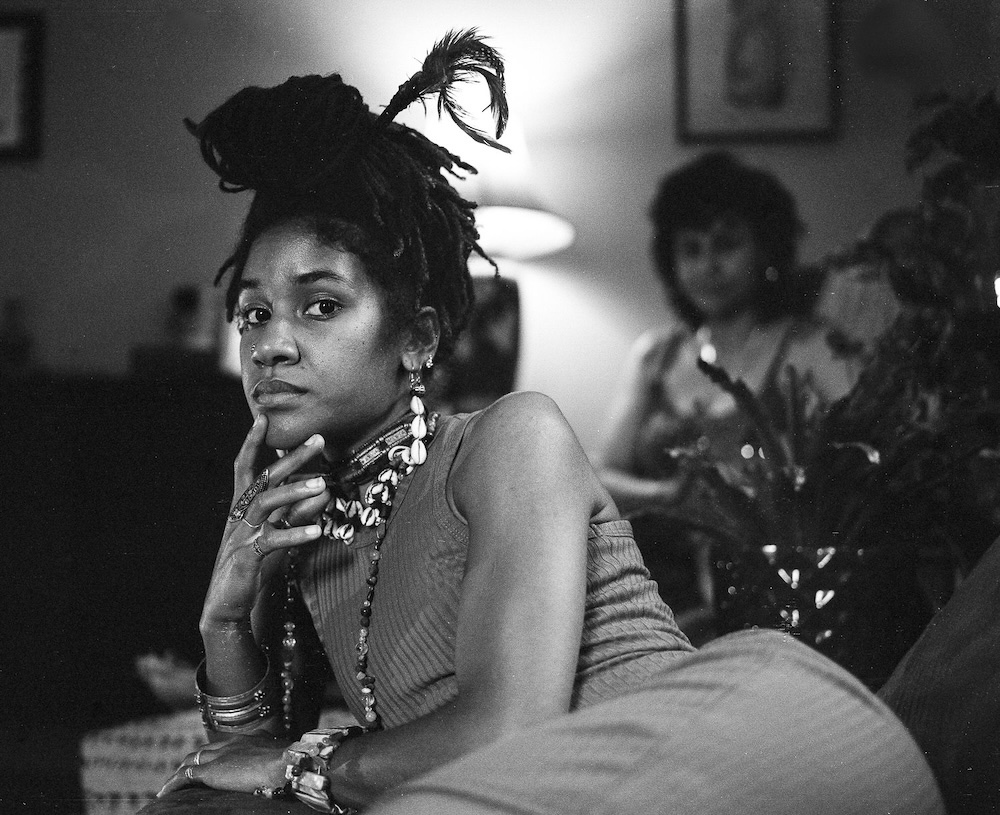
In a poignant twist on America's historical Great Migration, a New York City family has embarked on a journey south, an unconventional homecoming captured through the lens of photographer Laila AnnMarie Stevens. Her series, "The Clayton Sisterhood Project," documents this significant reverse migration, offering a fresh perspective on identity, belonging, and the enduring pull of ancestral lands.
Stevens' work, highlighted by NPR Arts, intricately weaves together personal narrative with broader social commentary. The move from the vibrant, diverse metropolis of New York to the more rural, historically significant region of North Carolina represents a deliberate choice to reconnect with family roots and forge a new sense of community. This shift stands in stark contrast to the early 20th-century Great Migration, which saw millions of African Americans leave the agrarian South for industrial opportunities in the North.
Unpacking the Great Reversal
For generations, the narrative of African American migration has largely flowed from the South to the North. Economic opportunity, escape from racial oppression, and the promise of a different life drew families northward. However, Stevens' family's decision reflects a growing trend, albeit a less documented one, of descendants returning to their ancestral homes. This reverse migration is often driven by a desire for a slower pace of life, lower cost of living – a stark comparison to Sydney's astronomical housing prices – and a deeper connection to cultural heritage.
NPR Arts reported that Stevens’ project not only captures the physical move but also the emotional and cultural adjustments involved. Her photographs depict the nuances of settling into a new environment, from everyday moments of domestic life to explorations of the North Carolina landscape. The series serves as a powerful visual diary, inviting viewers to contemplate the complexities of belonging and the evolving definition of 'home'.
A Visual Dialogue Across Generations
"The Clayton Sisterhood Project" extends beyond mere documentation; it initiates a dialogue across generations. Through her camera, Stevens explores how her family navigates this return to a region deeply imprinted by their history, yet now experienced through a contemporary lens. The photographs juxtapose the familiar with the new, highlighting both the continuities and disjunctions of identity in motion. It's a testament to the resilience and adaptability of families, much like many Australian families who've moved from bustling cities to regional areas seeking a different lifestyle.
Capturing the Nuance of New Beginnings
The artistic merit of Stevens' work lies in its ability to convey profound themes through intimate, everyday scenes. Her compositions are imbued with a sense of quiet observation, allowing the viewer to enter the private world of her family as they build a new life. From portraits bathed in natural light to wider shots of their new surroundings, each image contributes to a larger tapestry of a family in transition. This focus on authentic moments resonates deeply, reflecting universal experiences of change and adaptation, whether it's a family relocating from Melbourne to Perth or an individual moving from the UK to Australia.
By focusing on her immediate family, Stevens creates a deeply personal narrative that simultaneously speaks to broader socio-historical trends. Her work challenges us to reconsider preconceived notions about migration patterns and to appreciate the diverse motivations that drive individuals and families to redefine their geographical and cultural homes. The project offers a compelling contemporary chapter to the ongoing story of human movement and the search for belonging.
The Enduring Legacy of Place
The move to North Carolina is more than just a change of address; it's a reclamation of heritage. The family’s return to the South is symbolic, suggesting a desire to actively engage with and contribute to the region that shaped their ancestors. Stevens' photography not only records this journey but also celebrates the rich cultural tapestry of the American South, often overlooked in mainstream narratives. The project, therefore, becomes a significant contribution to understanding the evolving dynamics of race, place, and identity in the 21st century, offering a lens through which to view similar cultural and geographical shifts globally.