The dust has settled on Major League Baseball’s 2026 trade deadline, marking a frenetic period of player movement that has significantly reshaped the pennant race. While some franchises strategically bolstered their rosters for a postseason push, others, particularly the New York Yankees, have been criticised for a lacklustre showing, according to CBS Sports NY.
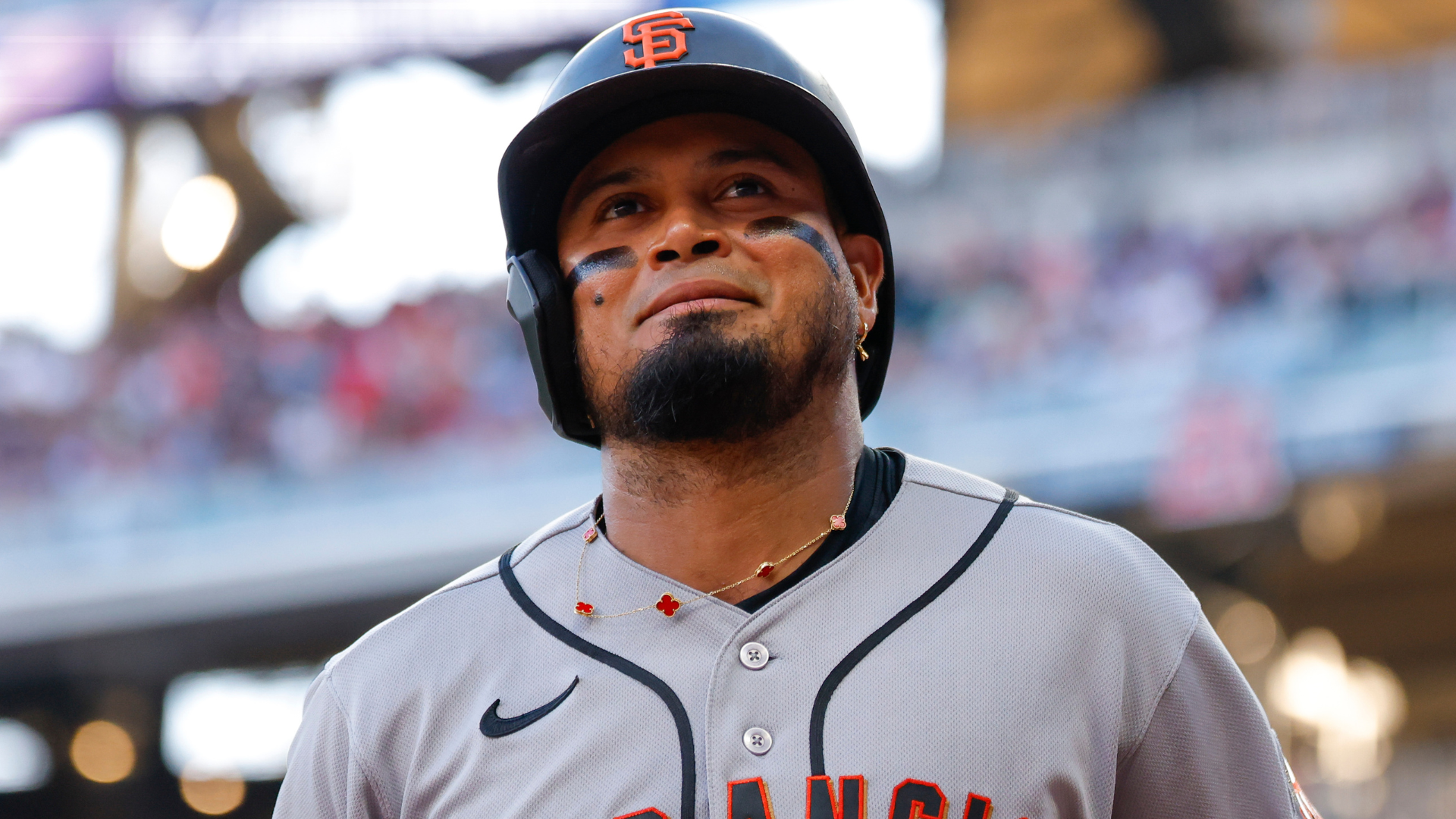
This year’s deadline was characterised by a vibrant seller’s market, a boon for teams looking to offload veteran talent for promising prospects. The San Francisco Giants and New York Mets are widely considered the biggest beneficiaries, executing shrewd deals that replenished their farm systems and secured their long-term futures.
Giants Strike Gold in Prospect Haul
The San Francisco Giants, a team hovering around .500 and unlikely to contend for a World Series title, expertly navigated the deadline as sellers. They strategically moved several expiring contracts and mid-tier veterans, netting an impressive haul of highly-rated prospects. CBS Sports NY highlighted their ability to capitalise on the high demand for pitching and established hitters, extracting maximum value from their assets.
One significant move involved sending veteran starting pitcher, a fan favourite, to an American League contender for a package that included two top-100 prospects and a promising young outfielder. This shrewd play not only infused their minor league system with significant talent but also freed up considerable payroll. This financial flexibility will allow the Giants to be aggressive in the upcoming free agency period, potentially targeting a marquee Australian talent if the opportunity arises.
Mets Master the Seller’s Market
Similarly, the New York Mets, despite their lofty payroll, found themselves out of the playoff picture and opted for a strategic pivot. Rather than throwing good money after bad, they embraced the role of seller, offloading several high-priced, underperforming stars. This bold strategy, while initially unpopular with some sections of their fan base, is expected to pay dividends in the long run.
The Mets’ most notable transaction saw them trade their star slugger for a collection of promising young arms and a substantial cash consideration, reportedly in the tens of millions of Australian dollars, to cover a significant portion of the player’s remaining contract. This move, as reported by CBS Sports NY, was a clear signal of their commitment to rebuilding and creating a sustainable winner. The influx of pitching prospects addresses a long-standing organisational need and positions them well for future success.
Yankees Fail to Capitalise
In stark contrast to the Giants and Mets, the New York Yankees are widely perceived as one of the deadline’s biggest disappointments. Despite being a perennial contender with a substantial budget, the Bronx Bombers made only minor adjustments to their roster, failing to address glaring weaknesses, particularly in their starting rotation and bullpen. CBS Sports NY’s analysis was particularly scathing, suggesting the Yankees “didn’t do enough” to improve their chances in a competitive American League East.
While they did acquire a solid veteran reliever, the lack of a significant impact move has left many pundits scratching their heads. Their rivals, including the Baltimore Orioles and Toronto Blue Jays, made more impactful additions, further widening the gap. This conservative approach, especially given their current standing, has raised questions about the Yankees’ long-term strategy and their ability to keep pace with an evolving league.
Implications for Australian Talent
While direct impacts on Australian players are still emerging, the high demand for pitching and versatile position players could create opportunities for emerging Australian talent in future trade windows. Teams looking to rebuild, like the Giants and Mets, are often keen to acquire young, cost-controlled prospects, a category in which several Australian players currently plying their trade in the minor leagues could feature.
The 2026 MLB trade deadline served as a stark reminder of the cutthroat nature of professional baseball. While some teams emerged with a clear path forward, others face an uphill battle, highlighting the critical importance of strategic foresight in the ever-evolving landscape of the ‘Great American Pastime’.