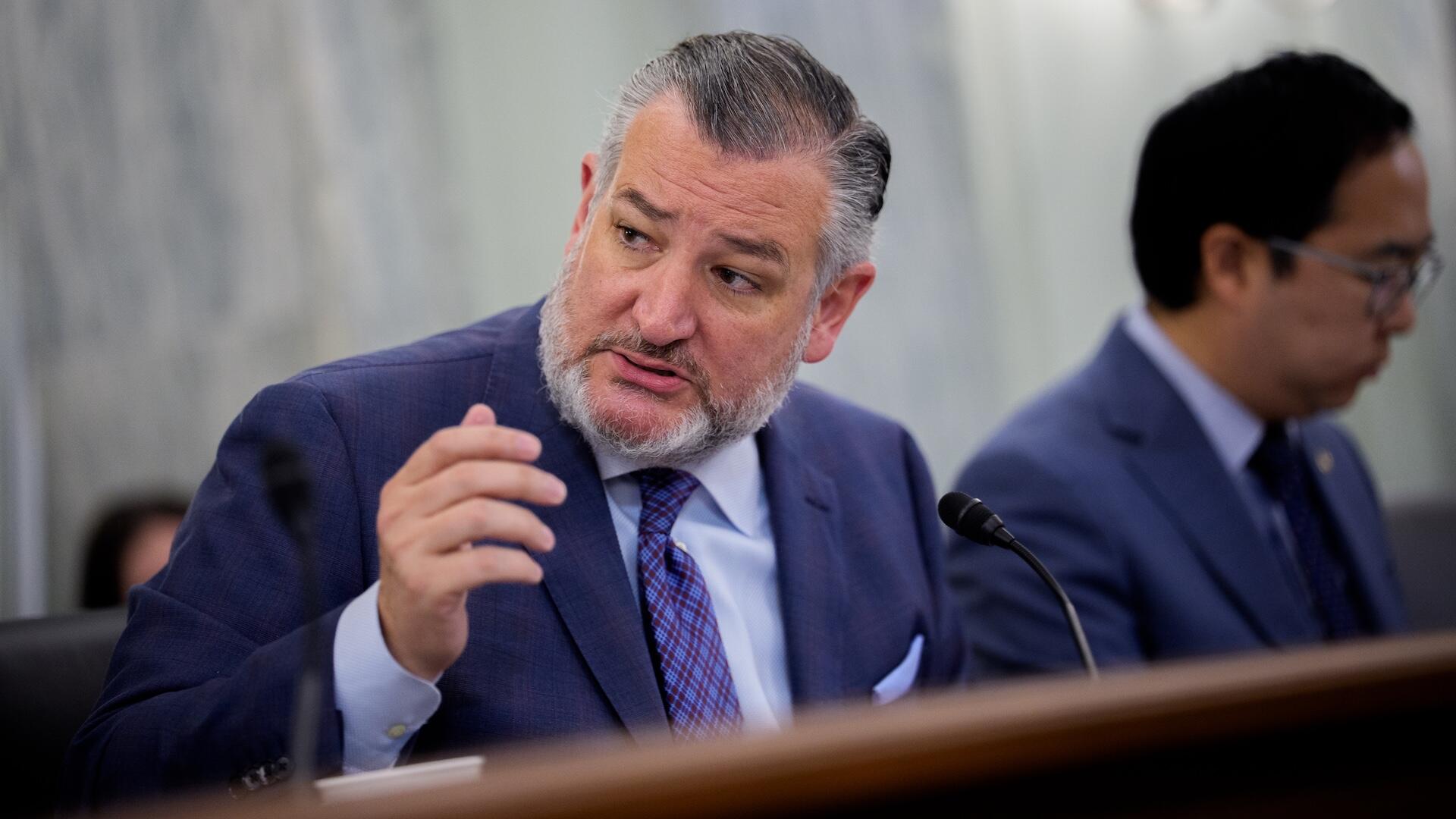
WASHINGTON D.C. – A bold prediction from US Senator Ted Cruz has ignited debate across American sports and political landscapes, with the Texan Republican forecasting former President Donald Trump could sign a pivotal college sports reform bill into law by the 2026 football season. However, the ambitious timeline for the ‘Protect College Sports Act’ faces a gauntlet of legislative challenges, with its journey through the Senate far from assured.
Cruz, a key architect of the proposed legislation, expressed his optimism to CBS Sports NY, suggesting the bill could clear the Senate as early as this week. This assertion has raised eyebrows among Washington insiders, given the notoriously glacial pace of congressional action and the bipartisan complexities inherent in regulating the lucrative world of collegiate athletics. The bill aims to establish a national framework for name, image, and likeness (NIL) deals for student-athletes, an area currently governed by a patchwork of state laws that have led to considerable confusion and inconsistency.
The Looming NIL Battleground
The landscape of American college sports has been irrevocably altered by the advent of NIL rights, allowing student-athletes to profit from endorsements, sponsorships, and appearances. While intended to empower young talent, the current decentralised system has created a chaotic environment. Critics argue it has led to an uneven playing field, where wealthier programs can more easily attract top recruits through lucrative NIL collectives, effectively blurring the lines between amateurism and professional sports. The ‘Protect College Sports Act’ seeks to impose federal oversight, standardising rules and providing clarity for universities, athletes, and brands alike. This move is seen by proponents as crucial to maintaining competitive balance and ensuring athlete welfare, though some fear it could stifle the nascent economic opportunities for student-athletes.
A Republican Playbook?
Senator Cruz’s confident projection of a Trump signing ceremony for a bill still in its early legislative stages underscores the political calculus at play. Tying the legislation to a potential second Trump administration suggests a strategic move to rally conservative support and perhaps position the Republican Party as the champion of collegiate athletic reform. The bill's emphasis on national consistency and economic regulation aligns with certain conservative principles, even as it ventures into new territory for federal intervention in sports. However, gaining bipartisan consensus will be critical. Any significant federal legislation typically requires broad support, especially in a deeply divided Senate where procedural roadblocks can easily derail even popular initiatives.
Hurdles on the Senate Floor
Despite Cruz's bullish outlook, the path through the Senate is fraught with peril. Crafting legislation that satisfies the diverse interests of collegiate athletic conferences, universities, student-athletes, and NIL collectives is a monumental task. There are ongoing debates over issues such as revenue sharing, athlete employment status, and the extent of federal preemption over state laws. Furthermore, the legislative calendar is perpetually crowded, and finding sufficient time and political will to push through a complex sports bill, when other pressing national issues demand attention, will be a challenge. Previous attempts at federal NIL legislation have stalled, highlighting the deep divisions and competing visions for the future of college sports. For the ‘Protect College Sports Act’ to succeed, it will require deft political maneuvering and significant compromise from both sides of the aisle, a prospect that often proves elusive in contemporary Washington. Even if it were to pass the Senate this week, as Cruz suggested to CBS Sports NY, it would still need to navigate the House of Representatives and ultimately secure the President's signature – a lengthy process rarely completed within such an ambitious timeframe.