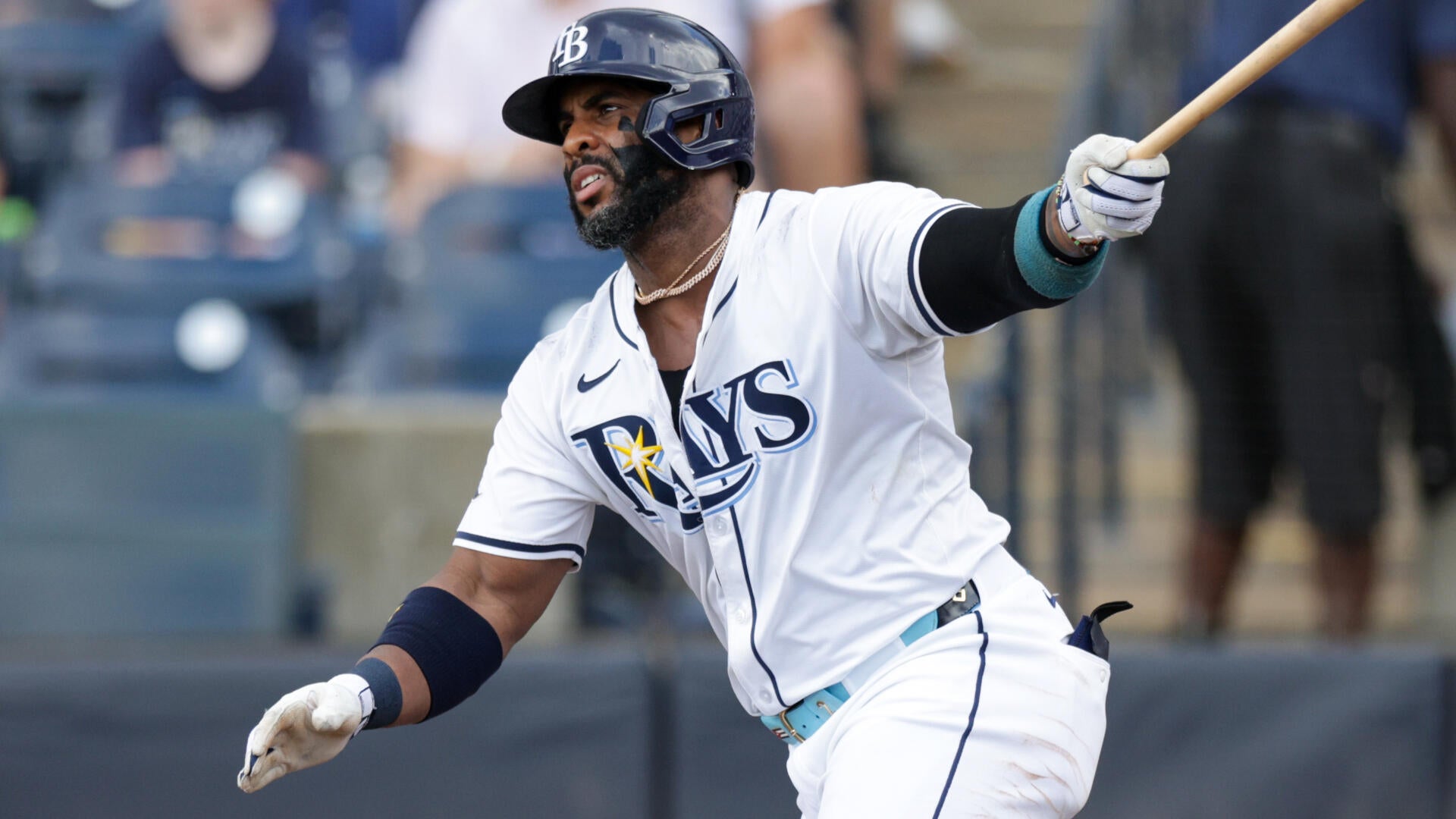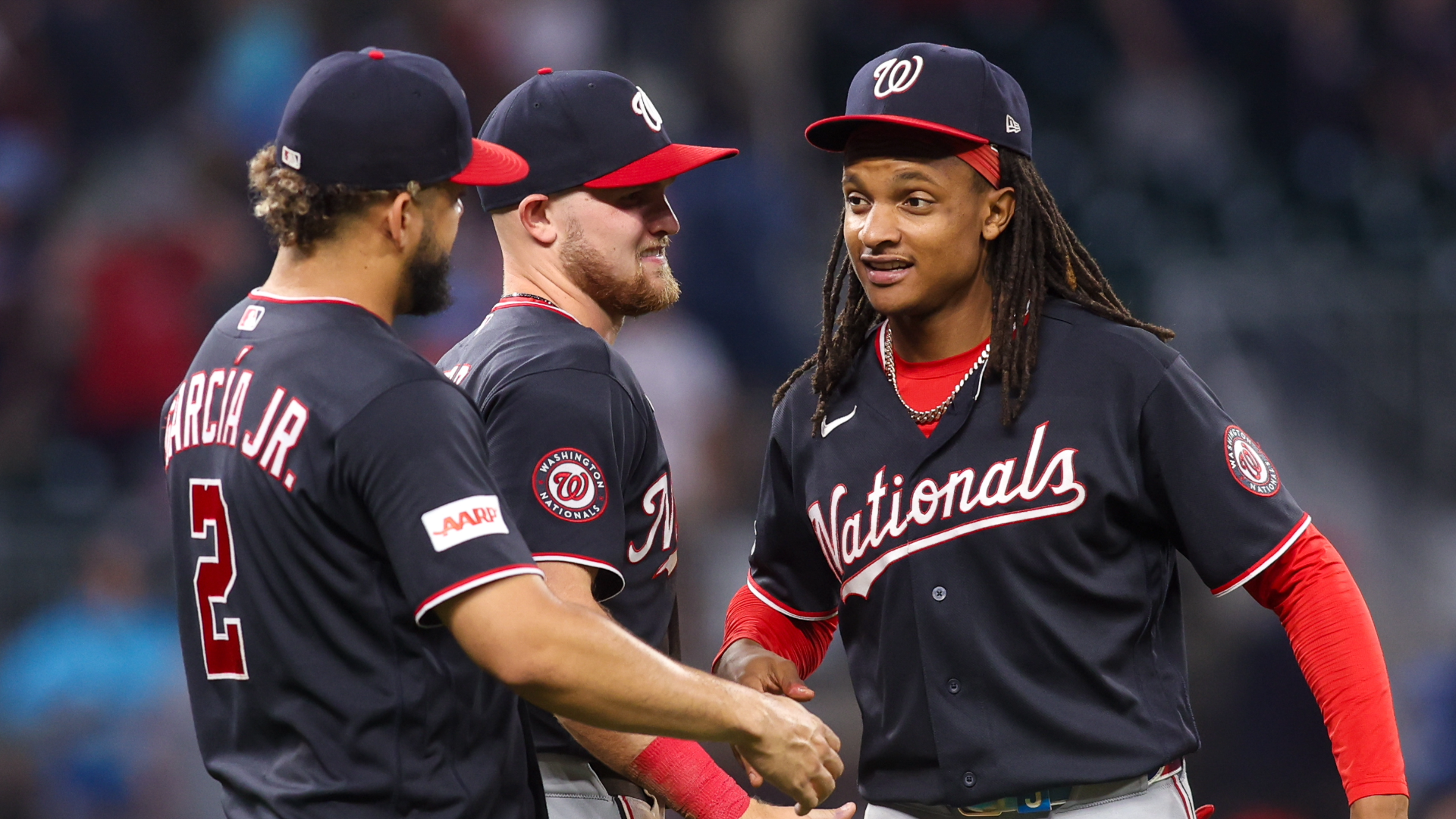
The eagerly anticipated 2026 Major League Baseball (MLB) trade deadline is shaping up to be a veritable 'seller's market', according to reports from CBS Sports NY, a scenario that could see several 'bubble teams' – those on the cusp of playoff contention – make pivotal decisions that ripple across the league.
For Australian baseball enthusiasts and those monitoring the burgeoning interest in the sport Down Under, the financial implications of this deadline are particularly noteworthy. A robust seller's market invariably inflates prices, meaning teams looking to offload talent will command a premium, potentially in the tens of millions of US dollars. This, in turn, impacts the Australian dollar's purchasing power for clubs considering international prospects or investments.
The 'Bubble' Dilemma: Contend or Rebuild?
CBS Sports NY highlighted that the unique economics of this trade window mean even clubs ostensibly still in the playoff hunt might be tempted to become sellers. The central dilemma for these 'bubble teams' is whether to push all their chips into the centre for a potentially fleeting shot at post-season glory, or to strategically offload valuable assets now to bolster their farm systems for future seasons. This isn't just about winning today; it's about sustained competitiveness in a league where financial firepower often dictates long-term success.
The incentive to sell is magnified by the scarcity of top-tier talent available on the market and the desperation of true contenders to plug holes in their rosters. Teams with attractive, controllable assets, even if they're only a few games out of a wildcard spot, could secure a haul of prospects that accelerate a rebuild by several years. This strategic pivot is a difficult pill for fans to swallow in the short term but can be a masterstroke for front offices navigating the brutal landscape of professional sports.
Financial Chess and Future Prospects
For Australian players eyeing a career in the MLB, or those already in the system, these decisions have tangible consequences. A team that decides to sell veterans often creates immediate opportunities for younger, cheaper talent to step up. Conversely, a team that buys big might block the path of developing prospects, at least in the immediate term. The fluctuating value of the Australian dollar against the US dollar also plays a subtle role, impacting how financially attractive different investments or player contracts might appear to club owners and general managers.
The reporting suggests that several teams currently hovering around .500 – neither definitively in nor out of the playoff picture – are the ones to watch. Their internal assessments of their true championship window, combined with the enticing prospect packages being dangled by desperate buyers, will dictate the pace and direction of the rumour mill. This strategic dance is as much about financial acumen as it is about on-field performance, with vast sums of money and long-term club trajectories hanging in the balance.
The Australian Link in a Global Game
While the direct focus of the trade deadline is on US-based teams and players, the broader implications for the global baseball ecosystem, including Australia, are undeniable. The valuation of talent, the movement of high-level coaches and scouts, and the general health of the MLB all have a downstream effect on Australian baseball. A thriving and financially dynamic MLB provides more avenues and more significant investment opportunities for Australian talent identification and development programs.
As the deadline approaches, the coming weeks will reveal which 'bubble teams' choose to 'buy' by reinforcing their rosters for a playoff push, and which opt to 'sell,' leveraging their current assets to build for a more promising future. Either way, the decisions made will reverberate across the league, influencing the careers of many and setting the stage for the next few seasons of American baseball, all watched keenly from Down Under.