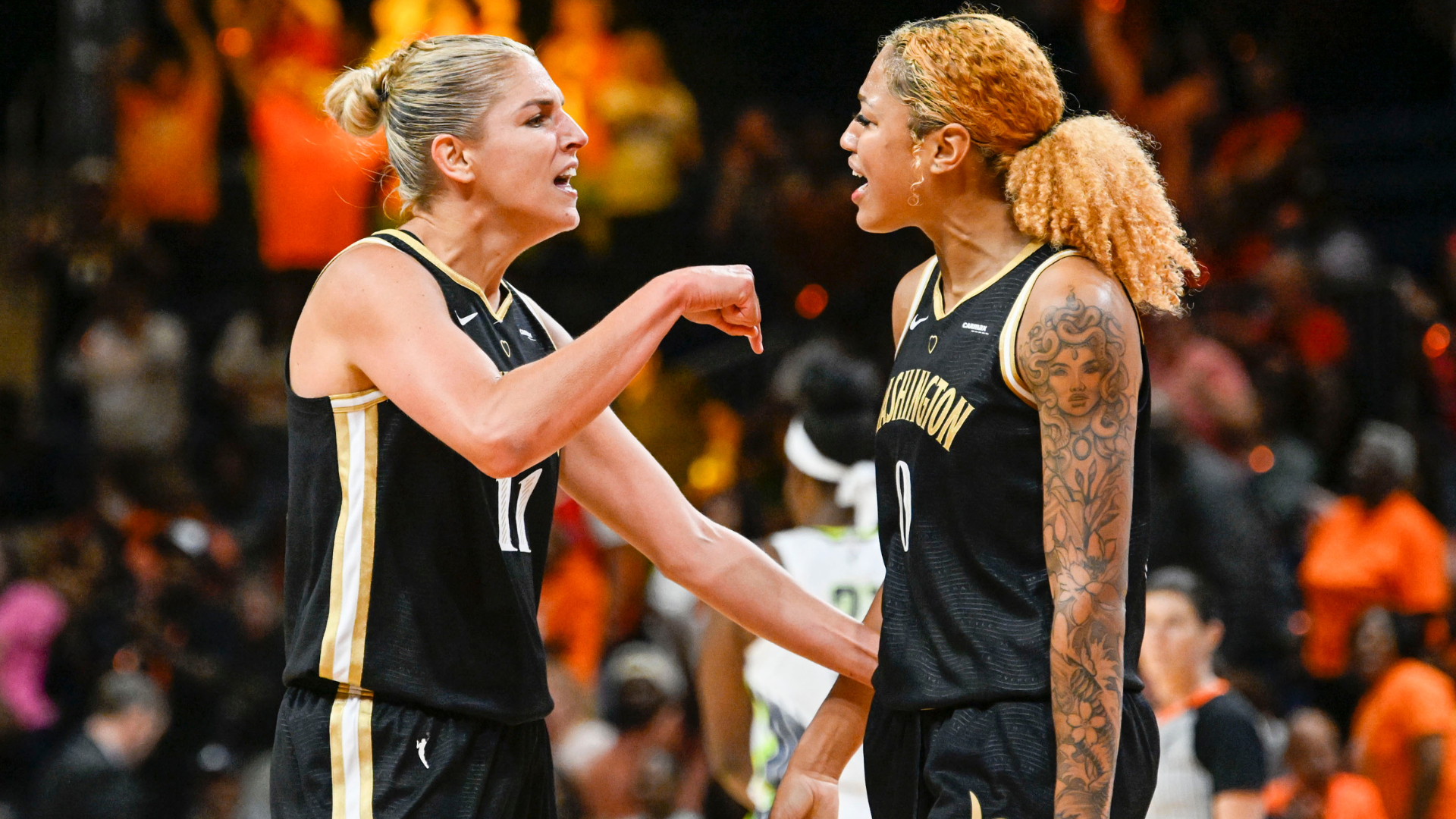
NEW YORK: The Women's National Basketball Association (WNBA) is battling a growing storm of racism and insidious abuse directed at its athletes, forcing a critical dialogue between the league and its players' union to address what has been described as "racist, hateful and abusive messages."
Recent incidents, some widely publicised, have brought the issue to a head, with players expressing deep concern over the vitriolic nature of the attacks. The WNBA, historically a progressive and inclusive league, now finds itself at a pivotal moment, grappling with how to protect its stars from online and real-world harassment.
Players Demand Action Amid Escalating Tensions
The WNBA Players Association (WNBPA) has been vocal in its condemnation of the abuse, with players like Nneka Ogwumike, a prominent figure in the league, underscoring the urgency of the situation. "This has never been a league that wants to propagate narratives centred around racism, sexism, homophobia, discrimination," Ogwumike stated, as reported by CBS Sports NY. Her comments highlight a collective sentiment within the league that such behaviour is anathema to its core values and mission.
The discussions between the league and the WNBPA are understood to be comprehensive, covering strategies to identify perpetrators, enhance online safety protocols, and provide robust support mechanisms for affected players. While specifics of the agreed-upon actions remain under wraps, the imperative for a unified and forceful response is clear. The league is under pressure to not only condemn the abuse but also to implement tangible measures that ensure player welfare and uphold the integrity of the sport.
The Unseen Toll of Online Harassment
The nature of the abuse often transcends typical fan criticism, delving into deeply personal and offensive territory. Players, many of whom are women of colour, have reported receiving messages laced with racial slurs, homophobic taunts, and sexist remarks. This barrage of negativity takes a significant mental and emotional toll, distracting from their athletic performance and undermining their sense of safety and belonging within the sporting community.
The widespread reach of social media platforms exacerbates the problem, allowing anonymous individuals to propagate hateful messages with relative impunity. While social media companies have policies against harassment, their enforcement can be inconsistent, leaving victims feeling exposed and unsupported. The WNBA's efforts are expected to include collaboration with these platforms to improve monitoring and accountability.
Protecting the League's Progressive Legacy
The WNBA has long been celebrated for its commitment to social justice and equality, often serving as a platform for athletes to advocate for causes beyond the basketball court. This progressive stance, however, also makes its players targets for those who oppose such ideals. The current wave of abuse threatens to tarnish this legacy and deter future generations of athletes who seek a supportive and respectful environment.
Industry analysts estimate that the financial impact of such controversies, though difficult to quantify directly, could affect sponsorships and viewership if left unaddressed. A league renowned for its values must be seen upholding them vigorously, otherwise, it risks alienating its fan base and potential commercial partners.
A Broader Battle for Respect
The WNBA's plight is not isolated; it mirrors a broader societal struggle against online harassment and discrimination that transcends sports. However, due to its prominent platform and diverse athlete roster, the league finds itself at the forefront of this battle. The actions taken by the WNBA in the coming months will set a precedent, not just for professional basketball but potentially for other sporting codes grappling with similar issues.
The outcome of these discussions and the subsequent implementation of protective measures will be closely watched. The league's ability to create a safe and inclusive environment for its players, free from prejudice and abuse, is vital for its continued growth and its reputation as a beacon of progress in professional sport.