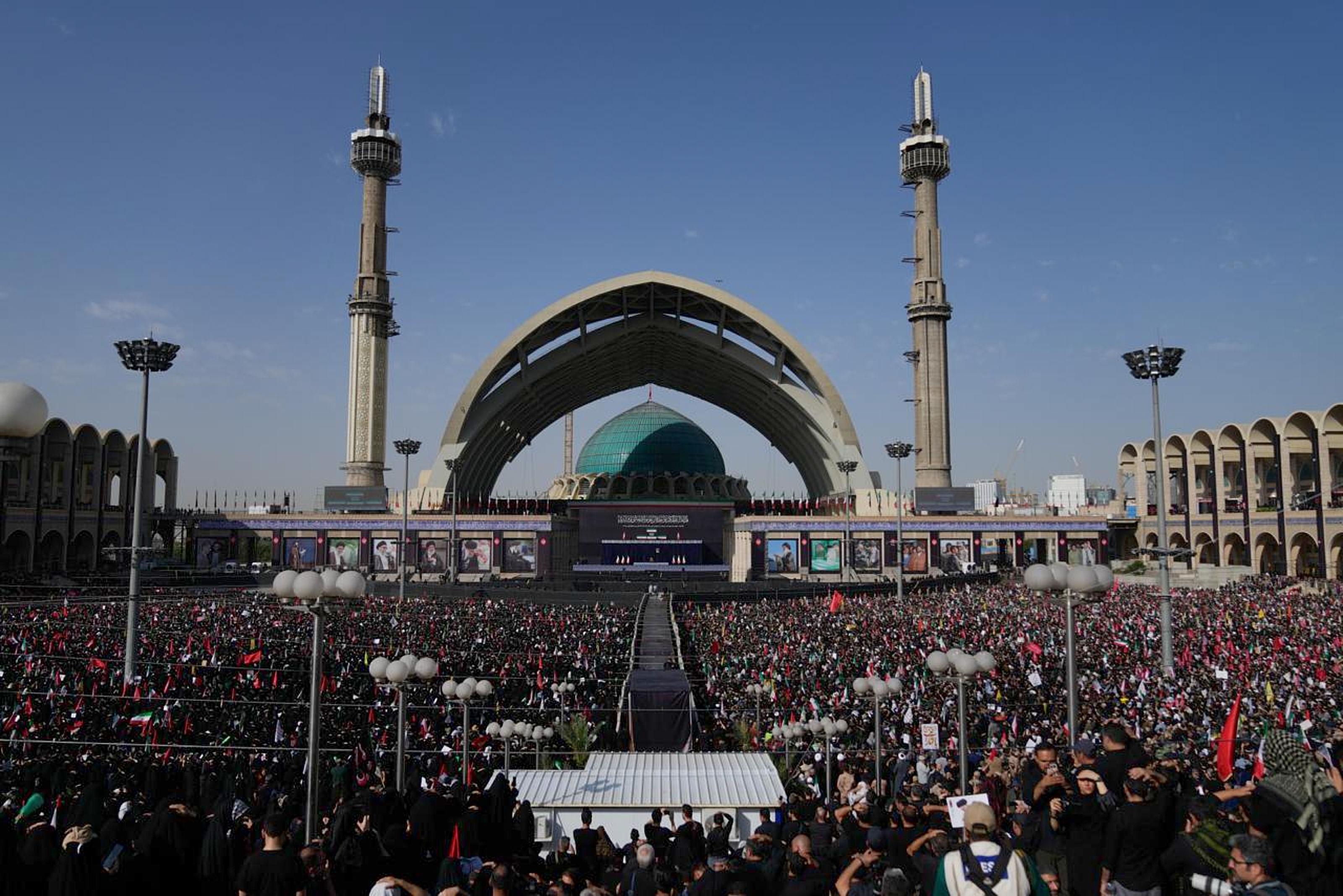
The capital has ground to a halt under the sheer weight of numbers, with state television broadcasting aerial footage showing endless rivers of people filling major thoroughfares and squares. The scenes of devotion and grief for the 85-year-old leader, who died overnight after a long illness, underscore the profound impact he had on the Islamic Republic over more than three decades at its helm.
His body will lie in state at Tehran's vast Grand Mosalla complex until Monday, allowing an untold number of mourners to pay their final respects. The ceremonies officially began with prayers led by Khamenei's successor, interim Supreme Leader Ayatollah Ebrahim Raisi, a somber and deeply symbolic moment broadcast live across the nation.
A Nation United in Grief
The scale of the public outpouring is remarkable, even for a country accustomed to elaborate state funerals. From early morning, metro trains were overwhelmed, and main roads were closed to accommodate the human tide. Many businesses and government offices remained shut, reflecting the public holiday declared in honour of the deceased leader. Flags flew at half-mast, and black banners adorned streets, mosques, and public buildings throughout the country, signaling a period of national mourning that is expected to last for several days.
Analysts suggest the demonstrations of unity and deference are crucial for the regime, particularly in a period of transition. The meticulous planning of the funeral arrangements, including the extensive procession route, highlights the authorities' desire to project an image of stability and continuity in the wake of Khamenei’s death, a leader who had been a constant force in Iranian politics since 1989.
The Extensive Journey to Rest
Following the ceremonies in Tehran, Ayatollah Khamenei’s coffin will embark on an extraordinary journey, transcending national borders. BBC World reported that the revered leader’s remains are slated to travel across various Iranian provinces, allowing more citizens to participate in the mourning rituals. Key cities like Mashhad, Qom, and Isfahan are expected to host further public gatherings, drawing millions more to pay their respects.
The most significant leg of the procession will see the Ayatollah’s body transported into neighbouring Iraq. This unprecedented move underscores Khamenei's stature as a spiritual leader extending beyond Iran’s borders, particularly within the Shiite Muslim world. His final resting place is expected to be in Najaf, one of the holiest cities in Shiite Islam, home to the shrine of Imam Ali, a central figure in Shiite theology. This intricate itinerary, spanning potentially thousands of kilometres, is a logistical marvel and a testament to the profound reverence held for the departed leader.
Global Implications and Regional Stability
Khamenei’s death comes at a fraught time for the Middle East, with ongoing geopolitical tensions and the enduring nuclear standoff. His successor, Ayatollah Ebrahim Raisi, was swiftly appointed by the Assembly of Experts, an 88-member clerical body. Raisi, previously president, is a known hardliner who has aligned closely with Khamenei's conservative policies.
International observers are keenly watching the transition, assessing its potential impact on Iran's foreign policy, particularly its relations with the West and its regional rivals. While a swift and orderly succession aims to project stability, the coming months will likely test the new leadership's ability to maintain unity and navigate complex domestic and international challenges. The profound public display of grief, however, sends a strong message of solidarity from within the Islamic Republic, albeit one that foreign governments will dissect for underlying political currents.