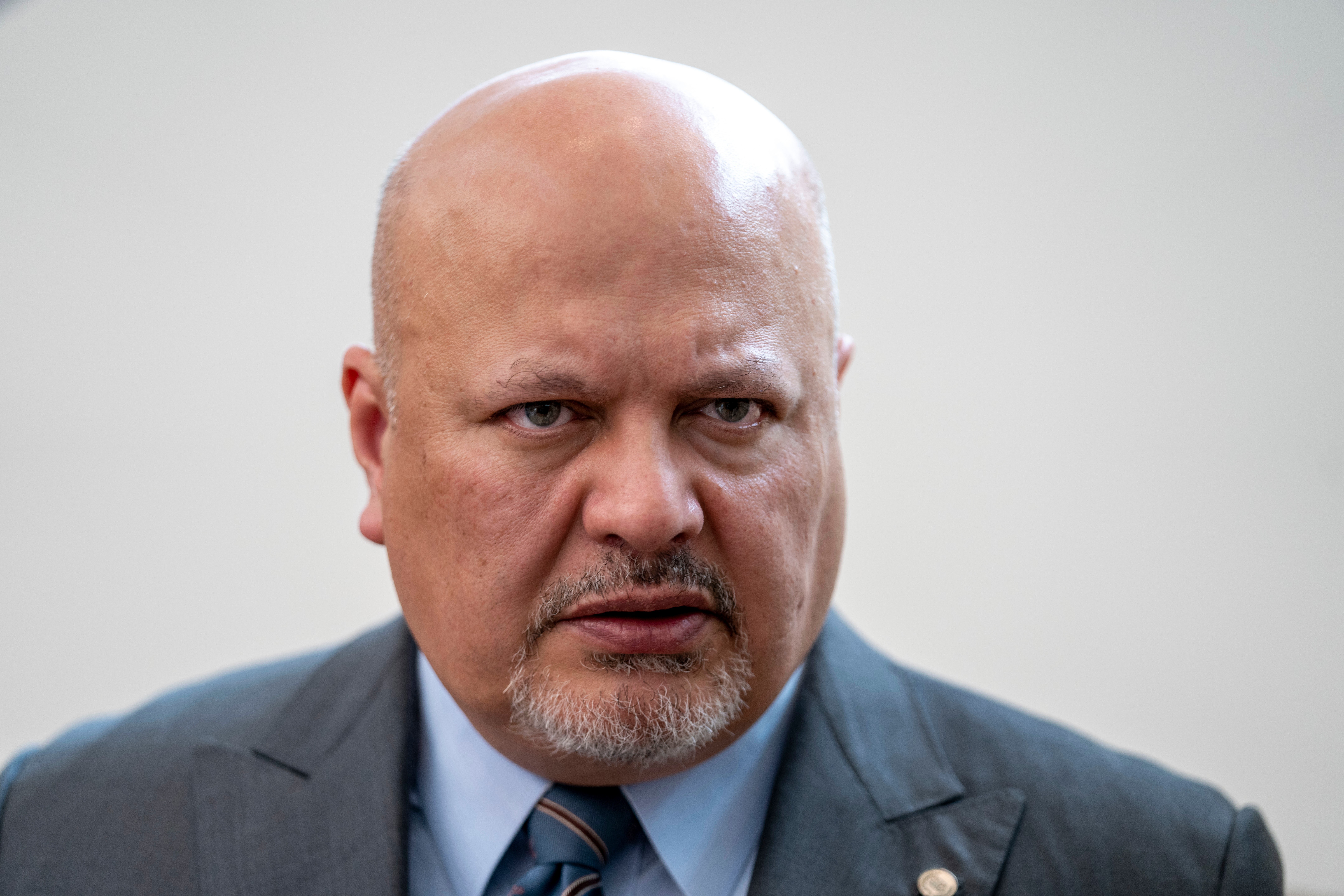
The Hague: The International Criminal Court (ICC) is teetering on the brink of an existential crisis following an extraordinary vote by member nations on Friday to remove its chief prosecutor, Karim Khan. The contentious decision has been met with fierce international debate and an unequivocal promise from the Trump administration to “dismantle” the institution entirely.
Unprecedented Ouster Rocks Global Justice
The vote, which NPR World reported as having taken place on Friday, marks a stunning and unprecedented intervention into the independent functions of the ICC. Karim Khan, a respected British barrister who took office in 2021, had been leading high-profile investigations into alleged war crimes and crimes against humanity, including contentious probes into actions by a number of powerful nations.
While the precise reasons for the member states' decision to unseat Khan remain opaque, sources close to the court suggest a growing dissatisfaction with the pace and direction of certain investigations, as well as political pressures related to various geopolitical conflicts. Analysts are scrambling to understand the long-term implications of this move, with many expressing deep concerns about the erosion of the court's independence and its ability to dispense impartial justice.
US Vows to “Dismantle” the Court
Adding further fuel to the fire, the Trump administration in Washington has seized upon the turmoil, vowing to do “whatever it can to dismantle the court.” This rhetoric aligns with a long-standing position held by the United States, which has never ratified the Rome Statute, the treaty that established the ICC. US officials have historically voiced concerns about the court’s legitimacy and potential jurisdiction over American citizens and military personnel.
While previous US administrations have taken a more nuanced approach, occasionally engaging with the ICC on an ad-hoc basis, the current administration’s outright threat to dismantle the institution represents a significant escalation. Such a move would undoubtedly have profound consequences for international criminal justice, potentially undermining efforts to hold perpetrators of the world’s most heinous crimes accountable.
Australian Position and Financial Implications
Australia, as a signatory to the Rome Statute and a long-standing supporter of international law, will be watching these developments with considerable interest. The federal government’s Department of Foreign Affairs and Trade (DFAT) has yet to issue an official statement regarding the vote or the US threats. Historically, Australia has contributed financially to the ICC, with contributions often running into hundreds of thousands of Australian dollars annually, reflecting its commitment to global justice mechanisms.
Any significant weakening or dismantling of the ICC could force Australia to reconsider its regional and international justice strategies. Without a robust international body, the burden of prosecuting complex international crimes could fall more heavily on national jurisdictions, a task for which many may be ill-equipped. The crisis also raises questions about the future of accountability for atrocities committed in regions of key strategic interest to Australia.
A Future of Uncertainty for Global Justice
The dual blows of the chief prosecutor’s removal and the aggressive stance from the United States have cast a long shadow over the future of the International Criminal Court. Legal scholars and human rights advocates worldwide are lamenting what they see as a dangerous precedent, potentially signaling a retreat from the principles of universal justice established in the aftermath of World War II.
The coming weeks and months will be critical in determining whether the ICC can weather this perfect storm of political pressure and internal dissent, or if these events mark the beginning of the end for the world’s only permanent international criminal court.