
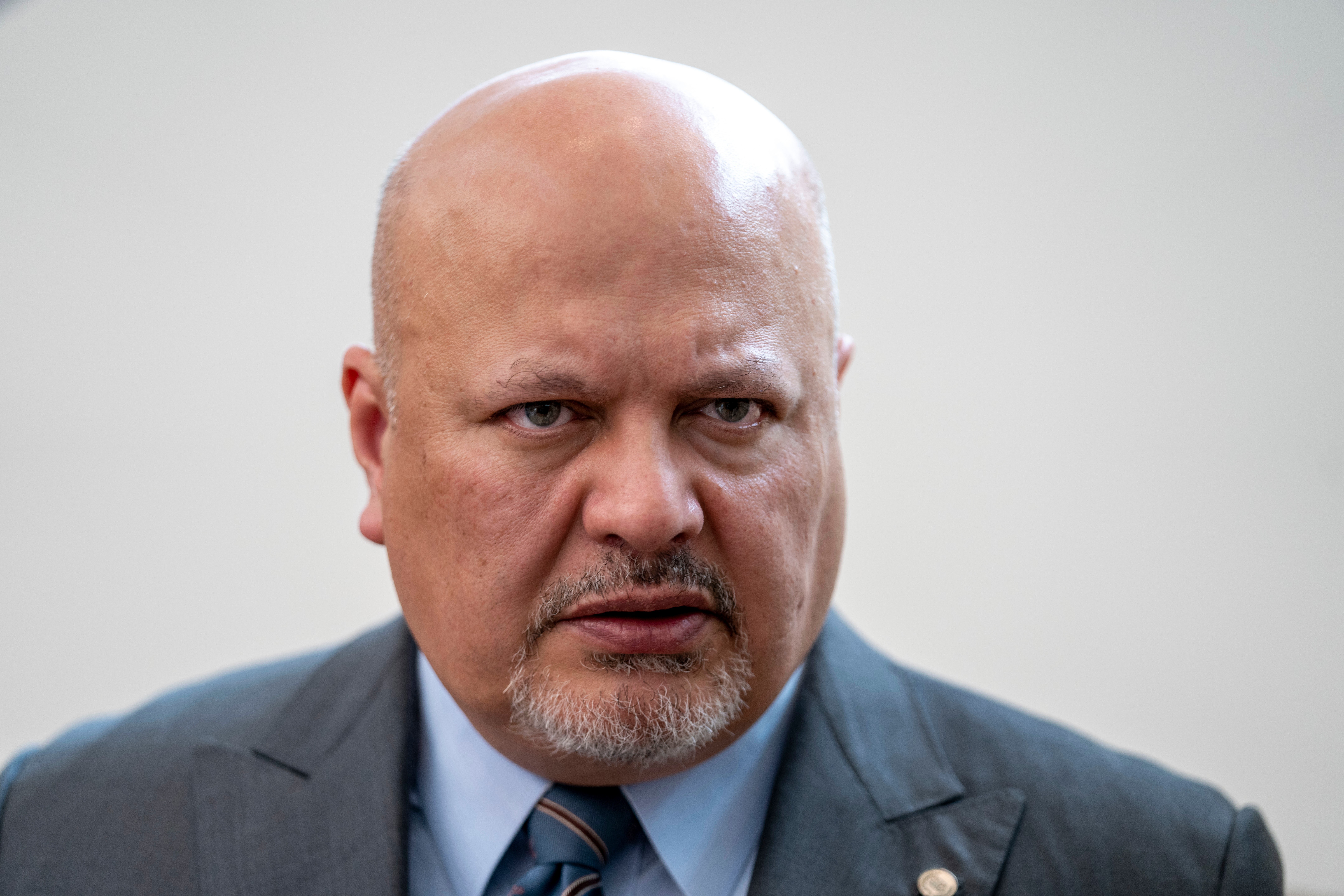
THE HAGUE: The International Criminal Court (ICC) has been plunged into turmoil after its member states voted decisively on Friday to remove chief prosecutor Karim Khan QC, nearly two years after serious allegations of sexual misconduct first surfaced against the prominent jurist. The unprecedented decision, announced by the court's oversight body, marks a seismic shift for the global tribunal tasked with prosecuting the world’s most heinous crimes.
Khan’s abrupt departure, effective immediately, leaves a vacuum at the helm of an institution already grappling with complex geopolitical challenges and ongoing investigations into alleged war crimes and crimes against humanity. The vote underscores the international community's zero-tolerance stance on such grave accusations, particularly within bodies dedicated to upholding justice and accountability.
Allegations and Mounting Pressure
The allegations against Mr. Khan, a British barrister who took office in June 2021, first came to light in late 2022. While the exact nature and specifics of the complaints have remained largely confidential in adherence to due process considerations, they were deemed serious enough to trigger an independent investigation commissioned by the Assembly of States Parties – the ICC's governing body comprising the 124 nations that have ratified the Rome Statute.
NPR World reported on the initial emergence of the allegations, which placed significant scrutiny on Mr. Khan's conduct and raised questions about the integrity of the prosecutor's office. Throughout the investigatory period, calls for transparency and decisive action grew louder from civil society organisations and international legal experts, emphasising the need for the ICC to exemplify the very principles of justice it seeks to enforce globally.
A Stinging Repudiation
The vote to remove Mr. Khan represents a stunning repudiation of his leadership and casts a long shadow over his relatively short tenure. Appointed with high hopes of revitalising the court's profile and tackling its substantial caseload, Khan's term was instead plagued by this persistent scandal. The decision by member states reflects a collective judgment that the integrity and credibility of the prosecutor's office, and by extension the entire court, could no longer be maintained with Mr. Khan at its head given the gravity of the unsubstantiated claims.
For an institution whose moral authority is paramount, the continued presence of a leader facing such accusations became untenable. The internal mechanisms of the ICC, designed to handle misconduct even at its highest levels, have seemingly functioned as intended, demonstrating a commitment to internal accountability that many international bodies struggle to uphold.
Implications for Ongoing Cases
Mr. Khan’s removal raises immediate questions about the fate of several high-profile investigations and prosecutions currently underway. These include delicate and politically charged cases in Ukraine, Darfur, and Palestine, among others. The Chief Prosecutor plays a pivotal role in setting prosecutorial strategy, issuing arrest warrants, and making critical decisions that can have profound diplomatic and humanitarian consequences. A transitional period and the eventual appointment of a new prosecutor will undoubtedly introduce an element of uncertainty and potential delays into these crucial proceedings.
Legal experts suggest that while the court's institutional framework is designed to ensure continuity, a change in leadership at such a critical juncture invariably leads to strategic reviews and could alter the pace or direction of existing investigations. The process for selecting a new chief prosecutor is expected to be swift but thorough, aiming to restore stability and confidence in the court's ability to deliver impartial justice on the world stage. The international community will be keenly watching the ICC’s next steps, as it navigates this unprecedented internal crisis while striving to fulfil its vital global mandate.
